Many homeowners across Hampton Roads wrestle with deciding the right time to replace their heating and cooling systems. Here are 10 indicators that point to the fact that your HVAC system is ready for an overhaul. In most cases, you will find investing in a new, energy-efficient system, will save you money in the end. With a new heating and cooling system, you should not have unexpected repair bills nor increased utility costs. If you find yourself checking yes to these ten items, then it’s time for a new HVAC system.
1. HEATING & COOLING SYSTEM UNIT IS 10 YEARS + OLD
If your heating and cooling system is older than ten years of age, then chances are, it utilizes freon (or R-22) coolant. Owing to its harm to the environment, the manufacturing of R-22 has been retired across the globe. There are options to convert the coolant chemical to a safer agent. However, you should weigh the costs of this repair in addition to others on the horizon of an aging system. If your HVAC system is 10 years or older, you may be saying, “it’s time.”
2. BLOWING WARM AIR OR NOT BLOWING COOL AIR
When the temperatures warm up from Virginia Beach to Williamsburg homeowners will be clicking on their air conditioners. Your heating and cooling system has one purpose in life – to keep your home comfortable. Cool in the hot summer months and warm in the cold winter months. If you run your air conditioner and find that warm air or no cool air is blowing out, then you know you have a problem. Your HVAC system may have an issue with the compressor. Another reason could be an issue with refrigerant. Refrigerant may be leaking or low. Depending on the age of your HVAC system, the refrigerant cost may be more expensive than investing in a new cost-efficient system especially if your system uses the now-retired R-22 coolant.
3. POOR OR WEAK AIRFLOW
If you turn your system’s air conditioner on for the first time this spring and notice that the airflow from the AC return vents is barely pushing out cool air, then your system may have a problem. The issue could be as small as a clogged air filter (air filters require regular replacements). Lack of airflow could be an indicator of a broken motor, blower fan, or an even more serious problem. The bottom line, if your HVAC is not performing at its optimum level then greater energy bills are on their way. A cooling system running harder than it should to meet average output will be more taxing on the unit (on a track for greater repair bills) and will cost more in overexerted utility bills.
4. LOUD OR UNUSUAL NOISES
It is normal for a heating and cooling unit to make low-level sounds as it starts up and shuts down. However, if you are hearing uncommon noises – loud bangs and thuds, grinding, grating, and whistling – then your HVAC system is not well. If your system makes a buzzing or rattling sound, your heating and cooling system may have a loose part. No matter how you describe the noise, if it is uncommon to your system – then it requires attention. Call in a Smith & Keene expert technician to give your system an evaluation to determine the extent of the repair required.
5. HUMIDITY IN THE HOME
An air conditioning system should be equipped to keep moisture levels under control. If you notice that the inside of your home is just as humid as the weather outdoors, then your system needs a recalibration. HVAC systems should naturally be pulling humidity out of your home. If they are not doing this job, then other issues could be on the horizon.
6. FOUL ODORS
If you notice foul smells coming from your HVAC system not only is it annoying, it could be an indicator of a greater problem with your unit. Musty smells from your air conditioner vents could be an indicator of mold or mildew growing in the ventilation ductwork. A professional duct-cleaning could remove the microbial causing the odor. Worse odors, such as burning metal or melting plastic, are signs of a serious HVAC malfunction. These smells could indicate burned-out wire installation or motor. Turn your AC unit off immediately and call for a professional to evaluate the extent of repair required.
7. LEAKS
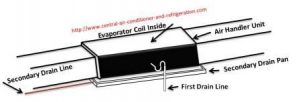
While minor condensation around your cooling system is expected, heavy drainage or leaks are signals of an issue with your HVAC. A drainage tube is the element of your HVAC that draws condensation away from your cooling system and outside of your home. If the condensation drain is clogged, then your system’s condensation drip pan may overflow causing water damage to ceilings or walls (depending on the placement of your AC system). Spotting a leak could also indicate that there is an issue with your refrigerant. Refrigerants are the chemicals used to maintain that your system does not overheat. It also keeps the air in your home cool. If the refrigerant is leaking in your system, then your system will not have sufficient coolant, and overheating could occur.
8. FREQUENT OR SHORT CYCLING
It is normal for an HVAC system to flip on or off in keeping your home at a comfortable temperature. However, it is not normal for air conditioners to short-cycle. Short-cycling is when your HVAC turns off before a cycle is completed. While one cause of short-cycling could be that your HVAC is too large for your home, another cause will lead you down the road of repairs. Short cycling is an indicator that your system is running harder than it should because of an issue. Whether it is a simple clogged air filter, or refill on your refrigerant, or it could be that your HVAC compressor is failing. Regardless of the cause, short cycling is a reason to call in a heating and cooling expert.
9. HIGH OR RISING ENERGY BILLS
If your utility bill for your HVAC suddenly spikes and is not in line with the temperatures outside, it could be an indicator that your system is working harder than it should. A heating and cooling system that is overworked means it is not running efficiently. The less efficient your HVAC system, the higher the utility bill. Additionally, if your cooling system is constantly running overtime then more repairs could be in the near future. Take steps to have your system evaluated by a professional to determine the cause of your system running above its means. If your system requires hefty repairs you may be saying “it’s time” to invest in a new, more energy-efficient system to lower utility bills.
10. FREQUENT REPAIR BILLS
Every family has a tipping point for major repair bills. Whether it is a vehicle, a major appliance, or your heating and cooling system, there comes a time when the cost of a repair outweighs the investment of a replacement. If you are frequently sinking money repairing an aged HVAC unit, then a new more energy-efficient system could be your best bet. If it’s time for a new unit for your home’s HVAC, contact the experts at Smith & Keene to evaluate your out-of-date system and guide you in the most efficient heating and cooling system for your home.
CALL THE EXPERTS
If your home’s HVAC has one or more of these indicators, then chances are a new system is in your future. Be proactive! Don’t wait for mounting repair bills or until your unit completely breaks. Contact us to schedule one of our expert HVAC technicians to evaluate your existing cooling unit. If repairing your system is the right route, our team can handle it. If it’s time to get a new unit, our team is specially trained to guide you in selecting the ideal HVAC unit for your home. Don’t be afraid to say “It’s Time” and invest in a new heating and cooling system for your family.
HVAC is a year-round necessity; these systems help us keep warm in the winter and cool during the summer. With continuous usage such as this, an air conditioner can be under plenty of strain, and it can eventually break down. To prevent this from happening, it is good to perform routine HVAC maintenance and catch a problem before it has occurred.
Moreover, apart from HVAC system repairs, completely replacing an air conditioner can result in even more costs. It is thus imperative to adopt the essential tips for preventing costly HVAC repairs. The sooner you realize that there is a problem, or the more checks you deploy to avoid a problem from occurring in the first place, the lower will be your HVAC maintenance costs.
An HVAC system is like a car – it needs proper care and maintenance to function correctly and extend its lifespan. A properly working HVAC system is one that will keep your home snug or cool for several years to come. But the pre-requisite for this longevity is HVAC maintenance, which is essential.
There are multiple benefits for keeping your HVAC system in top-notch condition:
1. Maintenance Can Lower Utility Bills
Reducing utility bills is one of the main reasons households should well maintain their HVAC units. An HVAC unit operating efficiently, plus a home that is correctly insulated, will result in less money spent on electricity, heating, and cooling costs. HVAC maintenance is also essential to prevent the need for major repairs or complete replacements.
2. Ensure Healthy Air With Maintenance
An adequately repaired HVAC unit will not only keep a home cozy or fresh, but it will limit problems with air quality. Cleaner filters and coils equate to better breathing for an entire household. Unmaintained HVAC units are a magnet for dirt, mold, bacteria, and many other pathogens, all causing or worsening respiratory problems for those living in the home.
The better you maintain your HVAC unit, the longer that unit will be able to perform. Considering the astronomical amounts people spend on installing HVAC units, it makes sense to want to keep that unit operating in tip-top shape for many years.
4. Improve Efficiency With HVAC Maintenance
It’s clear that a more efficient HVAC system will cost less to run. Dirty or unmaintained units require twenty percent more energy to generate the same cooling or heating level as a perfectly maintained AC unit.
5. Fewer Emergency Repairs
Sadly, it’s a fact that HVAC units will require emergency repairs from time to time. Well-maintained units are less likely to breakdown during months of sustained use, namely the summer months from June through September and the colder winter months from December to March. Keeping your AC unit up to date with regular inspections and maintenance will remove the worry that your HVAC will break down during the months you need it most and save you from HVAC maintenance costs in the future.
Costs of Replacing HVAC Units in the USA
Households who neglect to adhere to monthly HVAC maintenance will see a higher probability that the system will fail. In this case, you will need to replace the furnace, air conditioner, or heat pump.
If this happens, you will need to cough up anywhere between $8,000 to $15,000+ should you replace your damaged units. While this price can seem steep for many homeowners, the actual cost is dependent on:
The size of the units
The efficiency levels of the units
The features/technology you choose
The contractor chosen for the installation
Furnaces typically last much longer than AC units, meaning that if a household initially had these two units installed simultaneously and the AC is failing, likely, you don’t need to renew the furnace for another five or more years.
The best way to consider this is that the AC and furnace are like conjoined twins; they each have their separate compartments, yet both utilize the indoor units (blower motor).
Thus, if households spend additional funds on upgrading their existing AC yet leave the furnace and blower motor as they are, instantly, you are wasting money since the AC is really only half-upgraded and won’t work as efficiently as it’s originally designed to do.
The tip here is that if you are required to upgrade to an AC unit with a SEER rating over 16, it is best to update the furnace simultaneously.
Good to know:
SEER (Seasonal Energy Efficiency Rating) is a rating from 13 to 21+ that measures an AC unit’s efficiency. The higher the score, the more efficient an AC unit is at cooling your home and reducing your energy bills.
AFUE (Annual Fuel Utilization Efficiency) is a percentage ranging from 80% to 100% that measures a furnace’s efficiency. The increase in the percentage number equates to how efficient the furnace works and reduces your energy bills.
6 Must-Know Tips to Prevent Costly HVAC Repairs
With details on why HVAC preventative maintenance is essential and how it can affect your household, let us look at the six crucial steps you need to take regularly to ensure the proper functioning of your air conditioner.
1. Clean the Condenser or Heat Pump
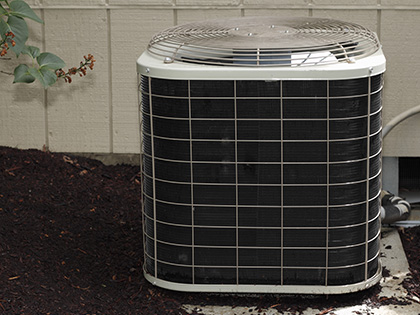
Outdoor air conditioners and heat pumps can get notably dirty, causing the system to work harder to create the necessary cold and warm air you want in your home.
Cleaning condensers and heat pumps reduce the likelihood of damage to any internal components. Households must ensure that there is no debris on the top and sides of their outdoor air-conditioning pumps and units.
Use your garden hose on the fins, making sure that you get in-between the crevices to get all the gunk out.
Also, double-check that your unit is level. If lopsided, the refrigerants that are so important in helping your A/C work well, will be disjointed. Your condenser and compressor could be at an increased risk of breaking down as a result.
2. Check the Filter
One of the most apparent reasons for air conditioner repair is a dirty air filter. Changing the filter is one of the more straightforward ways of doing HVAC maintenance to improve the air conditioner’s efficiency, reduce energy costs of heating the home, and decrease the likelihood of needing repairs.
Check your filter monthly to ensure it isn’t dirty or clogged. If it is, it’s a good idea to give it a good wash and run air over it. As for changing the filter, about once every three months should suffice. If it looks dirtier than usual, then replace it at once, especially if your households have pets.
The AC filter can freeze if it is too dirty and then thaw, causing water damage.
If you have a reusable filter, clean it gently with a soft cloth. After that, add some mild soap and water.
If it’s not reusable, head to the store and buy a new one. If you or your family have allergies, it’s good to get a HEPA or hypoallergenic filter. These filters will help the most purify the air.
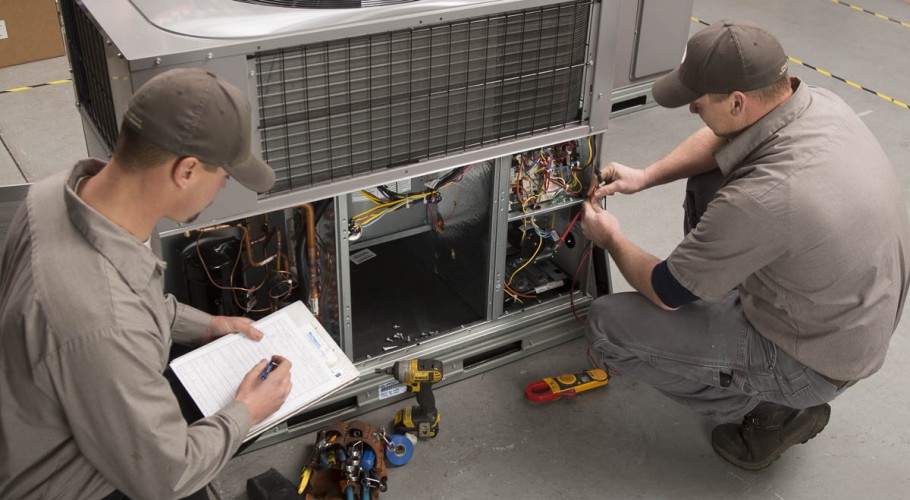
3. Regular or Annual Professional Check-Ups
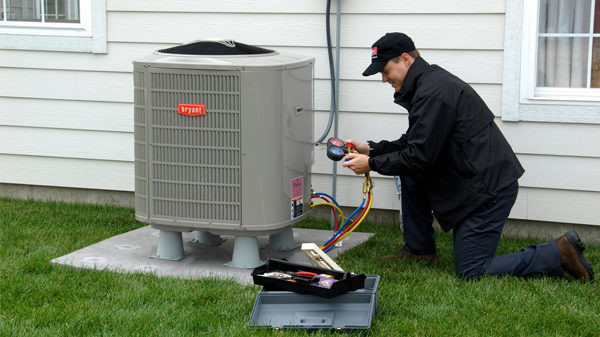
A check-up comprises an on-site visit from an HVAC technician who will examine the HVAC system and ensure it operates at optimum performance. Depending on the technician involved, the inspection may include doing any of the following:
Ensuring the fan is working correctly
Cleaning the coils
Checking (or possibly changing) the air filter
Cleaning drain lines
Checking the refrigerant level
Checking for leaks in the heat exchanger
A check-up can be a one-time event or provided yearly as part of regularly scheduled maintenance.
A professional check-up only needs to be completed once a year and aids households to ensure that their HVAC does not break down when they need it most during the high summer and winter months.
Getting your HVAC serviced means that all the components will be cleaned and inspected, and working at their optimal best, preventing costly energy bills, not to mention expensive, unexpected repair bills.
4. Clean the Drain Lines
An air conditioner, along with cooling, also takes out the moisture from the air. This moisture then accumulates within the drain lines of the air conditioner and is directed outside. Over time, with the accumulation of dirt and dust, the drain lines can become clogged and even be a home for algae and mold.
It is thus a good idea to periodically clean the drain line. Take off the air conditioner’s outer cover and clean the drain line with a clean piece of cloth. Moreover, you can rinse it with a mixture of water and vinegar, removing any mold which might have formed.
5. Keeping the Outdoor Unit Clear
The outdoor unit is continuously exposed to weather and other environmental factors such as dirt and debris. Furthermore, growth and vegetation can cover the outdoor unit over time and prevent the exhaust air from being ejected effectively. Sometimes, the branches and leaves can even get inside the outdoor unit and interfere with the fan’s smooth functioning.
It makes sense to monitor the area around the outdoor unit, and observe any bushes or leaves that might need trimming. This is a DIY job, which does not take up a lot of time, but can save you significant expenses later on.
6. Get a Smart AC Controller
By making your HVAC system smart, you can access additional features that can help with preventive maintenance. For instance, smart air conditioners or smart AC controllers allow you to monitor your usage history and receive alerts every time your AC may need a filter status cleaning.
Some thermostats can even detect when your AC is not performing optimally or if there is an issue with indoor air quality. These are significant signs of a defective HVAC system.
With other modes such as scheduling or geofencing, you can activate your HVAC systems depending on your set-time or location. This ensures your HVAC system performs efficiently, does not run unnecessarily, nor wastes energy.
Final Thoughts on Preventing HVAC Maintenance Costs
For many obvious reasons, HVAC preventative maintenance is essential. Scheduling routine examinations and following through on correcting minor problems will ensure you enjoy the luxury of a system without the concern of it failing. A well-maintained unit will have less severe problems, meaning less hassle and unnecessary costs.
Don’t wait until winter storms or sweaty summers hit to ensure that your home HVAC system is in good working order. A little effort now will prevent a significant hassle amid a mid-January snowstorm or a Fourth of July sweltering day. Moreover, with HVAC maintenance costs going through the roof, it is best to avoid them.
To lessen the burden and guarantee everything is adequately maintained, consider hiring skilled technicians to handle your HVAC inspection and maintenance. Furthermore, consider backing this up with regular cleaning and smart devices to reduce the burden on your system and save thousands of dollars in the process.
2016 is well underway! Whether you’ve kept up with your health, fitness and financial goals from the beginning of the year or not, make sure you take steps to care of your HVAC system! Take a look at some HVAC changes that are sure to improve the comfort and efficiency of your home!
Schedule annual maintenance.
HVAC systems require regular maintenance to improve their performance and efficiency. So remember to schedule your AC tune-up in the spring and furnace tune-up in the fall to help avoid performance problems and breakdowns over the course of the year.
Change your air filter regularly.
Regularly changing your air filter is the most important maintenance task you can perform to improve air quality, prevent breakdowns, and enhance the efficiency of your HVAC system. Remember to check and/or change your filter every month— if it looks dirty and clogged, it’s time to be replaced.
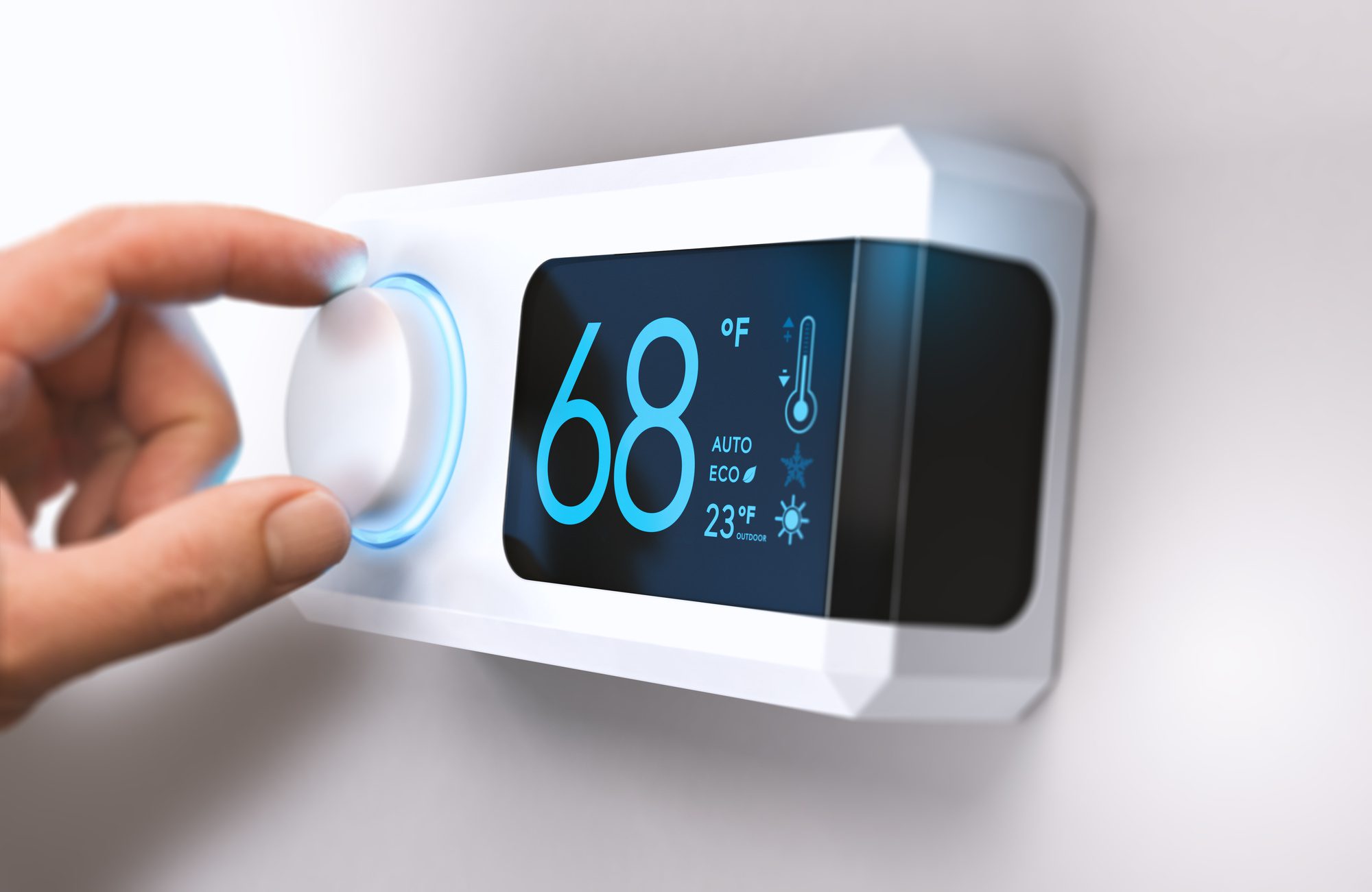
Use your programmable thermostat.
If you aren’t making the most of your programmable thermostat, then make it a priority this year. Programmable thermostats lessen the demand for heating and cooling, easing the load on your HVAC system. You can save up to 15% a year on your heating bill by turning back your programmable thermostat 10° to 15° for 8 hours a day.
Have your ductwork inspected?
Everyday living habits generate dust, dander and other air pollutants that are pulled into the HVAC system and re-circulated into our indoor air. So if you haven’t done so in the past 5 years, then schedule a professional air-duct inspection with your HVAC technician to remove the debris your vacuum cleaner hose can’t reach.
Get a home energy audit.
A home energy audit is a great way to find out how much energy you’re using as well as the efficiency of your home’s HVAC system. Your Comfort Advisor will evaluate how well your HVAC equipment heats and cools your home and recommend any changes needed in your attic insulation or ventilation.
Consider system upgrades.
Replacing your old HVAC System is a big investment, but it’s also the biggest step you can take to improve your home’s comfort, air quality, and energy efficiency. You can use this handy Energy Star checklist detailing tell-tale signs that it is time to replace your system with an Energy Star-approved system.
Commercial buildings account for more than 35 percent of the total energy consumption. In most of those structures, heating, ventilation and air conditioning systems consume more than 30 percent of the total energy use.
Building owners and facility managers are challenged with getting financial returns from their investments while providing a building that is energy efficient.
As HVAC systems have become complex, non-linear and dynamic, facility managers are increasingly using building management systems to collect data about the performance of the building, as well as energy consumption by individual equipment such as HVAC systems.
Below, SenseWare offers five ways visibility into such data can help drive maximum HVAC efficiency:
1. Comfort of indoor environment
The importance of an HVAC system in commercial and residential buildings cannot be overemphasized.
The fact remains that fresh air is good for the body, and in commercial buildings, it helps improve productivity. A good ventilation system helps to reduce the number of pollutants, bacteria and odor in a facility.
Data analytics of HVAC systems helps in regulating the temperature of a building and lowering humidity by ensuring that moisture in a building is kept under control. Good ventilation systems remove breeding grounds for dust mites, which contribute to causing eczema.
The American Society of Heating, Refrigeration and Air Conditioning
Engineers (ASHRAE) conducted research that led to Standard 55: Thermal
Environmental Conditions for Human Occupancy. Standard 55 describes how
to assess comfort from specific measurements and predict when most people
will be comfortable.
Data analytics of the HVAC system provides real-time data that helps in maintaining this standard and in preventing any setbacks.
2. Energy efficiency
Operating a HVAC system at optimum efficiency is a challenging endeavor. The number of set points, levels and feedbacks of boilers, chillers, pumps, fans, air delivery components and more can cause costly inefficiencies. Add to that the fact that weather variables affect the heat transfers in a building and increase loads on the HVAC.
Data analytics will provide visibility into your HVAC system with sufficient accuracy that will help you take corrective action and reduce the energy demands and peak load distribution of your HVAC systems.
Facilities Net states that HVAC system maintenance in commercial buildings is responsible for saving more than 40 percent of energy, therefore it is essential to utilize data analytics in understanding the effects of malfunctioning HVAC systems on energy use, energy consumption and energy demand.
3. Improve indoor air quality
According to the Environmental Protection Agency (EPA), poor indoor air quality is among the top factors of environmental risk. Pollutants in the air can aggravate allergies and asthma in some people and cause dizziness and headaches in others.
Air quality depends on various factors like people entering the facility, use of other equipment and presence of electronics. With the proliferation of cheap sensors, air quality data is now being accurately measured.
This visibility into the data can help adjust your HVAC system to improve the air quality. You can develop a maintenance plan that includes:
Inspection, serving, and cleaning
Replacement of parts
Documentation of procedures
Calibration of components control system
4. Preventive maintenance
HVAC systems often operate at suboptimal levels at least 40 percent of the time in buildings. This is due to the complexity of the buildings, as well as many moving parts like fans, pumps, air-conditioners, ventilators and dampeners.
Data analytics uncovers the following problems of your HVAC system:
Additional runtime
Poor control settings and programming errors
Stuck dampers causing excess outside air intake
Valve leakage leading to uncontrolled supply-air temperatures
Outright equipment failure
5. Actionable insights
Data analytics provide essential insights to help with monitoring, controlling and maintaining your HVAC systems. In the absence of this type of information, facility managers physically perform manual audits that are inefficient and time-consuming.
With the advent of IoT, more sensors are being used in buildings for various equipment. The data analytics out of this ocean of data can help determine the best course of action to take to maximize HVAC efficiency.
You can also analyze the information in various ways to better understand the opportunities it presents. For example, you can look at the normalized data for your building type, square footage, schedule and climate.
You can break down the data to better understand energy consumption based on building occupancy and time, thereby identifying peak demand reduction opportunities.
While some HVAC issues are simply a matter of cleaning coils and filters, many of the 10 most common heating and cooling system problems will develop into much bigger concerns if not serviced early. Most of these can be avoided with regular preventive maintenance calls. It is wise to have your system checked annually to prevent outages during extreme weather.
1) LACK OF MAINTENANCE
Regularly scheduled maintenance by a licensed service contractor is a MUST to keep your system in proper working order. Many of the most common furnace problems can be avoided with proper maintenance by a certified service contractor. You have likely invested thousands of dollars in your home heating system. Why not protect that investment? If you neglect to perform regular maintenance you will most likely experience unexpected costly breakdowns, increased energy cost, poor performance and frustration.
Protect your investment and gain peace of mind by calling Jennings Heating at (330)355-3135 to have a NATE certified technician inspect your HVAC system today.
2) DIRTY FILTERS
Replacing your filter regularly is one of the most important things you can do to extend the life and efficiency of your furnace. If your filter is dirty it will restrict airflow causing your unit to work much harder to circulate air through your home. This puts unnecessary strain on your furnace’s’ blower and will result in comfort issues as well. A dirty filter can also cause the furnace to overheat and shut off on high limit.
3) PILOT OR IGNITION PROBLEMS
Ignition problems can result from a number of causes. A dirty pilot, flame sensor, or burners can cause a pilot outage, short cycling, furnace lockout, or delayed ignition of the burners. It could also be a result of a gas supply problem or just wear and tear of an ignition component that needs replaced like the hot surface ignitor or thermocouple. Either way, it is best to have these problems handled by a trained service technician since this deals with dangerous elements like natural gas and high voltage.
4) THERMOSTAT MALFUNCTIONS
There are many different thermostats, both programmable and non-programmable. Frequently, when a homeowner believes their furnace is not operating properly, it is an issue with the thermostat or how it is set. Referring to your owner’s manual and reviewing the operating instructions may prevent you from paying for a costly or unnecessary service call. Programmable thermostats may have batteries which need replaced periodically. If still malfunctioning, problems can be quickly diagnosed by a service technician.
5) MECHANICAL WEAR AND TEAR
There are a number of mechanical components your heating system relies on. Your units performance can be negatively impacted by normal wear and tear of these components. These include belts and bearings, which may result in overheating, poor heating, or airflow issues. Regular maintenance should include checking for worn or stretched belts and oiling bearings and motors if necessary.
6) UNUSUAL FURNACE NOISES
Some furnace noises are part of normal operation, while others may be a warning or indication of a mechanical problem. A whining or squealing motor can be an indication that the bearings in an inducer motor or blower motor are failing. Replacement of the motor may be required to avoid a furnace failure. Other noises may be caused by airflow issues or dirty burners. Either way, it is best not to ignore these signs as they may be a warning of a dangerous operating condition or could lead to a furnace failure.
7) BLOWN FUSES OR TRIPPED BREAKERS
The most common reason the furnace trips a circuit breaker is that the blower is overworking. If something is blocking airflow to your system, your blower has to work harder to compensate. The most common cause is a dirty air filter. When the air filter is dirty your blower has to work harder to force air through the filter. This increases the blower’s energy consumption and can sometimes trip the circuit breaker. Check your filter and replace it with a clean one before resetting your circuit breaker. If the problem recurs, it is best to contact a professional who can safely determine if the issue is caused by a furnace problem or if the circuit breaker itself may have malfunctioned. Other issues that can make the blower overwork include duct leaks, closed or blocked-off air registers or dirty coils.
8) DIRTY CONDENSER OR EVAPORATOR COILS
Chances are, regular maintenance on your air conditioner has been neglected it isn’t cooling as well at it could be. Dirt and debris can clog the coils of your system, significantly reduce the efficiency and wear it out sooner. You can hose off the outdoor coil after shutting off the power to the condenser. Power can be shut off at the electrical disconnect near the condenser or at the electric panel. The indoor evaporator coil can become dirty, especially if the furnace filters is not changed frequently. A dirty evaporator coil can reduce the efficiency of both your furnace and air conditioner and make your system work harder. Extremely dirty coils will need to be cleaned by a trained service technician.
9) BLOWER RUNS CONTINUOUSLY
There are a few reasons a furnace blower may run continuously. Before calling for service, check the fan switch on the thermostat. The motor will run continuously when the thermostat is set to the fan on position. It often happens that homeowners accidentally switch the fan switch to on.
There is a fan relay in the furnace that turns the blower on when there is a call for heat; if the relay sticks, the blower will not shut off. There are several types of safeties and limits on the furnace. If activated, the circuit board may bring on the furnace to cool it down. If the limit or safety does not reset, the blower will not shut off. A trained service technician can evaluate this problem and offer repair options.
10) WATER LEAKS
Both air conditioners and high efficiency furnaces produce condensate. Drain pipes are employed to ensure proper water drainage. Furnaces can leak water if the drain lines are either clogged or cracked. A homeowner can help keep the drain lines clean by pouring bleach down the drain periodically. Other possible leak sources could be the collector box, heat exchanger or evaporator drain pan. A service technician should be contacted to determine the source of the water leak and repair options.
For more information on any of these common problems or any other HVAC questions you may have, contact the experts .
Mold growth is an all-too-familiar problem for commercial property managers. When overlooked, it can cause discomfort and irritation for the building’s occupants while also compromising indoor air quality. To better control mold in your property–and prevent its development–you’ll need to take a closer look at your HVAC system. A trusted provider of quality central air conditioning, All Weather Heating & Air Conditioning, shares the essentials you need to know here.
The fact is, mold doesn’t just appear out of nowhere–it generally forms under specific conditions. Mold requires water, a food source and the right temperature range. The food source is negligible–your commercial property is chock-full of them, ranging from drywall and carpeting to paper, wood and furnishings. The water comes from the excess moisture caused by relative temperatures that encourage mold development–and these are elements where the HVAC system is involved.
Your HVAC system can have a significant effect on the indoor moisture level of your commercial property. If the system isn’t well-designed or has performance issues, not only will it generate moisture that promotes mold growth, it will also give mold spores a handy mode of transportation throughout the building via the ducts. For this reason, make sure to pay attention to your heating and air conditioning system and take measures that allow it to effectively control mold development. These may include:
Checking the coils and drain pans. The coils dehumidify the air and cause condensate water to drip into the drain pan. When water doesn’t drain properly via the deep seal trap in the pan, however, it builds up and encourages mold to grow. Make sure the drain pan is properly cleaned and sloped to prevent this.
Using ventilation and dehumidification equipment. This helps get rid of excess indoor moisture in your commercial property and eliminate the potential for mold growth. All Weather Heating & Air Conditioning offers a wide range of ventilators and dehumidifiers from top manufacturer Bryant® to meet your needs.
Investing in regular HVAC inspections and tune-ups. Some components of your HVAC system can become wet or develop issues that lead to mold growth. These include outdoor air dampers, ducts and air filters. You’ll be able to catch these problems early on–and deal with them as necessary–by turning to All Weather Heating & Air Conditioning for regular inspections and tune-ups.
1085 sq ft projection and lens test room with Chrosziel Large Format Projectors
New Trioptic Lens Tester
45 truckloads of equipment brought from the former place on Vine St.
This is Otto’s third location. I remember the first storefront at 7531 Sunset Boulevard. Then they move to 870 Vine Street around 1983 with 8 employees.
Otto Nemenz at ONI on Vine Street around 1984.
And now this magnificent facility in Culver City:
Lounge Area and Kitchen at ONI in Culver City.
Otto said, “We certainly didn’t plan it this way, but the place is enormous and we’re lucky to have the latest HVAC system with advanced air filtration. The place is so large that social distancing comes naturally. The prep bays have 23-foot high ceilings. Crews can check out for jobs and remain safe.”
Fritz Heinzle added, “Union and safety committees visited and approved of what they saw. The halls are 12-feet wide. Equipment is returned to the loading dock where it is checked in and sanitized. The vault is fireproof. Prep technicians work with customers in the big, open plan area. Customers sign in, have their temperature checked, receive masks and gloves. We are open for business and are already prepping jobs.”
Prep Floor with 23′ high ceiling
Prep Area in Feature Room with 12′ ceiling.
Instead of fixed camera pedestals and moving lens charts on rails that hang from the ceiling, Otto Nemenz and crew embedded tracks into the floor on which the camera can move. They installed P.A.T. (Pret à Tourner) Focus Charts from MYT Works in New York. The charts have magnetic backings that attach and move on the perfectly perpendicular walls.
“Having the camera move on tracks frees up a lot of space,” Otto explained.
Trioptic ImageMaster Cine Flex and Chrosziel Projector in the Lens Room
The massive Trioptic ImageMaster Cine Flex is similar to the ones installed at ARRI, Signature Prime manufacturing and QC, ARRI Rental, and elsewhere. Essentially, it’s three motorized telescopes that pivot on the center and off-axis along with a “wheel of fortune” to test, align and check lenses, including MTF values. The data is stored in its computer. So, if you change air gaps or mess with elements, the Trioptic tester will let a technician return the lens back to the default factory settings. It also checks for loose elements and anything else conspiring inside, both before and after a job.
The Chrosziel TP7 is the latest Large Format, LED illuminated, 60mm Image Circle Projectors.
The lens test room is 50 feet long, so you can check out far distances as well.
Otto summed it up, “This move has been in the works for a long time. We were running out of space in the Vine Street place. We would love to have you come to visit us. Thanks to all the cinematographers, assistants, crews, directors, and producers for all their years of support. We look forward to working together for many years to come.
Otto’s Signature Series Equipment is manufactured for us in the USA in a state-of-the-art, ISO9001 certified manufacturing facility.
Installation. We use only new, first quality materials in our installations. Our courteous and respectful team of quality craftsmen employ the best practices so that your comfort system provides you with the comfort, efficiency and reliability that you deserve.
ECM technology makes our Premium series almost 24 times less noisy than conventional furnaces.
Otto’s Heating & Cooling is committed to your satisfaction. 100% Guaranteed. Our factory-trained work force is ready — when you need us.