Ottos HVAC Blog The Ultimate Guide to Choosing the Right Marketing Company in Charlotte

The Ultimate Guide to Choosing the Right Marketing Company in Charlotte

Introduction

In today’s fast-paced digital world, effective marketing is crucial for any business looking to thrive. If you’re a business owner in the Queen City, you might be wondering how to find the best marketing strategies to reach your target audience. This is where a marketing company in Charlotte can offer valuable insights and expertise. In this article, we’ll explore what you need to know when choosing the right marketing partner in Charlotte.

Understanding Your Marketing Needs

Before seeking a marketing company in Charlotte, it’s essential to assess your specific marketing needs. Consider what you hope to achieve, whether it’s increasing brand awareness, generating leads, or improving customer engagement. Knowing your goals will help you communicate effectively with potential marketing firms and ensure they align with your vision.

Evaluating Options: Key Features to Look For

When searching for a marketing company in Charlotte, there are several key features to consider:

1. Experience and Expertise

Look for a company with a proven track record of success in various marketing strategies. Their experience in different industries can offer invaluable insights tailored to your specific market.

2. Range of Services

A full-service marketing agency can provide a comprehensive approach to your marketing needs. Services may include SEO, content marketing, social media management, and more. This diversity can help ensure all aspects of your marketing are aligned and working towards the same goals.

3. Understanding Local Market Dynamics

Choosing a marketing company in Charlotte that understands the local market can give you a significant edge. They will be familiar with regional trends, customer behaviors, and competitive landscapes that can affect your marketing strategy.

The Importance of SEO

In the digital age, Search Engine Optimization (SEO) is critical for online visibility. A knowledgeable marketing company will emphasize the importance of SEO in their strategies. If you are looking for quality services, consider connecting with a reliable Charlotte SEO and marketing company in Charlotte that can help your business rank higher in search engine results.

Assessing Results: Metrics that Matter

Finally, it’s vital to understand how to evaluate the results of your marketing campaigns. Work with your chosen marketing company to set clear metrics that will help measure success, such as website traffic, conversion rates, or social media engagement.

Conclusion

Finding the right marketing company in Charlotte can be a game-changer for your business. By understanding your needs and evaluating your options carefully, you can partner with a marketing firm that not only understands the local market but also has the expertise to help you achieve your goals. Whether you’re a startup or an established business, the right marketing strategy is essential for growth.

Related Post

Controlling Mold in Your Commercial Property With Your HVAC SystemControlling Mold in Your Commercial Property With Your HVAC System

Mold growth is an all-too-familiar problem for commercial property managers. When overlooked, it can cause discomfort and irritation for the building’s occupants while also compromising indoor air quality. To better control mold in your property–and prevent its development–you’ll need to take a closer look at your HVAC system. A trusted provider of quality central air conditioning, All Weather Heating & Air Conditioning, shares the essentials you need to know here.

office space with AC on ceiling

Why You Should Keep Tabs on Your Commercial HVAC System

The fact is, mold doesn’t just appear out of nowhere–it generally forms under specific conditions. Mold requires water, a food source and the right temperature range. The food source is negligible–your commercial property is chock-full of them, ranging from drywall and carpeting to paper, wood and furnishings. The water comes from the excess moisture caused by relative temperatures that encourage mold development–and these are elements where the HVAC system is involved.

Your HVAC system can have a significant effect on the indoor moisture level of your commercial property. If the system isn’t well-designed or has performance issues, not only will it generate moisture that promotes mold growth, it will also give mold spores a handy mode of transportation throughout the building via the ducts. For this reason, make sure to pay attention to your heating and air conditioning system and take measures that allow it to effectively control mold development. These may include:

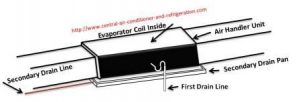
  • Checking the coils and drain pans. The coils dehumidify the air and cause condensate water to drip into the drain pan. When water doesn’t drain properly via the deep seal trap in the pan, however, it builds up and encourages mold to grow. Make sure the drain pan is properly cleaned and sloped to prevent this.

  • Using ventilation and dehumidification equipment. This helps get rid of excess indoor moisture in your commercial property and eliminate the potential for mold growth. All Weather Heating & Air Conditioning offers a wide range of ventilators and dehumidifiers from top manufacturer Bryant® to meet your needs.

  • Investing in regular HVAC inspections and tune-ups. Some components of your HVAC system can become wet or develop issues that lead to mold growth. These include outdoor air dampers, ducts and air filters. You’ll be able to catch these problems early on–and deal with them as necessary–by turning to All Weather Heating & Air Conditioning for regular inspections and tune-ups.

10 SIGNS IT’S TIME TO REPLACE YOUR HVAC SYSTEM10 SIGNS IT’S TIME TO REPLACE YOUR HVAC SYSTEM

Clock on red background

Many homeowners across Hampton Roads wrestle with deciding the right time to replace their heating and cooling systems. Here are 10 indicators that point to the fact that your HVAC system is ready for an overhaul. In most cases, you will find investing in a new, energy-efficient system, will save you money in the end. With a new heating and cooling system, you should not have unexpected repair bills nor increased utility costs. If you find yourself checking yes to these ten items, then it’s time for a new HVAC system.

1. HEATING & COOLING SYSTEM UNIT IS 10 YEARS + OLD

If your heating and cooling system is older than ten years of age, then chances are, it utilizes freon (or R-22) coolant. Owing to its harm to the environment, the manufacturing of R-22 has been retired across the globe. There are options to convert the coolant chemical to a safer agent. However, you should weigh the costs of this repair in addition to others on the horizon of an aging system. If your HVAC system is 10 years or older, you may be saying, “it’s time.”

2. BLOWING WARM AIR OR NOT BLOWING COOL AIR

When the temperatures warm up from Virginia Beach to Williamsburg homeowners will be clicking on their air conditioners. Your heating and cooling system has one purpose in life – to keep your home comfortable. Cool in the hot summer months and warm in the cold winter months. If you run your air conditioner and find that warm air or no cool air is blowing out, then you know you have a problem. Your HVAC system may have an issue with the compressor. Another reason could be an issue with refrigerant. Refrigerant may be leaking or low. Depending on the age of your HVAC system, the refrigerant cost may be more expensive than investing in a new cost-efficient system especially if your system uses the now-retired R-22 coolant.

3. POOR OR WEAK AIRFLOW

If you turn your system’s air conditioner on for the first time this spring and notice that the airflow from the AC return vents is barely pushing out cool air, then your system may have a problem. The issue could be as small as a clogged air filter (air filters require regular replacements). Lack of airflow could be an indicator of a broken motor, blower fan, or an even more serious problem. The bottom line, if your HVAC is not performing at its optimum level then greater energy bills are on their way. A cooling system running harder than it should to meet average output will be more taxing on the unit (on a track for greater repair bills) and will cost more in overexerted utility bills.

Woman on couch sweating

4. LOUD OR UNUSUAL NOISES

It is normal for a heating and cooling unit to make low-level sounds as it starts up and shuts down. However, if you are hearing uncommon noises – loud bangs and thuds, grinding, grating, and whistling – then your HVAC system is not well. If your system makes a buzzing or rattling sound, your heating and cooling system may have a loose part. No matter how you describe the noise, if it is uncommon to your system – then it requires attention. Call in a Smith & Keene expert technician to give your system an evaluation to determine the extent of the repair required.

5. HUMIDITY IN THE HOME

An air conditioning system should be equipped to keep moisture levels under control. If you notice that the inside of your home is just as humid as the weather outdoors, then your system needs a recalibration. HVAC systems should naturally be pulling humidity out of your home. If they are not doing this job, then other issues could be on the horizon.

6. FOUL ODORS

If you notice foul smells coming from your HVAC system not only is it annoying, it could be an indicator of a greater problem with your unit. Musty smells from your air conditioner vents could be an indicator of mold or mildew growing in the ventilation ductwork. A professional duct-cleaning could remove the microbial causing the odor. Worse odors, such as burning metal or melting plastic, are signs of a serious HVAC malfunction. These smells could indicate burned-out wire installation or motor. Turn your AC unit off immediately and call for a professional to evaluate the extent of repair required.

7. LEAKS

While minor condensation around your cooling system is expected, heavy drainage or leaks are signals of an issue with your HVAC. A drainage tube is the element of your HVAC that draws condensation away from your cooling system and outside of your home. If the condensation drain is clogged, then your system’s condensation drip pan may overflow causing water damage to ceilings or walls (depending on the placement of your AC system). Spotting a leak could also indicate that there is an issue with your refrigerant. Refrigerants are the chemicals used to maintain that your system does not overheat. It also keeps the air in your home cool. If the refrigerant is leaking in your system, then your system will not have sufficient coolant, and overheating could occur.

8. FREQUENT OR SHORT CYCLING

It is normal for an HVAC system to flip on or off in keeping your home at a comfortable temperature. However, it is not normal for air conditioners to short-cycle. Short-cycling is when your HVAC turns off before a cycle is completed. While one cause of short-cycling could be that your HVAC is too large for your home, another cause will lead you down the road of repairs. Short cycling is an indicator that your system is running harder than it should because of an issue. Whether it is a simple clogged air filter, or refill on your refrigerant, or it could be that your HVAC compressor is failing. Regardless of the cause, short cycling is a reason to call in a heating and cooling expert.

9. HIGH OR RISING ENERGY BILLS

If your utility bill for your HVAC suddenly spikes and is not in line with the temperatures outside, it could be an indicator that your system is working harder than it should. A heating and cooling system that is overworked means it is not running efficiently. The less efficient your HVAC system, the higher the utility bill. Additionally, if your cooling system is constantly running overtime then more repairs could be in the near future. Take steps to have your system evaluated by a professional to determine the cause of your system running above its means. If your system requires hefty repairs you may be saying “it’s time” to invest in a new, more energy-efficient system to lower utility bills.

Man reading bill

10. FREQUENT REPAIR BILLS

Every family has a tipping point for major repair bills. Whether it is a vehicle, a major appliance, or your heating and cooling system, there comes a time when the cost of a repair outweighs the investment of a replacement. If you are frequently sinking money repairing an aged HVAC unit, then a new more energy-efficient system could be your best bet. If it’s time for a new unit for your home’s HVAC, contact the experts at Smith & Keene to evaluate your out-of-date system and guide you in the most efficient heating and cooling system for your home.

CALL THE EXPERTS

If your home’s HVAC has one or more of these indicators, then chances are a new system is in your future. Be proactive! Don’t wait for mounting repair bills or until your unit completely breaks. Contact us to schedule one of our expert HVAC technicians to evaluate your existing cooling unit. If repairing your system is the right route, our team can handle it. If it’s time to get a new unit, our team is specially trained to guide you in selecting the ideal HVAC unit for your home. Don’t be afraid to say “It’s Time” and invest in a new heating and cooling system for your family.

What Percentage Should You Mark Up Your Material for Doing HVAC WorkWhat Percentage Should You Mark Up Your Material for Doing HVAC Work

HVAC companies that service residential and commercial heating and air systems have an important job — no one likes to be hot in the summer and cold in the winter. Even though people need your services, they don’t want to pay an exorbitant amount to get their HVAC systems repaired or replaced. At the same time, you need to make enough money to pay your staff and your bills.

Break-Even Point

  1. Before you decide on how much to mark up your materials, know how much you need to make on the job to break even. Add up all your bills and divide that by the number of jobs your staff typically complete in a month. Calculate the number of hours the job should take, how much your staff person makes per hour — including costs such as health insurance and workers’ compensation — how much your charge per hour and the cost of the materials. If you need $50 per hour to cover all your staff costs and you charge $100 per hour for labor, that’s $50 toward your break-even point. If you need a profit of $100 per job to keep yourself in business, mark up the materials accordingly so they make up the other $50.

Markup vs. Margin

  1. Markup and your profit margin are calculated differently. The amount you mark up your materials doesn’t equal your profit margin percentage. Understand the difference so you can more accurately set your markups to make the profit you’re expecting. For a part that you paid $100, marking it up to $150 gives you a 50 percent markup: multiply 100 by 0.50 to get a $50 markup. To get your margin, divide the markup — in this case $50 — by your cost, $100. You get 0.33, or 33 percent. In this example, a 50-percent markup equals a 33 percent profit margin.

Parts Markup

  1. A standard markup in a non-retail business is 100 percent, meaning you charge the customer twice what you spent on the part or material. This requires accurate bookkeeping and estimating skills because prices change constantly. Know what you spent on each part before you can mark it up correctly. Your overall cost for the job also includes a labor markup, charging more per hour for your technician’s time than you pay him. These two markups can work together to make your business profitable. When you mark up your materials by 100 percent, you typically mark up your labor less, such as 25 percent.

Overall Markup

  1. Instead of setting a percentage to mark up your materials, provide overall job estimates. Decide how much you need to make on each job and provide an estimate that increases the total by a percentage instead of breaking labor and materials into different pieces that need to be marked up. For example, if your actual labor cost, including insurance and commissions, is $400 and your materials are $300, your total cost to do the job is $700. Mark that up so you get a net profit of 30 percent by dividing $700 by 0.70, and you get an increase of $300, for a total customer cost of $1,000. Set your overall markup percentage based on your break-even point to ensure that the job makes enough to pay your bills and, hopefully, makes a profit for the company.