Month: July 2021

5 reasons why HVAC systems visibility needed5 reasons why HVAC systems visibility needed

5 reasons why HVAC systems visibility needed

Commercial buildings account for more than 35 percent of the total energy consumption. In most of those structures, heating, ventilation and air conditioning systems consume more than 30 percent of the total energy use.

Building owners and facility managers are challenged with getting financial returns from their investments while providing a building that is energy efficient.

As HVAC systems have become complex, non-linear and dynamic, facility managers are increasingly using building management systems to collect data about the performance of the building, as well as energy consumption by individual equipment such as HVAC systems.

Below, SenseWare offers five ways visibility into such data can help drive maximum HVAC efficiency:

1. Comfort of indoor environment 

The importance of an HVAC system in commercial and residential buildings cannot be overemphasized.

The fact remains that fresh air is good for the body, and in commercial buildings, it helps improve productivity. A good ventilation system helps to reduce the number of pollutants, bacteria and odor in a facility.

Data analytics of HVAC systems helps in regulating the temperature of a building and lowering humidity by ensuring that moisture in a building is kept under control. Good ventilation systems remove breeding grounds for dust mites, which contribute to causing eczema.

The American Society of Heating, Refrigeration and Air Conditioning

Engineers (ASHRAE) conducted research that led to Standard 55: Thermal

Environmental Conditions for Human Occupancy. Standard 55 describes how

to assess comfort from specific measurements and predict when most people

will be comfortable.

Data analytics of the HVAC system provides real-time data that helps in maintaining this standard and in preventing any setbacks.
How to Plan HVAC Systems for Long-Term Performance - Facilities Management  Insights

2. Energy efficiency

Operating a HVAC system at optimum efficiency is a challenging endeavor. The number of set points, levels and feedbacks of boilers, chillers, pumps, fans, air delivery components and more can cause costly inefficiencies. Add to that the fact that weather variables affect the heat transfers in a building and increase loads on the HVAC.

Data analytics will provide visibility into your HVAC system with sufficient accuracy that will help you take corrective action and reduce the energy demands and peak load distribution of your HVAC systems.

Facilities Net states that HVAC system maintenance in commercial buildings is responsible for saving more than 40 percent of energy, therefore it is essential to utilize data analytics in understanding the effects of malfunctioning HVAC systems on energy use, energy consumption and energy demand.

3. Improve indoor air quality

According to the Environmental Protection Agency (EPA), poor indoor air quality is among the top factors of environmental risk. Pollutants in the air can aggravate allergies and asthma in some people and cause dizziness and headaches in others.

Air quality depends on various factors like people entering the facility, use of other equipment and presence of electronics. With the proliferation of cheap sensors, air quality data is now being accurately measured.

This visibility into the data can help adjust your HVAC system to improve the air quality. You can develop a maintenance plan that includes:

  • Inspection, serving, and cleaning
  • Replacement of parts
  • Documentation of procedures
  • Calibration of components control system

4. Preventive maintenance

HVAC systems often operate at suboptimal levels at least 40 percent of the time in buildings. This is due to the complexity of the buildings, as well as many moving parts like fans, pumps, air-conditioners, ventilators and dampeners.

Data analytics uncovers the following problems of your HVAC system:

  • Additional runtime
  • Poor control settings and programming errors
  • Stuck dampers causing excess outside air intake
  • Valve leakage leading to uncontrolled supply-air temperatures
  • Outright equipment failure

5. Actionable insights

Data analytics provide essential insights to help with monitoring, controlling and maintaining your HVAC systems. In the absence of this type of information, facility managers physically perform manual audits that are inefficient and time-consuming.

With the advent of IoT, more sensors are being used in buildings for various equipment. The data analytics out of this ocean of data can help determine the best course of action to take to maximize HVAC efficiency.

You can also analyze the information in various ways to better understand the opportunities it presents. For example, you can look at the normalized data for your building type, square footage, schedule and climate.

You can break down the data to better understand energy consumption based on building occupancy and time, thereby identifying peak demand reduction opportunities.

Heating, ventilation, and air conditioning - Wikipedia

GET ANSWERS TO THE 10 MOST COMMON HVAC PROBLEMSGET ANSWERS TO THE 10 MOST COMMON HVAC PROBLEMS

While some HVAC issues are simply a matter of cleaning coils and filters, many of the 10 most common heating and cooling system problems will develop into much bigger concerns if not serviced early. Most of these can be avoided with regular preventive maintenance calls. It is wise to have your system checked annually to prevent outages during extreme weather.

The 5 Most Common Commercial HVAC Problems

1) LACK OF MAINTENANCE
Regularly scheduled maintenance by a licensed service contractor is a MUST to keep your system in proper working order. Many of the most common furnace problems can be avoided with proper maintenance by a certified service contractor. You have likely invested thousands of dollars in your home heating system. Why not protect that investment? If you neglect to perform regular maintenance you will most likely experience unexpected costly breakdowns, increased energy cost, poor performance and frustration.

Protect your investment and gain peace of mind by calling Jennings Heating at (330)355-3135 to have a NATE certified technician inspect your HVAC system today.

2) DIRTY FILTERS

How often should I change my filters? - PAC Plumbing, Heating, Air  Conditioning
Replacing your filter regularly is one of the most important things you can do to extend the life and efficiency of your furnace. If your filter is dirty it will restrict airflow causing your unit to work much harder to circulate air through your home. This puts unnecessary strain on your furnace’s’ blower and will result in comfort issues as well. A dirty filter can also cause the furnace to overheat and shut off on high limit.

3) PILOT OR IGNITION PROBLEMS
Ignition problems can result from a number of causes. A dirty pilot, flame sensor, or burners can cause a pilot outage, short cycling, furnace lockout, or delayed ignition of the burners. It could also be a result of a gas supply problem or just wear and tear of an ignition component that needs replaced like the hot surface ignitor or thermocouple. Either way, it is best to have these problems handled by a trained service technician since this deals with dangerous elements like natural gas and high voltage.

4) THERMOSTAT MALFUNCTIONS

7 Crucial Thermostat Issues That Can Lead to HVAC Problems
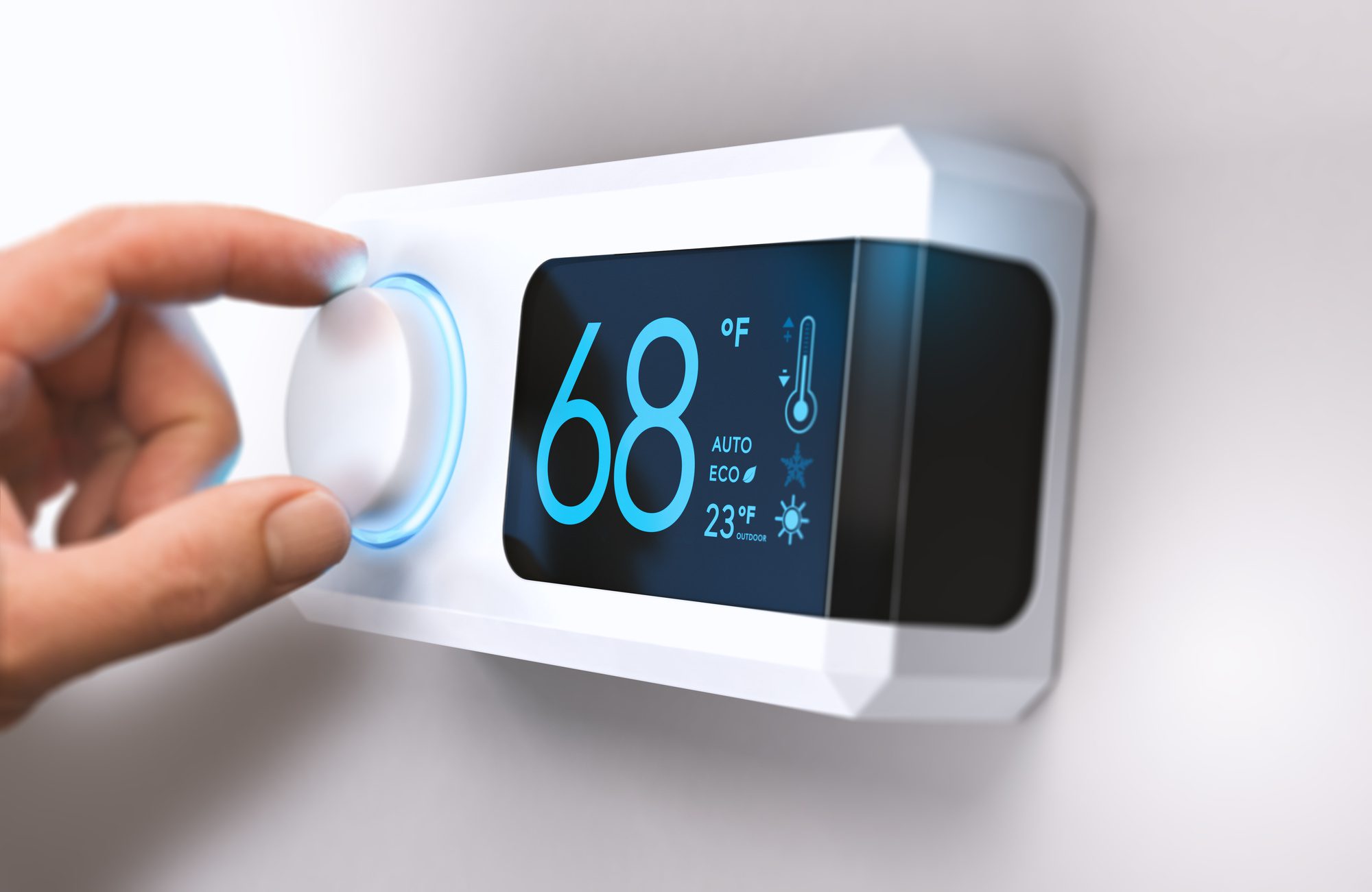
There are many different thermostats, both programmable and non-programmable. Frequently, when a homeowner believes their furnace is not operating properly, it is an issue with the thermostat or how it is set. Referring to your owner’s manual and reviewing the operating instructions may prevent you from paying for a costly or unnecessary service call. Programmable thermostats may have batteries which need replaced periodically. If still malfunctioning, problems can be quickly diagnosed by a service technician.

5) MECHANICAL WEAR AND TEAR
There are a number of mechanical components your heating system relies on. Your units performance can be negatively impacted by normal wear and tear of these components. These include belts and bearings, which may result in overheating, poor heating, or airflow issues. Regular maintenance should include checking for worn or stretched belts and oiling bearings and motors if necessary.

6) UNUSUAL FURNACE NOISES
Some furnace noises are part of normal operation, while others may be a warning or indication of a mechanical problem. A whining or squealing motor can be an indication that the bearings in an inducer motor or blower motor are failing. Replacement of the motor may be required to avoid a furnace failure. Other noises may be caused by airflow issues or dirty burners. Either way, it is best not to ignore these signs as they may be a warning of a dangerous operating condition or could lead to a furnace failure.

7) BLOWN FUSES OR TRIPPED BREAKERS
The most common reason the furnace trips a circuit breaker is that the blower is overworking. If something is blocking airflow to your system, your blower has to work harder to compensate. The most common cause is a dirty air filter. When the air filter is dirty your blower has to work harder to force air through the filter. This increases the blower’s energy consumption and can sometimes trip the circuit breaker. Check your filter and replace it with a clean one before resetting your circuit breaker. If the problem recurs, it is best to contact a professional who can safely determine if the issue is caused by a furnace problem or if the circuit breaker itself may have malfunctioned. Other issues that can make the blower overwork include duct leaks, closed or blocked-off air registers or dirty coils.

8) DIRTY CONDENSER OR EVAPORATOR COILS
Chances are, regular maintenance on your air conditioner has been neglected it isn’t cooling as well at it could be. Dirt and debris can clog the coils of your system, significantly reduce the efficiency and wear it out sooner. You can hose off the outdoor coil after shutting off the power to the condenser. Power can be shut off at the electrical disconnect near the condenser or at the electric panel. The indoor evaporator coil can become dirty, especially if the furnace filters is not changed frequently. A dirty evaporator coil can reduce the efficiency of both your furnace and air conditioner and make your system work harder. Extremely dirty coils will need to be cleaned by a trained service technician.

9) BLOWER RUNS CONTINUOUSLY
There are a few reasons a furnace blower may run continuously. Before calling for service, check the fan switch on the thermostat. The motor will run continuously when the thermostat is set to the fan on position. It often happens that homeowners accidentally switch the fan switch to on.

There is a fan relay in the furnace that turns the blower on when there is a call for heat; if the relay sticks, the blower will not shut off. There are several types of safeties and limits on the furnace. If activated, the circuit board may bring on the furnace to cool it down. If the limit or safety does not reset, the blower will not shut off. A trained service technician can evaluate this problem and offer repair options.

10) WATER LEAKS
Both air conditioners and high efficiency furnaces produce condensate. Drain pipes are employed to ensure proper water drainage. Furnaces can leak water if the drain lines are either clogged or cracked. A homeowner can help keep the drain lines clean by pouring bleach down the drain periodically. Other possible leak sources could be the collector box, heat exchanger or evaporator drain pan. A service technician should be contacted to determine the source of the water leak and repair options.

For more information on any of these common problems or any other HVAC questions you may have, contact the experts .

Controlling Mold in Your Commercial Property With Your HVAC SystemControlling Mold in Your Commercial Property With Your HVAC System

Mold growth is an all-too-familiar problem for commercial property managers. When overlooked, it can cause discomfort and irritation for the building’s occupants while also compromising indoor air quality. To better control mold in your property–and prevent its development–you’ll need to take a closer look at your HVAC system. A trusted provider of quality central air conditioning, All Weather Heating & Air Conditioning, shares the essentials you need to know here.

office space with AC on ceiling

Why You Should Keep Tabs on Your Commercial HVAC System

The fact is, mold doesn’t just appear out of nowhere–it generally forms under specific conditions. Mold requires water, a food source and the right temperature range. The food source is negligible–your commercial property is chock-full of them, ranging from drywall and carpeting to paper, wood and furnishings. The water comes from the excess moisture caused by relative temperatures that encourage mold development–and these are elements where the HVAC system is involved.

Your HVAC system can have a significant effect on the indoor moisture level of your commercial property. If the system isn’t well-designed or has performance issues, not only will it generate moisture that promotes mold growth, it will also give mold spores a handy mode of transportation throughout the building via the ducts. For this reason, make sure to pay attention to your heating and air conditioning system and take measures that allow it to effectively control mold development. These may include:

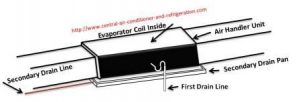
  • Checking the coils and drain pans. The coils dehumidify the air and cause condensate water to drip into the drain pan. When water doesn’t drain properly via the deep seal trap in the pan, however, it builds up and encourages mold to grow. Make sure the drain pan is properly cleaned and sloped to prevent this.

  • Using ventilation and dehumidification equipment. This helps get rid of excess indoor moisture in your commercial property and eliminate the potential for mold growth. All Weather Heating & Air Conditioning offers a wide range of ventilators and dehumidifiers from top manufacturer Bryant® to meet your needs.

  • Investing in regular HVAC inspections and tune-ups. Some components of your HVAC system can become wet or develop issues that lead to mold growth. These include outdoor air dampers, ducts and air filters. You’ll be able to catch these problems early on–and deal with them as necessary–by turning to All Weather Heating & Air Conditioning for regular inspections and tune-ups.