Ottos HVAC Blog 6 Ways to Improve the Efficiency of Your HVAC System in 2016

6 Ways to Improve the Efficiency of Your HVAC System in 2016

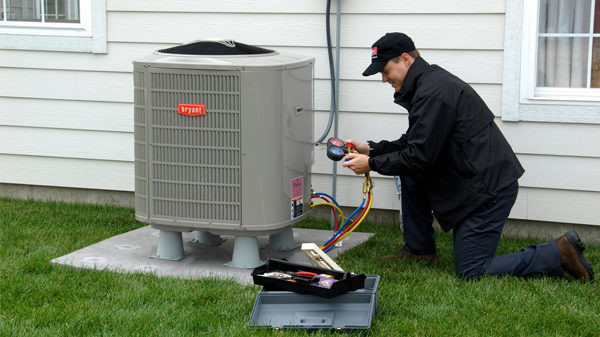
HVAC efficiency improvements

2016 is well underway! Whether you’ve kept up with your health, fitness and financial goals from the beginning of the year or not, make sure you take steps to care of your HVAC system! Take a look at some HVAC changes that are sure to improve the comfort and efficiency of your home!

Schedule annual maintenance.
HVAC systems require regular maintenance to improve their performance and efficiency. So remember to schedule your AC tune-up in the spring and furnace tune-up in the fall to help avoid performance problems and breakdowns over the course of the year.

Change your air filter regularly.
Regularly changing your air filter is the most important maintenance task you can perform to improve air quality, prevent breakdowns, and enhance the efficiency of your HVAC system. Remember to check and/or change your filter every month— if it looks dirty and clogged, it’s time to be replaced.

Use your programmable thermostat.
If you aren’t making the most of your programmable thermostat, then make it a priority this year. Programmable thermostats lessen the demand for heating and cooling, easing the load on your HVAC system. You can save up to 15% a year on your heating bill by turning back your programmable thermostat 10° to 15° for 8 hours a day.

Have your ductwork inspected?

Heating, Ventilation & Air Conditioning in Albany, NY | Family Danz
Everyday living habits generate dust, dander and other air pollutants that are pulled into the HVAC system and re-circulated into our indoor air. So if you haven’t done so in the past 5 years, then schedule a professional air-duct inspection with your HVAC technician to remove the debris your vacuum cleaner hose can’t reach.

Get a home energy audit.
A home energy audit is a great way to find out how much energy you’re using as well as the efficiency of your home’s HVAC system. Your Comfort Advisor will evaluate how well your HVAC equipment heats and cools your home and recommend any changes needed in your attic insulation or ventilation.

Consider system upgrades.
Replacing your old HVAC System is a big investment, but it’s also the biggest step you can take to improve your home’s comfort, air quality, and energy efficiency. You can use this handy Energy Star checklist detailing tell-tale signs that it is time to replace your system with an Energy Star-approved system.

Related Post

WHY WATER HEATERS ARE SO IMPORTANTWHY WATER HEATERS ARE SO IMPORTANT

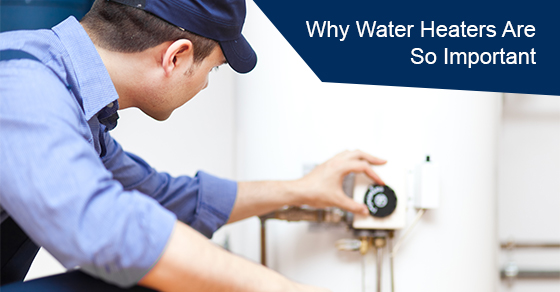
Why water heaters are so important

Water heaters are essential to our wellbeing and daily living. Although we sometimes take them for granted, water heaters allow us to wash dishes with ease, or warm up in the shower after a cold day outside. They even affect our washing machines, and help maintain the integrity of our clothes with warm cycles. Without a water heater, we would resort to manually heating water, which would be a waste of energy, time, and effort, which is why these systems are so functional and important in your home.

As users, we tend to notice such systems only when something goes wrong and our day-to-day activities are interrupted. Although people often get routine plumbing maintenance checks, water heater checks remain forgotten. This can lead to dramatic (even dangerous) issues later, leading to expensive repair or replacement costs.

Let’s dive deeper into this topic, and why water heaters are so important in every household in Toronto.

TEMPERATURE REGULATION

Starting with the basics, heating systems allow us to toggle between hot and cold water usage. The temperature depends on the task at hand; typically, cleaning is done with lukewarm water, while showering or washing hands requires warmer water.

An efficient water heater moves quickly between hot and cold water, and doesn’t run out of hot water quickly. As soon as you start to notice your water taking longer to warm up, or your hot showers getting shorter, it is a sign that something is amiss with your heater and its output is starting to deteriorate. Another sign that your system isn’t working properly is if the pilot light does not turn on, which indicates that the water isn’t warming up internally.

WATER CONSERVATION

We all recognize the importance of conserving water. Good quality water heaters work quickly so that as soon as the tap is switched, you receive hot water. If you have to run the tap for a couple minutes before your water is heated, it’s a sign that your system is either of mediocre quality or that a repair is pending. Running water when not needed (even if it’s for a couple minutes) can really add up on your monthly water bill.

ENERGY CONSERVATION

Similarly, water wastage or inefficiency can significantly impact your energy consumption. Most systems use gas or electricity to heat water, and if your system is running for a long time without heating up, it utilizes more energy. Not only is this not great for the environment, but it also comes with higher utility bills. This can easily be avoided with the right model, and then routine maintenance and repairs if needed.

Here is when the kind of heater you have comes into play. For example, a tank water heater keeps your water stored at a constant temperature regardless of which temperature you require at the time. A tankless heater will not heat water unless you turn the hot water tap, so you can expect energy to be saved with this system.

TYPES OF WATER HEATERS

However, which system should you choose? It can be intimidating trying to decide between a tankless heater or tanked, and then considering the size and output level. Make sure to reach out to professionals who can recommend another system if your current water heater is not meeting your needs. We’ve been in the water heater business for a long time, and our experts believe that the benefits of a tank system greatly outweigh those of a tankless. Local professionals will give you accurate recommendations based on your usage, as well as other factors such as the local weather. As we experience low temperatures in the GTA, it is important to pick the right heater that can withstand issues such as pipes freezing or lines breaking.

MAINTENANCE AND REPLACEMENT

Often, water heater issues are a result of a lack of routine checks. In this case, maintenance by a professional will do the job. If the issue is more serious, a repair can restore the system back to new. We strongly recommend not attempting a DIY fix or hack to your water heater; often, this can create new, more dangerous issues. Lack of professional knowledge can lead to short circuits, line breaks, and even personal harm through burns by sudden spurts of extremely hot water.

During remodelling or renovating your space, it may be a good time to consider a replacement. If you’re unsure about what to do, here are some important questions to think about when it comes to repairing or replacing your heating system:

  1. How often do you need to do maintenance checks? This is directly dependent on your chosen model and its efficiency. Doing a quick maintenance check every time you do your plumbing maintenance should keep your system happy and healthy for a long time.
  2. How often are you doing repairs? If you need to repair your system frequently, it is an indication that it isn’t working for you. Perhaps the usage is too high for your particular model, or maybe the style of the tank isn’t providing the best results. A great system will allow your water heater to run smoothly and efficiently without requiring repairs often.
  3. How old is your system? If you have an older system, chances are that you have outgrown your water heater! If you’re planning a remodel or renovation, consider opting for a new, better quality model that will ensure you don’t face hassles with your system. Referring to professionals here is important, as they can provide consultations that are tailored to your needs.

Being vigilant about your system and treating it often is key in avoiding larger, more dramatic problems later. We realize how important hot water is, and how it impacts so many of our daily activities. Feel free to reach out for a consultation, or if things get really bad, we offer emergency services for a quick fix as well.
Health Benefits of having an HVAC systemHealth Benefits of having an HVAC system

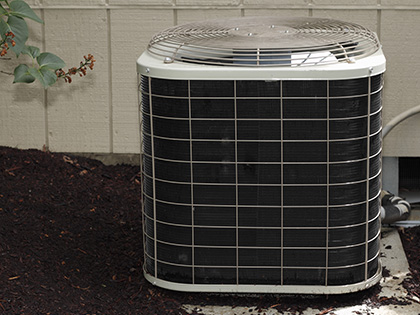
Exterior HVAC fans in an Atlanta backyard

There are certain obvious benefits of having a HVAC system that most people know of e.g. regulating your indoor temperature. But did you know that there are more benefits of HVAC systems than simply regulating your indoor temperature? That’s right.

Your HVAC system can also offer some health benefits to you. Contaminants such as fungi, dust and bacteria could seriously affect your health when inhaled indoors. The solution? A HVAC system can help prevent this and other issues. Want to learn the health benefits of having an HVAC system? Let’s dive into it.

WHAT ARE THE BENEFITS OF HVAC SYSTEMS?

The HVAC health benefits you ought to know of include:

  1. They help improve indoor air quality. According to the EPA, the quality of indoor air is 2-5 times worse than the air outside. This is mainly because the airflow indoors tend to be more congested than outside air. The contaminated air in your home can cause health problems such as allergies and cold. Having a HVAC system installed at home or office can improve the quality of air you breathe while indoors. A HVAC system does this by continuously exchanging your indoor air with fresh, filtered outdoor air.
  2. They help conserve energy. While the initial investment of acquiring a HVAC system may seem high, you’ll be able to notice some energy-saving benefits every month. Since a HVAC system contains both cooling and heating in one unit, it saves on installation time, space, fees and usage of power. A HVAC system can also be run by renewable energy sources such as solar panels. Also, since a HVAC system’s coolant is non-chlorine based, energy conservation is boosted.
  3. They help regulate moisture indoors. Having the right amount of indoor moisture is beneficial to both your building’s structure and your health. If the moisture is too much, it can cause growth of mold and mildew in your home. Also, if the moisture is too little, it can cause discomfort and heat loss. A HVAC system ensures your indoor moisture is well regulated and consistent. It does this by pulling air that’s warm and moist outside – and sending dry, cool air indoors.
  4. They help you sleep well. A HVAC system that’s well maintained and efficient will ensure you sleep well at night. Sleeping well is vital for your overall health. Since a HVAC system regulates the indoor temperatures and ensures quality flow of air, expect to sleep well with one installed in your home.

What are the benefits of heating, ventilation and air conditioning (HVAC)?What are the benefits of heating, ventilation and air conditioning (HVAC)?

The three functions of heating, ventilation and air conditioning of HVAC are interrelated, and this purpose is to provide people with a comfortable temperature at reasonable cost of installation, operation and maintenance. The air conditioning function of HVAC, which can adjust the air pressure relationship between indoor and outdoor or between different rooms. In modern buildings, if it is a small building, the contractor will directly select the air conditioning system and equipment according to the needs. If it is a large building, it is necessary to select the air conditioning system through calculation and analysis, and have a professional installation agency to install it.

HVAC is the central air conditioner for households. The biggest feature of central air conditioner is that it can create a comfortable environment for people. However, the general split air conditioner for furniture can only solve the problem of heating and cooling, but it cannot solve the air treatment process. However, the emergence of HVAC has solved this problem for us. The steps of its air conditioning treatment are: advanced cooling treatment, and then filtering treatment, which can add several features, namely: the first is the addition of electronic dust collectors . It can capture very small dust, most of the captured dust is bacteria, germs, smoke or odors, etc., so that it can be filtered out; the second is to add a humidification device, which can make our room The humidity increases to 40% relative humidity, which makes us feel very comfortable.

The fundamental purpose of HVAC is to achieve temperature regulation and to achieve people’s control of temperature. In the early days, HVAC systems were designed using constant flow hydraulic systems. The temperature of the air is regulated through the end of the zone. This is a relatively simple, rough, decentralized adjustment, and no adjustment to the hydraulic system is required after the initial adjustment.

With the continuous improvement of people’s low level of environmental comfort, this simple system can no longer meet people’s needs, and people begin to use variable flow water conservancy systems and variable air volume systems. And later, the emergence of electric regulating valve has greatly improved the ability to adjust the ambient temperature, making people’s lives more comfortable.

HVAC (Heating, Ventilation and Air Conditioning) is a combined system of indoor and outdoor air circulation. It also helps to heat and cool buildings in winter or summer. But HVAC is more than just raising or lowering the temperature, here’s a summary of the benefits of HVAC

1) Improves air quality: The heating, ventilation and air conditioning (HVAC) system filters any dust, dirt or any other particles from the air before it flows into the house.

2) Save money and space: HVAC is a combined system, so it does not have to be installed separately, which saves a lot of space. While the system is a bit pricey at first, it can also run with solar panels installed. So, it saves money in the long run.

3) Maintains moisture and temperature: The HVAC system helps keep the moisture in the air at an optimal level at all times, so it doesn’t allow mold to grow anywhere, keeping the house clean. Also, it maintains temperature. Cool in summer and warm and comfortable in winter, making life more comfortable.

4) Long life: HVAC system can be used for a long time. Once properly installed, the device will last for years. There is a one-time fee and no additional equipment is required.