Ottos HVAC Blog Five Steps for Providing Great Service to Your HVAC Customers

Five Steps for Providing Great Service to Your HVAC Customers

You already know that your team has the expertise to solve your customers’ air-conditioning and heating issues quickly and affordably, so how do you stand out from your HVAC competitors? The best way is to deliver an easy, friendly, professional experience so that customers want to call your company again and tell their friends and colleagues about you.

1. Create a Lasting Impression

Make a great first impression! Have a professional website that describes who you are and what your customers should expect from you. What are your company’s values? Do you offer a 24-hour service or guarantee all requests for same-day service? Tell your potential customers this and give them clear ways to reach you. Make your phone number easy to find or provide webchat services that allow a customer to reach out in whatever way they feel comfortable.

2. Schedule Service Requests Quickly and Efficiently

When customers contact your company, make sure they’re greeted by friendly voices who are prepared to schedule their service needs. Make sure your phone staff can provide the important information your customer needs so that they can make an informed decision to do business with you. If you use a call center or live answering service, outfit them with the tools to help your customers and make sure they can interface with your customer management database. This way your call center can have access to past service information, quote prices and then schedule jobs. Your callers want reassurance their service needs are being scheduled during the first call and if your customer has to wait around for someone to get back to them, they may find another provider during the wait.

3. Treat Customers with Respect and Compassion

Make sure your technicians delivering service to your customers are friendly, professional and respectful of your customers’ homes and businesses! Your customer is unlikely to call you back to fix a problem if their last impression was of your service technician leaving dirty footprints on the carpet or cigarette butts in the yard. Your technicians are providing a valuable service to people in need, but those customers have a lot of choices. Set an expectation that your service technicians treat your customers with gratitude and the utmost professionalism. This will help your customer remember you and make them feel comfortable inviting your team members into their homes again in the future.

4. Be Honest and Transparent with Customers

Deliver on your promises! Arrive on time. Provide accurate quotes that don’t hide charges. If anything threatens your ability to arrive at a predetermined time with a customer, be proactive and let them know so that they can determine whether they want to continue to wait. If the scope of work changes after a quote is provided, inform your customer immediately. Transparency with customers allows them to make informed decisions about how to move forward. Customers are happiest with providers who are honest and open with them.

5. Follow up to Measure Customer Satisfaction

Check in on your customers! After the service is complete, find a way to check in to make sure the customer’s issues are resolved and that they are satisfied with your service. If you want that customer to come back or to tell their neighbor to call you, you have to show them you care about them. Checking in is a great way to do that. There are many customer management tools on the market that can help automate these check-ins. Research some and find one that works best for your business.

These five simple considerations really can make a difference between gaining a customer for life or just being another service provider in a crowded market. Remember to make a great impression. Once your customer decides to reach out to you, make them happy they did, and be easy to do business with by having great people answer your phones. Guarantee that the technicians you’re sending in to your customers’ homes are professional and show your customers that they’re happy to be there. Deliver on your promises and be transparent when anything gets in the way of you meeting the expectations you set with your customer. Finally, check in on them after the service to make sure they got everything they need from you.

Remember that there are many tools to help you with all these items, including web design teams, great call centers and customer management tools. Be aware of what’s in your marketplace to help you stand out from your competitors. Almost all of them are inexpensive compared to lost customers and opportunities due to poor customer service.
Related Post

What is an HVAC contractor & what do they do?What is an HVAC contractor & what do they do?

f you live in a home with indoor heat and air conditioning, you know how important it is to keep the system working properly.

Without HVAC systems operating at peak efficiency, life can become extremely uncomfortable quickly.

That’s why hiring an HVAC contractor when your system begins acting up is so important. HVAC contractors have the training and experience to fix your HVAC system fast.

But what does an HVAC contractor do and what kind of services do they offer? How do you choose an HVAC contractor? Keep reading to find out.

What is an HVAC contractor?

An HVAC contractor is someone who specializes in heating, ventilation, and air conditioning (HVAC) systems. They are professionals who are licensed and insured to install, repair, and maintain HVAC systems in homes and businesses.

HVAC contractors can help homeowners maintain their HVAC systems so they run efficiently and cost-effectively year after year. They can also help homeowners plan for and install new HVAC systems when their current system stops working correctly or no longer meets their needs.

HVAC contractors are also responsible for making sure that all installed systems are properly maintained and operate safely. This includes making sure that all electrical work is up to code, that air ducts are properly sealed and filtered, and that gas lines are properly installed and capped.

What does an HVAC contractor do?

As we’ve said, HVAC contractors install, repair, and maintain HVAC systems. They can also provide HVAC maintenance and replacement services when systems break down and need to be repaired or replaced.

Regardless of the service they provide, the main goal of an HVAC contractor is to keep you and your family comfortable. If your system is running at peak efficiency, you can expect to save on energy costs and have a reduced carbon footprint.

When your HVAC system is not working properly, an HVAC contractor can help you get it back up and running as quickly as possible.

Here’s a look at the three main services that HVAC contractors provide:

1) HVAC maintenance services

Regular HVAC maintenance service can extend the life of your HVAC system, reduce your chances of needing expensive repairs, and save you money on energy bills.

A trained HVAC contractor can inspect your system and identify any issues that need to be addressed. They can also make sure that your system is in proper working order.

While you can perform some maintenance tasks on your own, HVAC contractors have the training and expertise that homeowners don’t have. They can do a more thorough inspection and address issues you may not have even realized existed.

Common HVAC maintenance services include:

  • Cleaning or replacing air filters. Air filters should be cleaned or replaced every month or as needed. Dirty filters can cause your HVAC system to work harder, resulting in higher energy bills. When filters are old, they can also pose a health risk to your family.
  • Flushing your cooling system. Flushing your cooling system removes dirt, sand, and other debris that accumulates in the pipes of your cooling system. Keeping your cooling system clean reduces your risk of needing maintenance or repairs. It can also help extend the life of your HVAC system.
  • Checking and maintaining electrical components. Electrical components such as circuit breakers and cooling fans are essential to keeping your HVAC system in proper working order. An HVAC contractor can make sure these components are working properly and that your system is protected from electrical issues.

2) HVAC installation services

HVAC contractors also can help install new systems in your home or business. HVAC contractors have the experience needed to plan the best system for your home, install it correctly, and ensure it is operating safely.

An HVAC contractor will work with you to choose a system that meets your needs and fits your budget. They can also help you navigate local building and zoning codes.

3) HVAC repair services

HVAC contractors can also provide repair services for your existing HVAC system.

If your system breaks down and needs to be fixed, you don’t want to wait. The sooner you get your system back up and running, the less discomfort you’ll have to deal with and possibly less money you’ll waste on energy bills.

Some HVAC repairs can be done quickly, while others may take longer. In some cases, it may be more cost-effective to replace your system than to have repairs done.

HVAC contractors can help you decide what is best for your situation. They can also help you navigate any homeowner’s insurance that you may have that could cover the cost of repairs.

4) HVAC replacement services

When your HVAC system breaks down beyond repair, it will need to be replaced. Some HVAC contractors also offer HVAC replacement services.

Before choosing a new system, an HVAC contractor will help you assess your current system and determine what size you need and what type of system would be best for your home.

They can also help you navigate the types of rebates and incentives that may be available to you when making your decision.

Some HVAC contractors may even provide financing for HVAC replacements so you can spread out the cost over time.

How to choose an HVAC contractor

The best place to start your search for an HVAC contractor is through friends and family. Ask them if they’ve had a contractor or company that they’ve had a good experience with in the past.

You can also search for an HVAC contractor online. Checking contractor search sites like Angi’s List or seeing Google’s top recommendations for contractors in your area is a quick way to build a shortlist of candidates.

Remember, not all contractors are created equal. Choose an HVAC contractor who has experience in your area and is knowledgeable about your type of HVAC system.

Before choosing an HVAC contractor, make sure they are licensed and insured if required by your state, city, or local area. You can typically check to see if contractors are licensed and insured in your area by visiting the website of your state’s government.

When you are interviewing contractors, make sure you ask the following questions:

  • How long have you been in business? A contractor who has been in business for many years is more likely to be experienced and knowledgeable than someone who has just started out.
  • Do you specialize in HVAC systems? An HVAC contractor who specializes in your type of system can help you make the best decision for your home.
  • Do you have experience installing the type of system I’m considering? An HVAC contractor with experience installing your system can help you make sure it’s installed correctly. A contractor with these attributes can help you choose the best system for your home, install it properly, and maintain it for years to come.

Choosing an HVAC contractor may seem like a daunting task, but it doesn’t have to be. Be sure to check out online reviews and talk to friends and family to narrow down your search.

Next, give the contractor or company a call to get an idea of their experience, pricing, and their projected timeline for getting the work done. You may even be able to get a free consultation or estimate.

Once you feel comfortable with a contractor, move forward with the project and give your HVAC system the love it deserves!

GET ANSWERS TO THE 10 MOST COMMON HVAC PROBLEMSGET ANSWERS TO THE 10 MOST COMMON HVAC PROBLEMS

While some HVAC issues are simply a matter of cleaning coils and filters, many of the 10 most common heating and cooling system problems will develop into much bigger concerns if not serviced early. Most of these can be avoided with regular preventive maintenance calls. It is wise to have your system checked annually to prevent outages during extreme weather.

The 5 Most Common Commercial HVAC Problems

1) LACK OF MAINTENANCE
Regularly scheduled maintenance by a licensed service contractor is a MUST to keep your system in proper working order. Many of the most common furnace problems can be avoided with proper maintenance by a certified service contractor. You have likely invested thousands of dollars in your home heating system. Why not protect that investment? If you neglect to perform regular maintenance you will most likely experience unexpected costly breakdowns, increased energy cost, poor performance and frustration.

Protect your investment and gain peace of mind by calling Jennings Heating at (330)355-3135 to have a NATE certified technician inspect your HVAC system today.

2) DIRTY FILTERS

How often should I change my filters? - PAC Plumbing, Heating, Air  Conditioning
Replacing your filter regularly is one of the most important things you can do to extend the life and efficiency of your furnace. If your filter is dirty it will restrict airflow causing your unit to work much harder to circulate air through your home. This puts unnecessary strain on your furnace’s’ blower and will result in comfort issues as well. A dirty filter can also cause the furnace to overheat and shut off on high limit.

3) PILOT OR IGNITION PROBLEMS
Ignition problems can result from a number of causes. A dirty pilot, flame sensor, or burners can cause a pilot outage, short cycling, furnace lockout, or delayed ignition of the burners. It could also be a result of a gas supply problem or just wear and tear of an ignition component that needs replaced like the hot surface ignitor or thermocouple. Either way, it is best to have these problems handled by a trained service technician since this deals with dangerous elements like natural gas and high voltage.

4) THERMOSTAT MALFUNCTIONS

7 Crucial Thermostat Issues That Can Lead to HVAC Problems
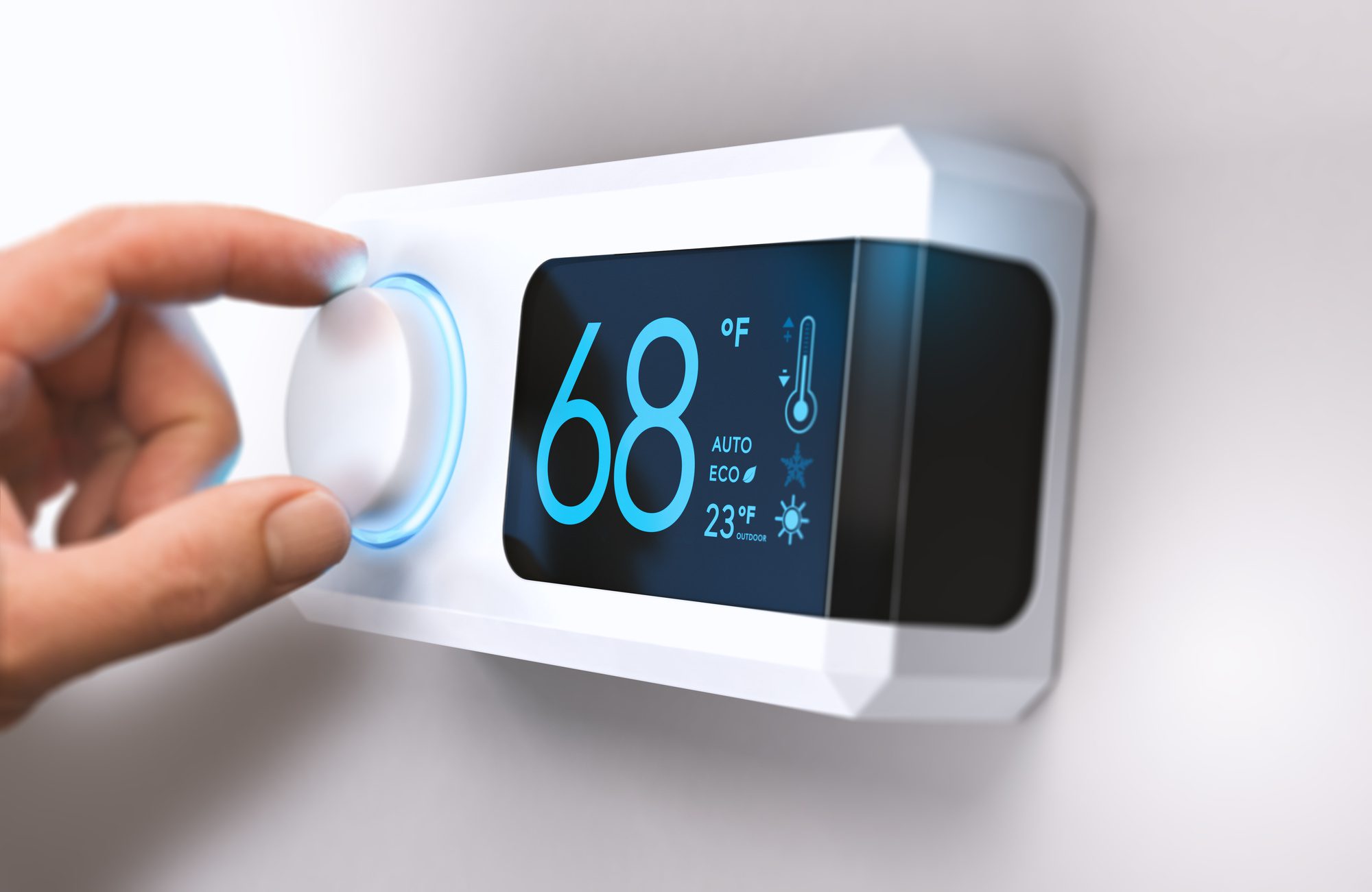
There are many different thermostats, both programmable and non-programmable. Frequently, when a homeowner believes their furnace is not operating properly, it is an issue with the thermostat or how it is set. Referring to your owner’s manual and reviewing the operating instructions may prevent you from paying for a costly or unnecessary service call. Programmable thermostats may have batteries which need replaced periodically. If still malfunctioning, problems can be quickly diagnosed by a service technician.

5) MECHANICAL WEAR AND TEAR
There are a number of mechanical components your heating system relies on. Your units performance can be negatively impacted by normal wear and tear of these components. These include belts and bearings, which may result in overheating, poor heating, or airflow issues. Regular maintenance should include checking for worn or stretched belts and oiling bearings and motors if necessary.

6) UNUSUAL FURNACE NOISES
Some furnace noises are part of normal operation, while others may be a warning or indication of a mechanical problem. A whining or squealing motor can be an indication that the bearings in an inducer motor or blower motor are failing. Replacement of the motor may be required to avoid a furnace failure. Other noises may be caused by airflow issues or dirty burners. Either way, it is best not to ignore these signs as they may be a warning of a dangerous operating condition or could lead to a furnace failure.

7) BLOWN FUSES OR TRIPPED BREAKERS
The most common reason the furnace trips a circuit breaker is that the blower is overworking. If something is blocking airflow to your system, your blower has to work harder to compensate. The most common cause is a dirty air filter. When the air filter is dirty your blower has to work harder to force air through the filter. This increases the blower’s energy consumption and can sometimes trip the circuit breaker. Check your filter and replace it with a clean one before resetting your circuit breaker. If the problem recurs, it is best to contact a professional who can safely determine if the issue is caused by a furnace problem or if the circuit breaker itself may have malfunctioned. Other issues that can make the blower overwork include duct leaks, closed or blocked-off air registers or dirty coils.

8) DIRTY CONDENSER OR EVAPORATOR COILS
Chances are, regular maintenance on your air conditioner has been neglected it isn’t cooling as well at it could be. Dirt and debris can clog the coils of your system, significantly reduce the efficiency and wear it out sooner. You can hose off the outdoor coil after shutting off the power to the condenser. Power can be shut off at the electrical disconnect near the condenser or at the electric panel. The indoor evaporator coil can become dirty, especially if the furnace filters is not changed frequently. A dirty evaporator coil can reduce the efficiency of both your furnace and air conditioner and make your system work harder. Extremely dirty coils will need to be cleaned by a trained service technician.

9) BLOWER RUNS CONTINUOUSLY
There are a few reasons a furnace blower may run continuously. Before calling for service, check the fan switch on the thermostat. The motor will run continuously when the thermostat is set to the fan on position. It often happens that homeowners accidentally switch the fan switch to on.

There is a fan relay in the furnace that turns the blower on when there is a call for heat; if the relay sticks, the blower will not shut off. There are several types of safeties and limits on the furnace. If activated, the circuit board may bring on the furnace to cool it down. If the limit or safety does not reset, the blower will not shut off. A trained service technician can evaluate this problem and offer repair options.

10) WATER LEAKS
Both air conditioners and high efficiency furnaces produce condensate. Drain pipes are employed to ensure proper water drainage. Furnaces can leak water if the drain lines are either clogged or cracked. A homeowner can help keep the drain lines clean by pouring bleach down the drain periodically. Other possible leak sources could be the collector box, heat exchanger or evaporator drain pan. A service technician should be contacted to determine the source of the water leak and repair options.

For more information on any of these common problems or any other HVAC questions you may have, contact the experts .

5 benefits to good ventilation in your home5 benefits to good ventilation in your home

Having good ventilation in your home was a hot topic during the coronavirus pandemic. With many of us spending more time in our homes, improving airflow to prevent virus particles from accumulating in the air had never been more important.

Good ventilation, so ensuring you have good airflow throughout your home, is recommended long after the pandemic had ended. It is good practice for us all to air our homes out, whether that be opening windows, having extractor fans fitted in wet rooms or trickle vents in our windows.

Effective ventilation helps keep your home energy-efficient, safe, and healthy as it helps control the airflow.

Good ventilation in the home has several benefits, some of which we discuss in this blog.


1. Regulates air flow in your home

We’ve established that good ventilation in your home is a must. Regulating the flow of air in your home, through good ventilation, helps to control the air moving in and out of your home.
Regulating the airflow will introduce fresh air into your home while removing stale air.


2. Positive impact on health and wellbeing

Another benefit of good ventilation in your home is the positive impact it can have on your health.

For those of you who suffer from hay fever, like me, good ventilation can filter out allergens such as pollen. Homes with inadequate ventilation can lead to health problems including headaches, allergies, and asthma.

A steady flow of fresh air into the home and between each room can help with well-being. You will feel more relaxed if you are living in a comfortable environment, where the temperature is controlled, and you are minimising any pollutants and odours.


3. Helps to control the household temperature

Particularly during the summer months, our homes can become either safe havens from the glorious sun outside providing us with a cool place to rest, or become stuffy humid spaces to live in.

A good, ventilated home will be more comfortable to live in, helping you to relax with an ambient temperature, right for you.


4. Reduces risk of condensation, residue and mould

Improving the airflow in your home is one of the most effective ways to reduce the risk of condensation, residue and mould which can be harmful to your health. Ventilation can help remove moisture in the home, which can lead to condensation.


5. Expels air impurities and odours

Having effective airflow in your home will help to eliminate odours and other pollutants.