Ottos HVAC Blog Keep It Running: 7 Essential Types of HVAC Maintenance

Keep It Running: 7 Essential Types of HVAC Maintenance

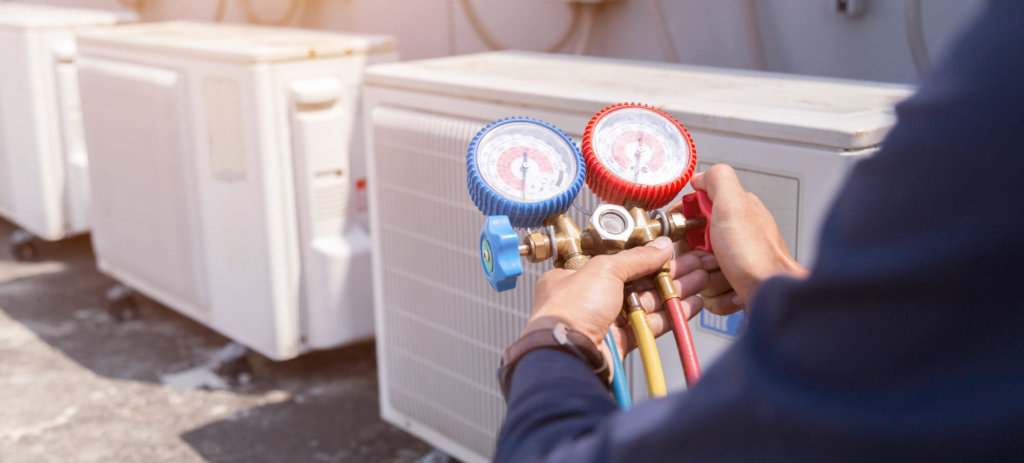
Technician is checking air conditioner ,measuring equipment for filling air conditioners.

As unfortunate as HVAC repairs are, the good news is many can be prevented or delayed with the right maintenance. Learn more here.

A new furnace can cost you anywhere from $2,000 to $7,000 on average, depending on the size of your house. A new central air conditioner, meanwhile, can cost between $2,500 and $15,000.

There will come a time when you need to replace both. But you can delay those replacements with proper maintenance on your HVAC system.

When you maintain your home’s HVAC system, you can steer clear of costly repairs. You assure you get as much life out of your HVAC system as possible before needing HVAC replacement.

Here are 7 essential kinds of HVAC maintenance:

1)  Replace Air Filter Regularly

The air filter inside your HVAC system is arguably its most important component. It protects your HVAC system by shielding it from:

  • Dirt
  • Dust
  • Allergens
  • Pet dander
  • Smoke & smog

Use a high-quality air filter and set a reminder to replace it every three months so your HVAC system runs efficiently. This reduces the risk of it breaking down ahead of schedule.

It’s one of the most essential types of HVAC maintenance.

2)  Clear Area by Furnace and AC Unit

Most furnaces are located in utility closets or basements. So it’s common for clutter to grow around them.

Don’t let too much stuff linger outside your furnace. It makes it hard for you to access your furnace and gathers dust, which can work its way into your furnace. Keep the area clear of clutter at all costs.

From the AC unit outside, clear away:

  • Dirt
  • Leaves & sticks
  • Grass clippings
  • Toys
  • Other debris

Nothing should be atop or against your AC unit.

Assure your AC unit is level. It also should sit on a concrete pad to prevent it from sinking into the lawn.

3)  Clean Evaporator and Condenser Coils

You have evaporator coils inside your HVAC system and condenser coils outside in your AC unit. Both play an important part in keeping your home cool in the heat.

  • Evaporator coils take the warm air inside your home and strip it of humidity so it can be efficiently cooled.
  • Condenser coils push hot air out of your home out so the indoor temperature is comfortable.

Both evaporator and condenser coils must be kept clean to let your HVAC system do its job. Both can get clogged with dirt and debris.

4)  Remove Blower Dirt, Dust, and Debris

Your HVAC system creates as much warm or cool air as you want, depending on the season. But if its blower doesn’t work, that “conditioned” air never makes it through your home.

Your HVAC blower sends warm or cool air  through the ductwork and air register. To work properly, clean it every month or so to get rid of dirt, dust, allergens and debris.

Test the blower to assure it does more than just make noise when your HVAC system runs.

5)  Don’t Let Condensate Drain Clog

The condensate drain in your HVAC system plays an important role. It takes the moisture your evaporator coils remove from the air and drains it away it.

Over time, mold, algae, allergens and more can clog your condensate drain. There’s simply no way for the moisture to drain away. This increases the humidity in your home and potentially causes serious HVAC problems.

Pour a mixture of bleach and water down the condensate drain each year to clear the drain. This should prevent clogs from forming in the first place.

6)  Check and Clean Air Ducts as Needed

When did you last inspect and clean ed the air ducts in your home?

If it’s been a while, a lot of dust and allergens has built up inside them. In some cases, even mold and mildew can grow in air ducts and send mold spores throughout your home.

The National Air Duct Cleaners Association recommends you clean air ducts about once every 3 to 5 years. Besides removing dust, such cleaning also reduces strain on your HVAC system.

7)  Open Air Registers and Keep Them Clear

Opening more of your home’s air registers also reduces HVAC strain.

Make sure at least 80 percent of your air registers are always open. Clear the areas around them to assure uninterrupted air flow.

This lets the warm or cool air spread throughout your home. You’ll notice a big difference when you open more air registers.

Make HVAC Maintenance a Priority

Regular maintenance extends the life of your HVAC system and reduces your energy costs.

But there will be times when you’ll need an HVAC professional. We provide the residential, commercial and industrial HVAC services you need to keep your HVAC system going strong.


Related Post

10 SIGNS IT’S TIME TO REPLACE YOUR HVAC SYSTEM10 SIGNS IT’S TIME TO REPLACE YOUR HVAC SYSTEM

Clock on red background

Many homeowners across Hampton Roads wrestle with deciding the right time to replace their heating and cooling systems. Here are 10 indicators that point to the fact that your HVAC system is ready for an overhaul. In most cases, you will find investing in a new, energy-efficient system, will save you money in the end. With a new heating and cooling system, you should not have unexpected repair bills nor increased utility costs. If you find yourself checking yes to these ten items, then it’s time for a new HVAC system.

1. HEATING & COOLING SYSTEM UNIT IS 10 YEARS + OLD

If your heating and cooling system is older than ten years of age, then chances are, it utilizes freon (or R-22) coolant. Owing to its harm to the environment, the manufacturing of R-22 has been retired across the globe. There are options to convert the coolant chemical to a safer agent. However, you should weigh the costs of this repair in addition to others on the horizon of an aging system. If your HVAC system is 10 years or older, you may be saying, “it’s time.”

2. BLOWING WARM AIR OR NOT BLOWING COOL AIR

When the temperatures warm up from Virginia Beach to Williamsburg homeowners will be clicking on their air conditioners. Your heating and cooling system has one purpose in life – to keep your home comfortable. Cool in the hot summer months and warm in the cold winter months. If you run your air conditioner and find that warm air or no cool air is blowing out, then you know you have a problem. Your HVAC system may have an issue with the compressor. Another reason could be an issue with refrigerant. Refrigerant may be leaking or low. Depending on the age of your HVAC system, the refrigerant cost may be more expensive than investing in a new cost-efficient system especially if your system uses the now-retired R-22 coolant.

3. POOR OR WEAK AIRFLOW

If you turn your system’s air conditioner on for the first time this spring and notice that the airflow from the AC return vents is barely pushing out cool air, then your system may have a problem. The issue could be as small as a clogged air filter (air filters require regular replacements). Lack of airflow could be an indicator of a broken motor, blower fan, or an even more serious problem. The bottom line, if your HVAC is not performing at its optimum level then greater energy bills are on their way. A cooling system running harder than it should to meet average output will be more taxing on the unit (on a track for greater repair bills) and will cost more in overexerted utility bills.

Woman on couch sweating

4. LOUD OR UNUSUAL NOISES

It is normal for a heating and cooling unit to make low-level sounds as it starts up and shuts down. However, if you are hearing uncommon noises – loud bangs and thuds, grinding, grating, and whistling – then your HVAC system is not well. If your system makes a buzzing or rattling sound, your heating and cooling system may have a loose part. No matter how you describe the noise, if it is uncommon to your system – then it requires attention. Call in a Smith & Keene expert technician to give your system an evaluation to determine the extent of the repair required.

5. HUMIDITY IN THE HOME

An air conditioning system should be equipped to keep moisture levels under control. If you notice that the inside of your home is just as humid as the weather outdoors, then your system needs a recalibration. HVAC systems should naturally be pulling humidity out of your home. If they are not doing this job, then other issues could be on the horizon.

6. FOUL ODORS

If you notice foul smells coming from your HVAC system not only is it annoying, it could be an indicator of a greater problem with your unit. Musty smells from your air conditioner vents could be an indicator of mold or mildew growing in the ventilation ductwork. A professional duct-cleaning could remove the microbial causing the odor. Worse odors, such as burning metal or melting plastic, are signs of a serious HVAC malfunction. These smells could indicate burned-out wire installation or motor. Turn your AC unit off immediately and call for a professional to evaluate the extent of repair required.

7. LEAKS

While minor condensation around your cooling system is expected, heavy drainage or leaks are signals of an issue with your HVAC. A drainage tube is the element of your HVAC that draws condensation away from your cooling system and outside of your home. If the condensation drain is clogged, then your system’s condensation drip pan may overflow causing water damage to ceilings or walls (depending on the placement of your AC system). Spotting a leak could also indicate that there is an issue with your refrigerant. Refrigerants are the chemicals used to maintain that your system does not overheat. It also keeps the air in your home cool. If the refrigerant is leaking in your system, then your system will not have sufficient coolant, and overheating could occur.

8. FREQUENT OR SHORT CYCLING

It is normal for an HVAC system to flip on or off in keeping your home at a comfortable temperature. However, it is not normal for air conditioners to short-cycle. Short-cycling is when your HVAC turns off before a cycle is completed. While one cause of short-cycling could be that your HVAC is too large for your home, another cause will lead you down the road of repairs. Short cycling is an indicator that your system is running harder than it should because of an issue. Whether it is a simple clogged air filter, or refill on your refrigerant, or it could be that your HVAC compressor is failing. Regardless of the cause, short cycling is a reason to call in a heating and cooling expert.

9. HIGH OR RISING ENERGY BILLS

If your utility bill for your HVAC suddenly spikes and is not in line with the temperatures outside, it could be an indicator that your system is working harder than it should. A heating and cooling system that is overworked means it is not running efficiently. The less efficient your HVAC system, the higher the utility bill. Additionally, if your cooling system is constantly running overtime then more repairs could be in the near future. Take steps to have your system evaluated by a professional to determine the cause of your system running above its means. If your system requires hefty repairs you may be saying “it’s time” to invest in a new, more energy-efficient system to lower utility bills.

Man reading bill

10. FREQUENT REPAIR BILLS

Every family has a tipping point for major repair bills. Whether it is a vehicle, a major appliance, or your heating and cooling system, there comes a time when the cost of a repair outweighs the investment of a replacement. If you are frequently sinking money repairing an aged HVAC unit, then a new more energy-efficient system could be your best bet. If it’s time for a new unit for your home’s HVAC, contact the experts at Smith & Keene to evaluate your out-of-date system and guide you in the most efficient heating and cooling system for your home.

CALL THE EXPERTS

If your home’s HVAC has one or more of these indicators, then chances are a new system is in your future. Be proactive! Don’t wait for mounting repair bills or until your unit completely breaks. Contact us to schedule one of our expert HVAC technicians to evaluate your existing cooling unit. If repairing your system is the right route, our team can handle it. If it’s time to get a new unit, our team is specially trained to guide you in selecting the ideal HVAC unit for your home. Don’t be afraid to say “It’s Time” and invest in a new heating and cooling system for your family.

5 Tips For Hiring An HVAC Contractor5 Tips For Hiring An HVAC Contractor

Chester, South Carolina - Heating & Air Conditioning Contractor - Cudd Heating & Air Conditioning

Finding a reliable heating and air conditioning contractor in the greater Chester, South Carolina area can be both challenging and annoying. Challenging because there are tons of contractors to choose from, and annoying because you don’t have an objective way of knowing which HVAC company you should hire. That’s why the Cudd Heating & Air Conditioning team has put together our five top tips for hiring and HVAC contractor.

1. Know What You Want
Before you even begin to look for potential HVAC contractors to hire, you need to know what exactly you want from a HVAC company. Do you need a company that offers financing options? Do you prefer a company that offers 24/7 emergency heating & air conditioning service? Is location important to you? These are all some of the questions you should ask yourself before beginning your HVAC contractor search.
2. Do Your Homework
Now that you have a general idea of what you’re looking for, you will want to do your homework and research as many HVAC companies as you can. Use your resources to locate reliable local heating and cooling companies in your area – whether that’s in Chester, SC or elsewhere. Create a list of potential candidates so you can begin to check the reputation of each company.
3. Read Online Reviews
Online reviews are a wonderful resource to really get to know a company before you begin working with them. Do they have majority good reviews or bad? Do they respond to their reviews? How do they handle the bad review? Make sure you read reviews on Google, Facebook, Yelp, etc. to really get a good idea of your prospective HVAC contractors.
4. Look Into Professional Standards
When hiring a HVAC contractor, it’s important that you know they are reliable and trustworthy. Reliable HVAC contractors are professional in all aspects of their business. They should have prompt and courteous technicians as well as friendly and knowledgeable office staff. Don’t hesitate to pay a visit to the company’s shop or office either. Their facility can tell assure you that this contractor has been in business and intends to remain in business for years to come.
5. Request a Written Estimate
Finally, make sure you request a written estimate or quote from your final prospects. It is vital that you get details in writing rather than over the phone. Additionally, you will want to make sure that your HVAC contractor has actually seen your home before giving you a quote as it is impossible to tell what kind of unit a home will need over the phone. If you have any other questions about hiring a HVAC company, please give Ottos Heating & Air Conditioning a call today! we are always happy to help our customers!

5 Benefits of Good Ventilation5 Benefits of Good Ventilation

Good ventilation may not seem all that important at first glance. When you get down to the heart and soul of it, though, the many benefits good ventilation has to offer, like the five listed below, should make it a priority in your home.

1) Improve Indoor Air Quality
The EPA suggests that indoor air quality in most homes is worse than the quality of the air outside. Unless measures are taken to improve ventilation, like installing a whole house fan, garage exhaust fan and attic fan, you may find yourself struggling with immediate health problems related to poor indoor air quality like irritation of the eyes, nose, and throat, headaches, fatigue, and dizziness, or long-term effects that include cancer, respiratory disease, and even heart disease.

2) Reduce Moisture
Good ventilation helps to draw moist air out of your home, releasing it outside. Moisture is introduced into the air in your home whenever you prepare meals, shower, wash dishes, or do laundry. Without adequate ventilation that moisture has no escape and becomes trapped in your home to generate mold and mildew problems that compromise the structure and beauty of your home in addition to the health of your family.

3) Temperature Control
Believe it or not, ventilation, properly venting stifling air out of your home, can go a long way toward keeping your home comfortable inside when the world heats up outside. Whole house fans, such as the QuietCool QC CL-3100 Whole House Fan, and attic fans, like the QuietCool Smart Attic Gable Fan, are excellent tools to assist with this as they help to remove the hot air from your home allowing cooler air to circulate better within your home.

4) Protect Respiratory Health
Toxins, allergens, bacteria, and moisture in the air in your home can lead to a wealth of unpleasant allergy symptoms, respiratory illnesses, and even asthma attacks. Good ventilation allows these things to escape your home, clearing the air inside so your family can breathe easier.

5) Improves the Smell of Your Home
There’s nothing quite like fresh air to make a room, or a home, smell clean. Good ventilation can help to remove many of the more unpleasant odors in your home, such as mold, mildew, tobacco smoke, cooking odors, and even pet smells.

The five benefits above are a small sample of the good that adequate ventilation can provide for your home. The key for improving indoor air quality and making your home a healthier place for your family and friends is to keep adequate ventilation in your home a priority.