It’s no secret that a properly functioning HVAC system is crucial to the comfort of your home. But when it comes time to hire an HVAC contractor, how can you be sure you’re getting someone who will do the job right? Here are some important questions to ask before hiring an HVAC contractor in Annapolis, MD:
ARE YOU LICENSED AND INSURED?
When hiring an HVAC contractor, you want to be sure the company is properly licensed and insured. This protects you in case something goes wrong during the job. Be sure to ask for proof of both before moving forward.
When you ask about licenses and insurance, inquire about other credentials the contractor may have. This can include things like industry certifications or training. The more credentials a contractor has, the better.
WHAT’S YOUR EXPERIENCE?
You’ll want to hire a contractor with plenty of experience. Ask about the contractor’s history, how long the company has been in business and the types of projects the company typically works on. The more experience contractors have, the better equipped they will be to handle your project.
With these, you can also ask about references. Good contractors should be able to provide you with a list of past clients who can vouch for their work. This way, you can get first-hand accounts of what it’s like to work with them.
WHAT’S YOUR POLICY ON OVERTIME CHARGES?
Some contractors will charge you extra for overtime, and others won’t. It’s important to know the policy before hiring a contractor because this can be a significant cost if you’re not careful.
You need to understand how contractors charge for overtime. If they charge by the hour, you need to know their hourly rate. If they charge a flat fee, you’ll want to know how much that fee is.
CAN YOU PROVIDE A WRITTEN ESTIMATE?
When hiring a contractor, you’ll want to get a written project cost estimate. This way, there are no surprises down the road. The estimate should contain a list to show exactly what you’re paying for.
Be sure to ask about any other documents the contractor will need, such as a contract or proposal. These can give you additional information about the project and help you make an informed decision.
WHAT’S YOUR WARRANTY POLICY?
Most contractors will offer some warranty on their work. This protects you in case something goes wrong once the job is complete. Be sure to ask about the warranty terms, such as how long it lasts and what it covers.
You should also inquire about any other guarantees the contractor offers. For example, some contractors may guarantee their work for a certain period. Others may offer a money-back guarantee if you’re unsatisfied with the results.
This will help you understand what type of protection you have if something goes wrong. It is also safe practice to save all paperwork related to the warranty in case you need to use it later.
WHAT ARE YOUR PAYMENT TERMS?
HVAC contractors will typically require some payment upfront. This is usually a deposit that goes toward the project’s total cost. Be sure to ask about the payment terms before hiring a contractor.
You’ll also want to know when the final payment is due. Some contractors will require full payment upon completion of the job, while others will give you a grace period to make the payment. It’s important to know this so you can budget accordingly.
WHAT’S YOUR CANCELLATION POLICY?
Sometimes, you may need to cancel your project after hiring a contractor. Knowing the contractor’s cancellation policy is important so you don’t lose your deposit.
Some contractors will allow you to cancel without penalty if you give them enough notice. Others will charge a cancellation fee, which could be a percentage of the total project cost. Be sure to ask about this before hiring a contractor.
HVAC is a year-round necessity; these systems help us keep warm in the winter and cool during the summer. With continuous usage such as this, an air conditioner can be under plenty of strain, and it can eventually break down. To prevent this from happening, it is good to perform routine HVAC maintenance and catch a problem before it has occurred.
Moreover, apart from HVAC system repairs, completely replacing an air conditioner can result in even more costs. It is thus imperative to adopt the essential tips for preventing costly HVAC repairs. The sooner you realize that there is a problem, or the more checks you deploy to avoid a problem from occurring in the first place, the lower will be your HVAC maintenance costs.
An HVAC system is like a car – it needs proper care and maintenance to function correctly and extend its lifespan. A properly working HVAC system is one that will keep your home snug or cool for several years to come. But the pre-requisite for this longevity is HVAC maintenance, which is essential.
There are multiple benefits for keeping your HVAC system in top-notch condition:
1. Maintenance Can Lower Utility Bills
Reducing utility bills is one of the main reasons households should well maintain their HVAC units. An HVAC unit operating efficiently, plus a home that is correctly insulated, will result in less money spent on electricity, heating, and cooling costs. HVAC maintenance is also essential to prevent the need for major repairs or complete replacements.
2. Ensure Healthy Air With Maintenance
An adequately repaired HVAC unit will not only keep a home cozy or fresh, but it will limit problems with air quality. Cleaner filters and coils equate to better breathing for an entire household. Unmaintained HVAC units are a magnet for dirt, mold, bacteria, and many other pathogens, all causing or worsening respiratory problems for those living in the home.
The better you maintain your HVAC unit, the longer that unit will be able to perform. Considering the astronomical amounts people spend on installing HVAC units, it makes sense to want to keep that unit operating in tip-top shape for many years.
4. Improve Efficiency With HVAC Maintenance
It’s clear that a more efficient HVAC system will cost less to run. Dirty or unmaintained units require twenty percent more energy to generate the same cooling or heating level as a perfectly maintained AC unit.
5. Fewer Emergency Repairs
Sadly, it’s a fact that HVAC units will require emergency repairs from time to time. Well-maintained units are less likely to breakdown during months of sustained use, namely the summer months from June through September and the colder winter months from December to March. Keeping your AC unit up to date with regular inspections and maintenance will remove the worry that your HVAC will break down during the months you need it most and save you from HVAC maintenance costs in the future.
Costs of Replacing HVAC Units in the USA
Households who neglect to adhere to monthly HVAC maintenance will see a higher probability that the system will fail. In this case, you will need to replace the furnace, air conditioner, or heat pump.
If this happens, you will need to cough up anywhere between $8,000 to $15,000+ should you replace your damaged units. While this price can seem steep for many homeowners, the actual cost is dependent on:
The size of the units
The efficiency levels of the units
The features/technology you choose
The contractor chosen for the installation
Furnaces typically last much longer than AC units, meaning that if a household initially had these two units installed simultaneously and the AC is failing, likely, you don’t need to renew the furnace for another five or more years.
The best way to consider this is that the AC and furnace are like conjoined twins; they each have their separate compartments, yet both utilize the indoor units (blower motor).
Thus, if households spend additional funds on upgrading their existing AC yet leave the furnace and blower motor as they are, instantly, you are wasting money since the AC is really only half-upgraded and won’t work as efficiently as it’s originally designed to do.
The tip here is that if you are required to upgrade to an AC unit with a SEER rating over 16, it is best to update the furnace simultaneously.
Good to know:
SEER (Seasonal Energy Efficiency Rating) is a rating from 13 to 21+ that measures an AC unit’s efficiency. The higher the score, the more efficient an AC unit is at cooling your home and reducing your energy bills.
AFUE (Annual Fuel Utilization Efficiency) is a percentage ranging from 80% to 100% that measures a furnace’s efficiency. The increase in the percentage number equates to how efficient the furnace works and reduces your energy bills.
6 Must-Know Tips to Prevent Costly HVAC Repairs
With details on why HVAC preventative maintenance is essential and how it can affect your household, let us look at the six crucial steps you need to take regularly to ensure the proper functioning of your air conditioner.
1. Clean the Condenser or Heat Pump
Outdoor air conditioners and heat pumps can get notably dirty, causing the system to work harder to create the necessary cold and warm air you want in your home.
Cleaning condensers and heat pumps reduce the likelihood of damage to any internal components. Households must ensure that there is no debris on the top and sides of their outdoor air-conditioning pumps and units.
Use your garden hose on the fins, making sure that you get in-between the crevices to get all the gunk out.
Also, double-check that your unit is level. If lopsided, the refrigerants that are so important in helping your A/C work well, will be disjointed. Your condenser and compressor could be at an increased risk of breaking down as a result.
2. Check the Filter
One of the most apparent reasons for air conditioner repair is a dirty air filter. Changing the filter is one of the more straightforward ways of doing HVAC maintenance to improve the air conditioner’s efficiency, reduce energy costs of heating the home, and decrease the likelihood of needing repairs.
Check your filter monthly to ensure it isn’t dirty or clogged. If it is, it’s a good idea to give it a good wash and run air over it. As for changing the filter, about once every three months should suffice. If it looks dirtier than usual, then replace it at once, especially if your households have pets.
The AC filter can freeze if it is too dirty and then thaw, causing water damage.
If you have a reusable filter, clean it gently with a soft cloth. After that, add some mild soap and water.
If it’s not reusable, head to the store and buy a new one. If you or your family have allergies, it’s good to get a HEPA or hypoallergenic filter. These filters will help the most purify the air.
3. Regular or Annual Professional Check-Ups
A check-up comprises an on-site visit from an HVAC technician who will examine the HVAC system and ensure it operates at optimum performance. Depending on the technician involved, the inspection may include doing any of the following:
Ensuring the fan is working correctly
Cleaning the coils
Checking (or possibly changing) the air filter
Cleaning drain lines
Checking the refrigerant level
Checking for leaks in the heat exchanger
A check-up can be a one-time event or provided yearly as part of regularly scheduled maintenance.
A professional check-up only needs to be completed once a year and aids households to ensure that their HVAC does not break down when they need it most during the high summer and winter months.
Getting your HVAC serviced means that all the components will be cleaned and inspected, and working at their optimal best, preventing costly energy bills, not to mention expensive, unexpected repair bills.
4. Clean the Drain Lines
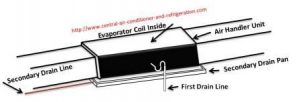
An air conditioner, along with cooling, also takes out the moisture from the air. This moisture then accumulates within the drain lines of the air conditioner and is directed outside. Over time, with the accumulation of dirt and dust, the drain lines can become clogged and even be a home for algae and mold.
It is thus a good idea to periodically clean the drain line. Take off the air conditioner’s outer cover and clean the drain line with a clean piece of cloth. Moreover, you can rinse it with a mixture of water and vinegar, removing any mold which might have formed.
5. Keeping the Outdoor Unit Clear
The outdoor unit is continuously exposed to weather and other environmental factors such as dirt and debris. Furthermore, growth and vegetation can cover the outdoor unit over time and prevent the exhaust air from being ejected effectively. Sometimes, the branches and leaves can even get inside the outdoor unit and interfere with the fan’s smooth functioning.
It makes sense to monitor the area around the outdoor unit, and observe any bushes or leaves that might need trimming. This is a DIY job, which does not take up a lot of time, but can save you significant expenses later on.
6. Get a Smart AC Controller
By making your HVAC system smart, you can access additional features that can help with preventive maintenance. For instance, smart air conditioners or smart AC controllers allow you to monitor your usage history and receive alerts every time your AC may need a filter status cleaning.
Some thermostats can even detect when your AC is not performing optimally or if there is an issue with indoor air quality. These are significant signs of a defective HVAC system.
With other modes such as scheduling or geofencing, you can activate your HVAC systems depending on your set-time or location. This ensures your HVAC system performs efficiently, does not run unnecessarily, nor wastes energy.
Final Thoughts on Preventing HVAC Maintenance Costs
For many obvious reasons, HVAC preventative maintenance is essential. Scheduling routine examinations and following through on correcting minor problems will ensure you enjoy the luxury of a system without the concern of it failing. A well-maintained unit will have less severe problems, meaning less hassle and unnecessary costs.
Don’t wait until winter storms or sweaty summers hit to ensure that your home HVAC system is in good working order. A little effort now will prevent a significant hassle amid a mid-January snowstorm or a Fourth of July sweltering day. Moreover, with HVAC maintenance costs going through the roof, it is best to avoid them.
To lessen the burden and guarantee everything is adequately maintained, consider hiring skilled technicians to handle your HVAC inspection and maintenance. Furthermore, consider backing this up with regular cleaning and smart devices to reduce the burden on your system and save thousands of dollars in the process.
Mold growth is an all-too-familiar problem for commercial property managers. When overlooked, it can cause discomfort and irritation for the building’s occupants while also compromising indoor air quality. To better control mold in your property–and prevent its development–you’ll need to take a closer look at your HVAC system. A trusted provider of quality central air conditioning, All Weather Heating & Air Conditioning, shares the essentials you need to know here.
The fact is, mold doesn’t just appear out of nowhere–it generally forms under specific conditions. Mold requires water, a food source and the right temperature range. The food source is negligible–your commercial property is chock-full of them, ranging from drywall and carpeting to paper, wood and furnishings. The water comes from the excess moisture caused by relative temperatures that encourage mold development–and these are elements where the HVAC system is involved.
Your HVAC system can have a significant effect on the indoor moisture level of your commercial property. If the system isn’t well-designed or has performance issues, not only will it generate moisture that promotes mold growth, it will also give mold spores a handy mode of transportation throughout the building via the ducts. For this reason, make sure to pay attention to your heating and air conditioning system and take measures that allow it to effectively control mold development. These may include:
Checking the coils and drain pans. The coils dehumidify the air and cause condensate water to drip into the drain pan. When water doesn’t drain properly via the deep seal trap in the pan, however, it builds up and encourages mold to grow. Make sure the drain pan is properly cleaned and sloped to prevent this.
Using ventilation and dehumidification equipment. This helps get rid of excess indoor moisture in your commercial property and eliminate the potential for mold growth. All Weather Heating & Air Conditioning offers a wide range of ventilators and dehumidifiers from top manufacturer Bryant® to meet your needs.
Investing in regular HVAC inspections and tune-ups. Some components of your HVAC system can become wet or develop issues that lead to mold growth. These include outdoor air dampers, ducts and air filters. You’ll be able to catch these problems early on–and deal with them as necessary–by turning to All Weather Heating & Air Conditioning for regular inspections and tune-ups.
There are certain obvious benefits of having a HVAC system that most people know of e.g. regulating your indoor temperature. But did you know that there are more benefits of HVAC systems than simply regulating your indoor temperature? That’s right.
Your HVAC system can also offer some health benefits to you. Contaminants such as fungi, dust and bacteria could seriously affect your health when inhaled indoors. The solution? A HVAC system can help prevent this and other issues. Want to learn the health benefits of having an HVAC system? Let’s dive into it.
WHAT ARE THE BENEFITS OF HVAC SYSTEMS?
The HVAC health benefits you ought to know of include:
They help improve indoor air quality. According to the EPA, the quality of indoor air is 2-5 times worse than the air outside. This is mainly because the airflow indoors tend to be more congested than outside air. The contaminated air in your home can cause health problems such as allergies and cold. Having a HVAC system installed at home or office can improve the quality of air you breathe while indoors. A HVAC system does this by continuously exchanging your indoor air with fresh, filtered outdoor air.
They help conserve energy. While the initial investment of acquiring a HVAC system may seem high, you’ll be able to notice some energy-saving benefits every month. Since a HVAC system contains both cooling and heating in one unit, it saves on installation time, space, fees and usage of power. A HVAC system can also be run by renewable energy sources such as solar panels. Also, since a HVAC system’s coolant is non-chlorine based, energy conservation is boosted.
They help regulate moisture indoors. Having the right amount of indoor moisture is beneficial to both your building’s structure and your health. If the moisture is too much, it can cause growth of mold and mildew in your home. Also, if the moisture is too little, it can cause discomfort and heat loss. A HVAC system ensures your indoor moisture is well regulated and consistent. It does this by pulling air that’s warm and moist outside – and sending dry, cool air indoors.
They help you sleep well. A HVAC system that’s well maintained and efficient will ensure you sleep well at night. Sleeping well is vital for your overall health. Since a HVAC system regulates the indoor temperatures and ensures quality flow of air, expect to sleep well with one installed in your home.