Ottos HVAC Blog Otto Nemenz Moves

Otto Nemenz Moves

Otto Nemenz International (ONI) has moved to a huge new facility at 5700 Buckingham Parkway, Culver City, CA 90230.

We usually list specifications for cameras and lenses. Here are a few specs about the new place. These details tell a lot of the story:

  • 38,000 square feet
  • 41 employees
  • 21 prep bays
  • 2 large feature prep rooms
  • 128 parking spaces
  • 345 maximum occupancy (173 in current social distancing times)
  • 1500 sq. ft storage area for camera assistant carts
  • 1250 sq. ft. machine shop
  • 1085 sq ft projection and lens test room with Chrosziel Large Format Projectors
  • New Trioptic Lens Tester
  • 45 truckloads of equipment brought from the former place on Vine St.

This is Otto’s third location. I remember the first storefront at 7531 Sunset Boulevard. Then they move to 870 Vine Street around 1983 with 8 employees.

Otto Nemenz at ONI on Vine Street around 1984.

And now this magnificent facility in Culver City:

Lounge Area and Kitchen at ONI in Culver City.

Otto said, “We certainly didn’t plan it this way, but the place is enormous and we’re lucky to have the latest HVAC system with advanced air filtration. The place is so large that social distancing comes naturally. The prep bays have  23-foot high ceilings. Crews can check out for jobs and remain safe.”

Fritz Heinzle added, “Union and safety committees visited and approved of what they saw. The halls are 12-feet wide. Equipment is returned to the loading dock where it is checked in and sanitized. The vault is fireproof. Prep technicians work with customers in the big, open plan area. Customers sign in, have their temperature checked, receive masks and gloves. We are open for business and are already prepping jobs.”


Prep Floor with 23′ high ceiling

Prep Area in Feature Room with 12′ ceiling.


Instead of fixed camera pedestals and moving lens charts on rails that hang from the ceiling, Otto Nemenz and crew embedded tracks into the floor on which the camera can move. They installed  P.A.T. (Pret à Tourner) Focus Charts from MYT Works in New York. The charts have magnetic backings that attach and move on the perfectly perpendicular walls.

“Having the camera move on tracks frees up a lot of space,” Otto explained.

Trioptic ImageMaster Cine Flex and Chrosziel Projector in the Lens Room

The massive Trioptic ImageMaster Cine Flex is similar to the ones installed at ARRI, Signature Prime manufacturing and QC, ARRI Rental, and elsewhere. Essentially, it’s three motorized telescopes that pivot on the center and off-axis along with a “wheel of fortune” to test, align and check lenses, including MTF values. The data is stored in its computer. So, if you change air gaps or mess with elements, the Trioptic tester will let a technician return the lens back to the default factory settings. It also checks for loose elements and anything else conspiring inside, both before and after a job.

The Chrosziel TP7 is the latest Large Format, LED illuminated, 60mm Image Circle  Projectors.

The lens test room is 50 feet long, so you can check out far distances as well.

Otto summed it up, “This move has been in the works for a long time. We were running out of space in the Vine Street place. We would love to have you come to visit us. Thanks to all the cinematographers, assistants, crews, directors, and producers for all their years of support. We look forward to working together for many years to come.

Related Post

Controlling Mold in Your Commercial Property With Your HVAC SystemControlling Mold in Your Commercial Property With Your HVAC System

Mold growth is an all-too-familiar problem for commercial property managers. When overlooked, it can cause discomfort and irritation for the building’s occupants while also compromising indoor air quality. To better control mold in your property–and prevent its development–you’ll need to take a closer look at your HVAC system. A trusted provider of quality central air conditioning, All Weather Heating & Air Conditioning, shares the essentials you need to know here.

office space with AC on ceiling

Why You Should Keep Tabs on Your Commercial HVAC System

The fact is, mold doesn’t just appear out of nowhere–it generally forms under specific conditions. Mold requires water, a food source and the right temperature range. The food source is negligible–your commercial property is chock-full of them, ranging from drywall and carpeting to paper, wood and furnishings. The water comes from the excess moisture caused by relative temperatures that encourage mold development–and these are elements where the HVAC system is involved.

Your HVAC system can have a significant effect on the indoor moisture level of your commercial property. If the system isn’t well-designed or has performance issues, not only will it generate moisture that promotes mold growth, it will also give mold spores a handy mode of transportation throughout the building via the ducts. For this reason, make sure to pay attention to your heating and air conditioning system and take measures that allow it to effectively control mold development. These may include:

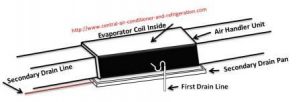
  • Checking the coils and drain pans. The coils dehumidify the air and cause condensate water to drip into the drain pan. When water doesn’t drain properly via the deep seal trap in the pan, however, it builds up and encourages mold to grow. Make sure the drain pan is properly cleaned and sloped to prevent this.

  • Using ventilation and dehumidification equipment. This helps get rid of excess indoor moisture in your commercial property and eliminate the potential for mold growth. All Weather Heating & Air Conditioning offers a wide range of ventilators and dehumidifiers from top manufacturer Bryant® to meet your needs.

  • Investing in regular HVAC inspections and tune-ups. Some components of your HVAC system can become wet or develop issues that lead to mold growth. These include outdoor air dampers, ducts and air filters. You’ll be able to catch these problems early on–and deal with them as necessary–by turning to All Weather Heating & Air Conditioning for regular inspections and tune-ups.

ASK THESE 7 QUESTIONS BEFORE HIRING AN HVAC CONTRACTORASK THESE 7 QUESTIONS BEFORE HIRING AN HVAC CONTRACTOR

Ask These 7 Questions Before Hiring an HVAC Contractor

It’s no secret that a properly functioning HVAC system is crucial to the comfort of your home. But when it comes time to hire an HVAC contractor, how can you be sure you’re getting someone who will do the job right? Here are some important questions to ask before hiring an HVAC contractor in Annapolis, MD:

ARE YOU LICENSED AND INSURED?

When hiring an HVAC contractor, you want to be sure the company is properly licensed and insured. This protects you in case something goes wrong during the job. Be sure to ask for proof of both before moving forward.

When you ask about licenses and insurance, inquire about other credentials the contractor may have. This can include things like industry certifications or training. The more credentials a contractor has, the better.

WHAT’S YOUR EXPERIENCE?

You’ll want to hire a contractor with plenty of experience. Ask about the contractor’s history, how long the company has been in business and the types of projects the company typically works on. The more experience contractors have, the better equipped they will be to handle your project.

With these, you can also ask about references. Good contractors should be able to provide you with a list of past clients who can vouch for their work. This way, you can get first-hand accounts of what it’s like to work with them.

WHAT’S YOUR POLICY ON OVERTIME CHARGES?

Some contractors will charge you extra for overtime, and others won’t. It’s important to know the policy before hiring a contractor because this can be a significant cost if you’re not careful.

You need to understand how contractors charge for overtime. If they charge by the hour, you need to know their hourly rate. If they charge a flat fee, you’ll want to know how much that fee is.

CAN YOU PROVIDE A WRITTEN ESTIMATE?

When hiring a contractor, you’ll want to get a written project cost estimate. This way, there are no surprises down the road. The estimate should contain a list to show exactly what you’re paying for.

Be sure to ask about any other documents the contractor will need, such as a contract or proposal. These can give you additional information about the project and help you make an informed decision.

WHAT’S YOUR WARRANTY POLICY?

Most contractors will offer some warranty on their work. This protects you in case something goes wrong once the job is complete. Be sure to ask about the warranty terms, such as how long it lasts and what it covers.

You should also inquire about any other guarantees the contractor offers. For example, some contractors may guarantee their work for a certain period. Others may offer a money-back guarantee if you’re unsatisfied with the results.

This will help you understand what type of protection you have if something goes wrong. It is also safe practice to save all paperwork related to the warranty in case you need to use it later.

WHAT ARE YOUR PAYMENT TERMS?

HVAC contractors will typically require some payment upfront. This is usually a deposit that goes toward the project’s total cost. Be sure to ask about the payment terms before hiring a contractor.

You’ll also want to know when the final payment is due. Some contractors will require full payment upon completion of the job, while others will give you a grace period to make the payment. It’s important to know this so you can budget accordingly.

WHAT’S YOUR CANCELLATION POLICY?

Sometimes, you may need to cancel your project after hiring a contractor. Knowing the contractor’s cancellation policy is important so you don’t lose your deposit.

Some contractors will allow you to cancel without penalty if you give them enough notice. Others will charge a cancellation fee, which could be a percentage of the total project cost. Be sure to ask about this before hiring a contractor.

6 Benefits of HVAC Maintenance6 Benefits of HVAC Maintenance

6 Benefits of HVAC Maintenance

Regular HVAC maintenance is not only essential for extending the life of your system. It also keeps your family comfortable, safe and healthy. In fact, signing up for an HVAC maintenance agreement can save folks in Union Springs, Alabama, more money than they may realize. Read on to learn about all the benefits HVAC maintenance plans offer.

Fewer System Breakdowns

Homeowners often face stressful, unexpected situations requiring emergency repair. Your HVAC breaking down in the middle of a hot Alabama summer is certainly one of them. With an annual maintenance agreement, you drastically reduce the chances of your system breaking down when you least expect it.

During each maintenance service, your HVAC service technician will check for issues before they have a chance to turn into costly problems. Since your system also gets a tune-up during each service, you can rest assured your air conditioner is in optimal working order.

Reduced Costs

It’s important for your HVAC system to operate efficiently. An optimized system uses less energy to heat and cool a home, which keeps more money in your pocket. If you’ve noticed your utility bills are higher, prioritize scheduling an HVAC maintenance appointment.

You won’t only save on operating costs, though. A maintenance plan also helps you save on repair and replacement costs too.

Regular inspections identify preventable problems so that you aren’t faced with an unexpected bill if the condenser or heat pump fails. Considering the money you could potentially save, a maintenance service agreement is well worth the upfront cost.

Longer System Lifespan

Whether you’ve purchased a house with an HVAC system or you’ve had your own system installed, buying a brand-new HVAC unit probably isn’t on your radar anytime soon. Unfortunately, unless you schedule a regular tune up, your HVAC unit will wear out over time. They simply aren’t engineered to run forever.

Most HVAC systems are designed to last for 10 to 15 years. Signing up for an HVAC service agreement can help reach this milestone or even surpass it. Why take chances with such a major investment? Get your system the attention it needs to keep functioning for years to come.

Healthier Air

A dirty HVAC system can’t supply clean, healthy air to your family. When the ductworks clog with dust, pet dander and other contaminants that are harmful to your family’s health, everyone is at risk.

Sticking with a regular maintenance agreement allows your service technician to clean the coils, fan motor and other system parts. This drastically reduces your exposure to indoor allergies. In fact, regular maintenance is a must for anyone who suffers from asthma, allergies or chronic respiratory problems. Your family will notice a difference almost immediately.

Familiarity

One of the extra perks of sticking to an HVAC maintenance plan is the fact that you get to know your HVAC professionals. Not only do you always know who’s working on your system but the service technicians become familiar with your home and better understand what it needs for your family to enjoy maximum indoor comfort.

Being familiar with one another over the course of an HVAC agreement is always best for everyone involved. That’s because it’s easier to spot problems and communicate needs as they arise. We never charge overtime fees for maintenance services, and we were awarded the AC Southeast Dealer of the Year in 2016. We’re a trusted part of the community, and we love getting to know our homeowners.

Peace of Mind

Everyone wants to feel comfortable at home. With a maintenance service agreement, you can always feel confident that your service technician has gone over the checklist in detail, identifying any potential problems and recommending solutions that will save your family money in the long run. If you’re the type who worries whether your air conditioner will last through the summer, it’s time to call the professionals.

Don’t put off HVAC maintenance any longer. Schedule your next service appointment by calling Ottos-HVAC inc.