Ottos HVAC Blog 4 Reasons You Need Your Ventilation Systems Serviced

4 Reasons You Need Your Ventilation Systems Serviced

Your ventilation system in your home is one of the key elements of your family’s health. The air in your home can be filled with contaminants like airborne spores and germs and can be prone to mold and mildew. Poorly ventilated homes are far more susceptible than those with air conditioning and ventilation systems.

For allergy and asthma sufferers, poor ventilation is a well-known trigger, and creates a very unhealthy environment, causing unnecessary illness. By reducing dampness in the air, by lowering condensation levels, and removing dust and pollen from the air, ventilation systems makes the air cleaner, and your family healthier.

Ventilation systems undoubtedly improve the quality of the air you breathe and can also save you a lot of money. One important thing to know about ventilation systems is that with regular use, comes the requirement to maintain it. Maintenance can include cleaning filters, and general servicing to clean and ensure the system is working to its full capacity. There are of course many other reasons you should service your ventilation system.

Here are 4 Reasons You Need Your Ventilation Systems Serviced:

Preventative maintenance

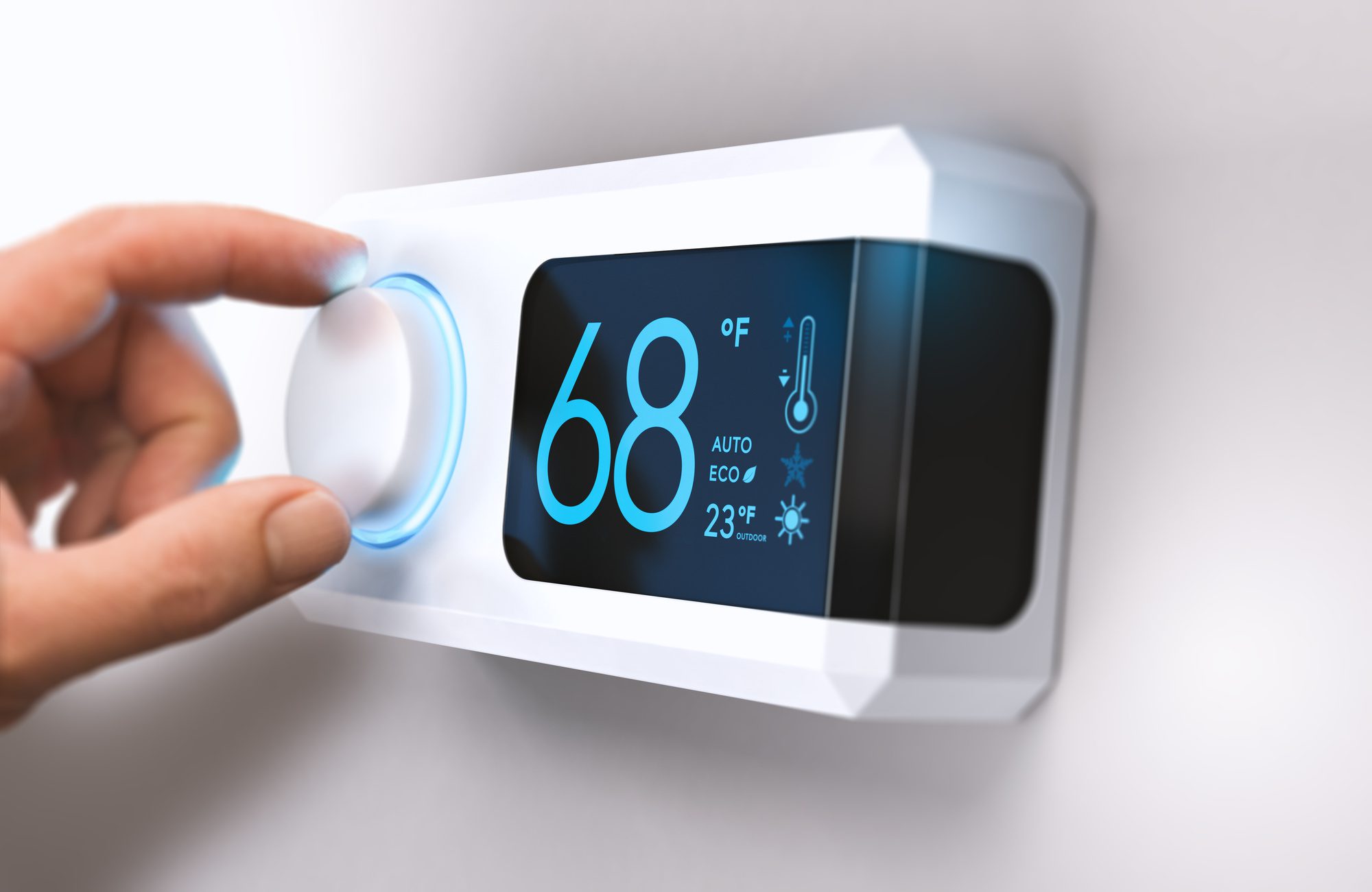
The thermostat that helps to monitor the temperatures of your home is a critical part of your heating, cooling and ventilation system, and without regular maintenance the thermostat can stop working at the capacity or stop working altogether. This can cause your home’s temperature to become out of balance, resulting in the loss of your preferred thermal comfort levels. Preventative maintenance will pick up any small thermostat issues early, allowing you to replace it before it is too late.

Dirty Filters

Regular maintenance includes the cleaning or replacement of dirty or faulty filters. Dirty filters mean air flow will be restricted and the air will not be cleaned as it should be. The only way to ensure the filters are doing the job they are designed for is through maintenance. Filters should be cleaned seasonally, and if you are in a dusty area, it might pay to purchase an extra set of filters to keep in clean storage to replace between seasonal servicing. Dirty filters also reduce the efficiency of the system, forcing the system to run harder and cost you more.

To Rectify Improper Installations or Imbalanced Dampers

Sometimes installation can be rushed or not correctly carried out for many reasons, however servicing your ventilation system allows the technician to find and repair any errors that were previously made upon installation or adjustments. Your ducting can often become unattached inside your roof or walls if it isn’t installed correctly, which can cost hundreds of dollars a year on air going inside your walls rather than where you need it to be.

Incorrectly balanced ducting can also lead to hot or cold spots in areas of the home and servicing the system can easily rectify this problem. Ducting balance can also be altered for the seasons. You house position has a big impact on how the heat is circulated through your home, and some parts are almost always hotter or colder than others naturally. Your service technician can alter the ducting and rebalance it to suit the seasons, to ensure your home is a consistent temperature throughout, all year round.

To Ensure It Runs at Optimum Capacity

For your system to run at its peak performance level, a service technician needs to be able to find and fix problems or faults. This enables your system to run at its best all year. Maintenance is a cost that you might be hesitant at paying for, however when you think about costs of maintenance versus costs of repairs, the money really is worth spending. Just like you service your car, you should service your ventilation system to prevent large costs when something breaks.

Related Post

What is the difference between air conditioning and ventilation?What is the difference between air conditioning and ventilation?

For many, summertime means camping, gardening, and fun days at the pool.

Unfortunately, this time of year can also bring insufferable heat that forces us to crank up the air conditioner and stay indoors.

While being inside is not exactly ideal, learning more about the differences between air conditioning and a whole house fan with air ventilation can allow you to create the cleanest and most comfortable living space for you and your loved ones during muggy days.

In this article we will go beyond the simple facts that air conditioners spit out cool air and ventilation systems pull fresh air into a home. We’ll address questions like: what exactly are the differences between ventilation and ac systems? Are our air conditioners making us sick? Can an air conditioning system provide clean air? And can a ventilation system be used to cool the air?

What is air conditioning?

When we think about ‘air conditioning’ we usually think about systems that remove heat to cool the ambient air. We often have air conditioners in our homes, public buildings, and cars not only to make a space more comfortable, but safer from the dangerous heat.

It’s probably not surprising that an AC unit is one of the best ways to cool off and prevent heat-related illness.

But in reality air conditioning systems provide a living space with a lot more than just a comfortable temperature. Air conditioners work much like refrigeration systems, by not only cooling a space, but simultaneously improving its humidity level and air quality.

How does an air conditioner work?

Air conditioning systems have two main parts: a condensing unit and an evaporator.

The condensing unit is usually located outside the building and contains fans, condensing coils, a compressor, and refrigerant.

The evaporator is often located inside a home. This unit contains evaporator coils, a circuit board, filters, and fans to draw in warm air and disperse cool air throughout a space.

The process starts when the temperature in a room rises above a certain point. The circuit board is triggered and activates fans inside and outside the house. Warm, humid air is taken in by the condensing unit. The compressor sends refrigerant between the condensing coils (outside the house) to the evaporator coils (inside the house).

While this is happening the warm air inside the house is taken in by the evaporator and blown across the evaporator coils that contains refrigerant. Heat and moisture are removed during this process and cold air is returned to the living space. This process continues until the thermostat finds that the room is at a desirable temperature.

What is the cost of air conditioning?

Costs of installing and operating central air conditioning can vary significantly depending on the size of the home and the difficulty of installing additional components such as ductwork.

The typical range of central air installation is usually between $3,700 and $7,250 according to homeadvisor.com.

What are the benefits of air conditioning?

An efficient air conditioning system will function by cooling homes and removing moisture regardless of the outside temperature. This is especially important in extremely hot and humid areas where indoor air conditioning is the only solution to escaping these outside conditions.

Humidity control is another benefit that air conditioning systems have on the overall air quality in a building. Harmful microbes like mold do not handle the cooler and drier environments that humans thrive in.

What are the downsides of air conditioning?

The price of installing, maintaining, and operating central air conditioning systems can be quite costly compared to, say, natural ventilation.

Another potential downside of air conditioning is the associated health concern. Many people believe that breathing in contaminants from their air conditioning systems could make them sick.

While it is possible that your air conditioner may make you sick, it’s unlikely.

In fact AC systems are beneficial and sometimes even vital to our health. Apart from the heat protection that air conditioners provide, healthy indoor air quality and clean air is an obvious benefit. If maintained and cleaned regularly, air conditioning systems will help filter out pollen, mold, and pollution from your living environment.

In a few rare cases the water in air conditioning units have become infected with a bacterium called Legionella which causes Legionnaires’ disease in humans. While the disease could be quite dangerous, outbreaks seldom occur and the disease is usually treatable.

What is air ventilation?

Ventilation provides a building with fresh air by pulling clean outdoor air into a building. It can also remove dirty or stale indoor air from a space by pushing it outdoors.

While air conditioning systems perform the same process of air circulation (and are thus a type of ventilation system), there are several types of ventilation that we don’t generally associate with air conditioning systems.

Natural ventilation is the most simple type of ventilation. Opening windows to allow air flow may be all that’s necessary in mild climates to provide a home with fresh air. If the weather outside is suitable, natural ventilation could also cool down a home (meaning no need for an air conditioner that contains refrigerants).

Mechanical ventilation systems are a little more complex than just letting air flow in and out through a building’s openings. These systems often use fans and vents to pull air into and push air out of a home.

Central air conditioning and heating systems are both modes of mechanical ventilation. As we’ve said above, air conditioners remove a volume of warm, moist air from a space and replace it with cool, clean air.

How does an air ventilation system work?

Natural ventilation relies on the stack effect. Air always moves from areas of high pressure to low pressure areas, meaning that until equilibrium is met there will be air flow and circulation in and out of a building.

Balanced mechanical ventilation systems such as central air conditioning, once activated, use fans to move air in and out of the home at an equal volume.

What is the cost of air ventilation systems?

Natural air ventilation systems can be fairly cheap to install and essentially free to run because of its energy efficiency. While costs are, of course, dependent on a number of factors windows are often just a few hundred dollars to install.

Mechanical ventilation systems can range in price from essentially free for simple bathroom exhaust fans to thousands of dollars for a complicated HVAC system.

What are the benefits of air ventilation systems?

All ventilation systems improve air quality by providing and circulating fresh air throughout a home.

Some modes of ventilation, especially ‘natural ventilation’ systems are extremely energy efficient and cheap to install, run, and maintain.

If outdoor conditions are right, natural ventilation could even cool a home down.

What are the downsides of air ventilation systems?

The major downside to natural ventilation is that outdoor conditions need to be desirable to be effective. Natural ventilation is just not ideal in extremely hot, humid, or frigid climates.

So, is there a difference between air conditioning and air ventilation?

Simply, air conditioning systems cool a home down and ventilation systems provide a space with fresh air from the outdoors.

However, both systems provide more than solely what their name may implies.

Air conditioning systems are a type of ventilation (specifically mechanical ventilation) because they provide a space with cool, fresh air. Some air conditioning systems qualify as ‘balanced ventilation’ because they also remove stale and polluted air from a building.

So, obviously some types of ventilation provide cooler air, but it is not true that all ventilation systems can cool down a building.

If the outdoor conditions are right, natural ventilation can provide an extremely cheap alternative to complicated air conditioning systems.

Ideally a home takes advantage of both cooling and moisture-removing aspects of air conditioning as well as the fresh air and energy efficiency provided by ventilation.
5 Questions You Must Ask Before Buying a Used HVAC System5 Questions You Must Ask Before Buying a Used HVAC System

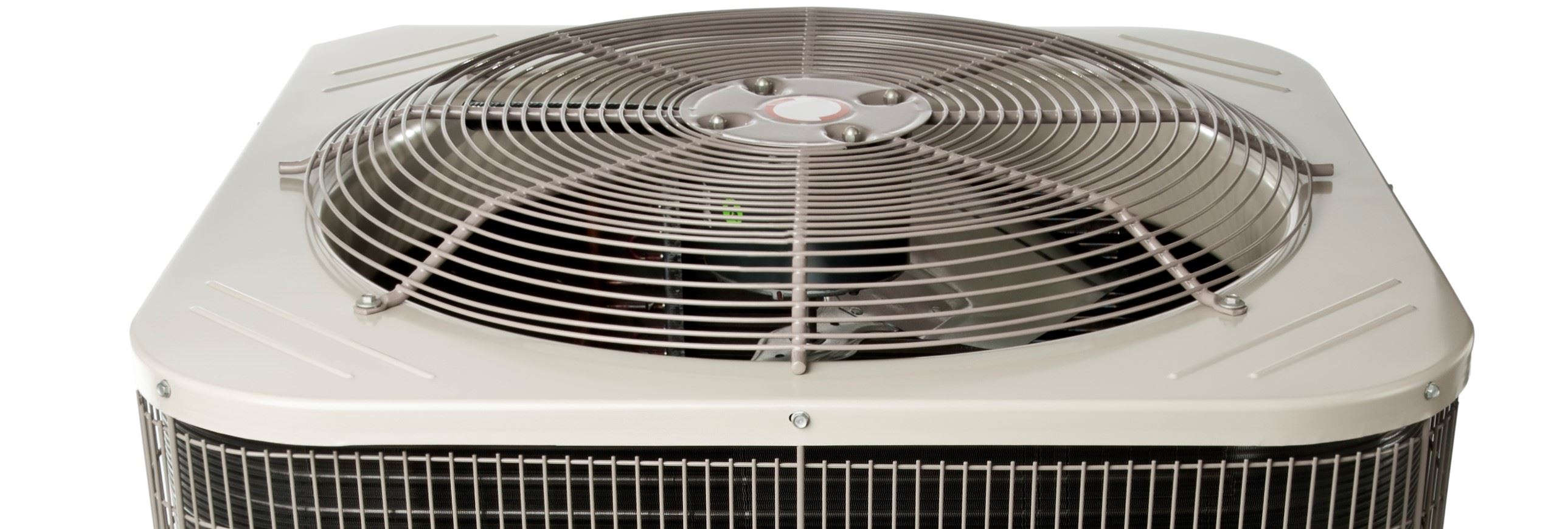
HVAC unit against a white background.

Summer without air conditioning can be downright miserable in the Fairfax area. If your air conditioner goes out and money is tight, you may be considering buying a used HVAC system to save on the cost of a new one. Today we’re going to answer some common questions about buying used HVAC equipment.

1. What Do You Know About the Equipment?

When you buy a new HVAC system, you generally focus on buying a good brand. You don’t have to worry too much about the individual unit you’re buying. Since it’s new, it’s unlikely to have developed any problems. If you find that there’s a manufacturer’s defect, that’s typically covered by warranty. You can be pretty confident you’re getting a machine that will work well for the foreseeable future.

When you buy used, you don’t have that assurance. You have to learn what you can about the equipment’s history. If you’re buying a barely used system from a reputable dealer, you may be getting a good deal. If you’re buying it from a homeowner, you need to ask yourself why he’s selling it in the first place. Does it even work? Did he maintain it? How often has it needed repairs before now? If you can’t be confident that the equipment is in as good shape as the seller says, you’re taking a huge chance by buying it.

2. Is There Any Kind of Warranty?

New equipment typically comes with a manufacturer’s warranty. The coverage of the warranty varies based on the manufacturer, but major brands typically offer a 10-year limited warranty.

While you can transfer many warranties if you sell your home, you can’t transfer them if you remove your HVAC system from the property where it was originally installed.

3. Are You Buying the Right Equipment For Your Home?

Correct air conditioner sizing is vital for good performance. When your A/C is the wrong size, you either waste energy with a system struggling to keep up, or you end up with moisture build-up from a system cycling off too frequently. If you don’t know how to calculate the correct size of the HVAC system you need, you run the risk of buying equipment that causes more problems than solves.

4. Who Will Install Your Equipment?

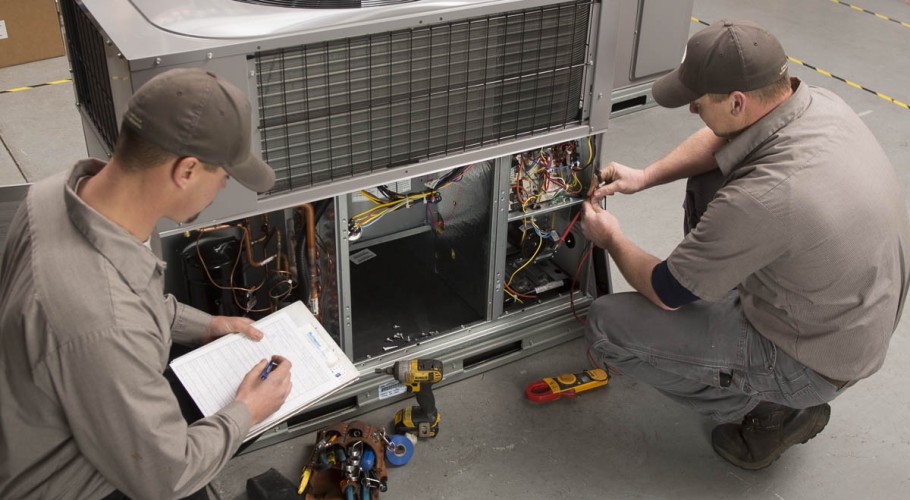
Professional HVAC installers are often reluctant to install any system that they can’t guarantee will work. If an installer puts in a used system and it doesn’t work, there’s no way of telling if the fault was with the equipment or the installation.

That leaves you with general contractors — or your neighbor’s cousin — who may or may not know much about air conditioner installation. Since one of the biggest causes of A/C malfunction is improper installation, you’re taking a big risk.

5. What If I Want New Equipment But I’m Not Made of Money?

There’s no doubt new HVAC equipment is a big investment. However, the benefits of having a new system with a full life ahead of it can’t be ignored. New systems tend to be more energy-efficient, so you save money on your energy bills. The security of professional installation and warranties are important factors to balance against the lower cost of used equipment.

GET ANSWERS TO THE 10 MOST COMMON HVAC PROBLEMSGET ANSWERS TO THE 10 MOST COMMON HVAC PROBLEMS

While some HVAC issues are simply a matter of cleaning coils and filters, many of the 10 most common heating and cooling system problems will develop into much bigger concerns if not serviced early. Most of these can be avoided with regular preventive maintenance calls. It is wise to have your system checked annually to prevent outages during extreme weather.

The 5 Most Common Commercial HVAC Problems

1) LACK OF MAINTENANCE
Regularly scheduled maintenance by a licensed service contractor is a MUST to keep your system in proper working order. Many of the most common furnace problems can be avoided with proper maintenance by a certified service contractor. You have likely invested thousands of dollars in your home heating system. Why not protect that investment? If you neglect to perform regular maintenance you will most likely experience unexpected costly breakdowns, increased energy cost, poor performance and frustration.

Protect your investment and gain peace of mind by calling Jennings Heating at (330)355-3135 to have a NATE certified technician inspect your HVAC system today.

2) DIRTY FILTERS

How often should I change my filters? - PAC Plumbing, Heating, Air  Conditioning
Replacing your filter regularly is one of the most important things you can do to extend the life and efficiency of your furnace. If your filter is dirty it will restrict airflow causing your unit to work much harder to circulate air through your home. This puts unnecessary strain on your furnace’s’ blower and will result in comfort issues as well. A dirty filter can also cause the furnace to overheat and shut off on high limit.

3) PILOT OR IGNITION PROBLEMS
Ignition problems can result from a number of causes. A dirty pilot, flame sensor, or burners can cause a pilot outage, short cycling, furnace lockout, or delayed ignition of the burners. It could also be a result of a gas supply problem or just wear and tear of an ignition component that needs replaced like the hot surface ignitor or thermocouple. Either way, it is best to have these problems handled by a trained service technician since this deals with dangerous elements like natural gas and high voltage.

4) THERMOSTAT MALFUNCTIONS

7 Crucial Thermostat Issues That Can Lead to HVAC Problems
There are many different thermostats, both programmable and non-programmable. Frequently, when a homeowner believes their furnace is not operating properly, it is an issue with the thermostat or how it is set. Referring to your owner’s manual and reviewing the operating instructions may prevent you from paying for a costly or unnecessary service call. Programmable thermostats may have batteries which need replaced periodically. If still malfunctioning, problems can be quickly diagnosed by a service technician.

5) MECHANICAL WEAR AND TEAR
There are a number of mechanical components your heating system relies on. Your units performance can be negatively impacted by normal wear and tear of these components. These include belts and bearings, which may result in overheating, poor heating, or airflow issues. Regular maintenance should include checking for worn or stretched belts and oiling bearings and motors if necessary.

6) UNUSUAL FURNACE NOISES
Some furnace noises are part of normal operation, while others may be a warning or indication of a mechanical problem. A whining or squealing motor can be an indication that the bearings in an inducer motor or blower motor are failing. Replacement of the motor may be required to avoid a furnace failure. Other noises may be caused by airflow issues or dirty burners. Either way, it is best not to ignore these signs as they may be a warning of a dangerous operating condition or could lead to a furnace failure.

7) BLOWN FUSES OR TRIPPED BREAKERS
The most common reason the furnace trips a circuit breaker is that the blower is overworking. If something is blocking airflow to your system, your blower has to work harder to compensate. The most common cause is a dirty air filter. When the air filter is dirty your blower has to work harder to force air through the filter. This increases the blower’s energy consumption and can sometimes trip the circuit breaker. Check your filter and replace it with a clean one before resetting your circuit breaker. If the problem recurs, it is best to contact a professional who can safely determine if the issue is caused by a furnace problem or if the circuit breaker itself may have malfunctioned. Other issues that can make the blower overwork include duct leaks, closed or blocked-off air registers or dirty coils.

8) DIRTY CONDENSER OR EVAPORATOR COILS
Chances are, regular maintenance on your air conditioner has been neglected it isn’t cooling as well at it could be. Dirt and debris can clog the coils of your system, significantly reduce the efficiency and wear it out sooner. You can hose off the outdoor coil after shutting off the power to the condenser. Power can be shut off at the electrical disconnect near the condenser or at the electric panel. The indoor evaporator coil can become dirty, especially if the furnace filters is not changed frequently. A dirty evaporator coil can reduce the efficiency of both your furnace and air conditioner and make your system work harder. Extremely dirty coils will need to be cleaned by a trained service technician.

9) BLOWER RUNS CONTINUOUSLY
There are a few reasons a furnace blower may run continuously. Before calling for service, check the fan switch on the thermostat. The motor will run continuously when the thermostat is set to the fan on position. It often happens that homeowners accidentally switch the fan switch to on.

There is a fan relay in the furnace that turns the blower on when there is a call for heat; if the relay sticks, the blower will not shut off. There are several types of safeties and limits on the furnace. If activated, the circuit board may bring on the furnace to cool it down. If the limit or safety does not reset, the blower will not shut off. A trained service technician can evaluate this problem and offer repair options.

10) WATER LEAKS
Both air conditioners and high efficiency furnaces produce condensate. Drain pipes are employed to ensure proper water drainage. Furnaces can leak water if the drain lines are either clogged or cracked. A homeowner can help keep the drain lines clean by pouring bleach down the drain periodically. Other possible leak sources could be the collector box, heat exchanger or evaporator drain pan. A service technician should be contacted to determine the source of the water leak and repair options.

For more information on any of these common problems or any other HVAC questions you may have, contact the experts .