Ottos HVAC Blog Health Benefits of having an HVAC system

Health Benefits of having an HVAC system

Exterior HVAC fans in an Atlanta backyard

There are certain obvious benefits of having a HVAC system that most people know of e.g. regulating your indoor temperature. But did you know that there are more benefits of HVAC systems than simply regulating your indoor temperature? That’s right.

Your HVAC system can also offer some health benefits to you. Contaminants such as fungi, dust and bacteria could seriously affect your health when inhaled indoors. The solution? A HVAC system can help prevent this and other issues. Want to learn the health benefits of having an HVAC system? Let’s dive into it.

WHAT ARE THE BENEFITS OF HVAC SYSTEMS?

The HVAC health benefits you ought to know of include:

  1. They help improve indoor air quality. According to the EPA, the quality of indoor air is 2-5 times worse than the air outside. This is mainly because the airflow indoors tend to be more congested than outside air. The contaminated air in your home can cause health problems such as allergies and cold. Having a HVAC system installed at home or office can improve the quality of air you breathe while indoors. A HVAC system does this by continuously exchanging your indoor air with fresh, filtered outdoor air.
  2. They help conserve energy. While the initial investment of acquiring a HVAC system may seem high, you’ll be able to notice some energy-saving benefits every month. Since a HVAC system contains both cooling and heating in one unit, it saves on installation time, space, fees and usage of power. A HVAC system can also be run by renewable energy sources such as solar panels. Also, since a HVAC system’s coolant is non-chlorine based, energy conservation is boosted.
  3. They help regulate moisture indoors. Having the right amount of indoor moisture is beneficial to both your building’s structure and your health. If the moisture is too much, it can cause growth of mold and mildew in your home. Also, if the moisture is too little, it can cause discomfort and heat loss. A HVAC system ensures your indoor moisture is well regulated and consistent. It does this by pulling air that’s warm and moist outside – and sending dry, cool air indoors.
  4. They help you sleep well. A HVAC system that’s well maintained and efficient will ensure you sleep well at night. Sleeping well is vital for your overall health. Since a HVAC system regulates the indoor temperatures and ensures quality flow of air, expect to sleep well with one installed in your home.
Related Post

The Ultimate Guide to Choosing the Right Marketing Company in CharlotteThe Ultimate Guide to Choosing the Right Marketing Company in Charlotte

Introduction

In today’s fast-paced digital world, effective marketing is crucial for any business looking to thrive. If you’re a business owner in the Queen City, you might be wondering how to find the best marketing strategies to reach your target audience. This is where a marketing company in Charlotte can offer valuable insights and expertise. In this article, we’ll explore what you need to know when choosing the right marketing partner in Charlotte.

Understanding Your Marketing Needs

Before seeking a marketing company in Charlotte, it’s essential to assess your specific marketing needs. Consider what you hope to achieve, whether it’s increasing brand awareness, generating leads, or improving customer engagement. Knowing your goals will help you communicate effectively with potential marketing firms and ensure they align with your vision.

Evaluating Options: Key Features to Look For

When searching for a marketing company in Charlotte, there are several key features to consider:

1. Experience and Expertise

Look for a company with a proven track record of success in various marketing strategies. Their experience in different industries can offer invaluable insights tailored to your specific market.

2. Range of Services

A full-service marketing agency can provide a comprehensive approach to your marketing needs. Services may include SEO, content marketing, social media management, and more. This diversity can help ensure all aspects of your marketing are aligned and working towards the same goals.

3. Understanding Local Market Dynamics

Choosing a marketing company in Charlotte that understands the local market can give you a significant edge. They will be familiar with regional trends, customer behaviors, and competitive landscapes that can affect your marketing strategy.

The Importance of SEO

In the digital age, Search Engine Optimization (SEO) is critical for online visibility. A knowledgeable marketing company will emphasize the importance of SEO in their strategies. If you are looking for quality services, consider connecting with a reliable Charlotte SEO and marketing company in Charlotte that can help your business rank higher in search engine results.

Assessing Results: Metrics that Matter

Finally, it’s vital to understand how to evaluate the results of your marketing campaigns. Work with your chosen marketing company to set clear metrics that will help measure success, such as website traffic, conversion rates, or social media engagement.

Conclusion

Finding the right marketing company in Charlotte can be a game-changer for your business. By understanding your needs and evaluating your options carefully, you can partner with a marketing firm that not only understands the local market but also has the expertise to help you achieve your goals. Whether you’re a startup or an established business, the right marketing strategy is essential for growth.

Keep It Running: 7 Essential Types of HVAC MaintenanceKeep It Running: 7 Essential Types of HVAC Maintenance

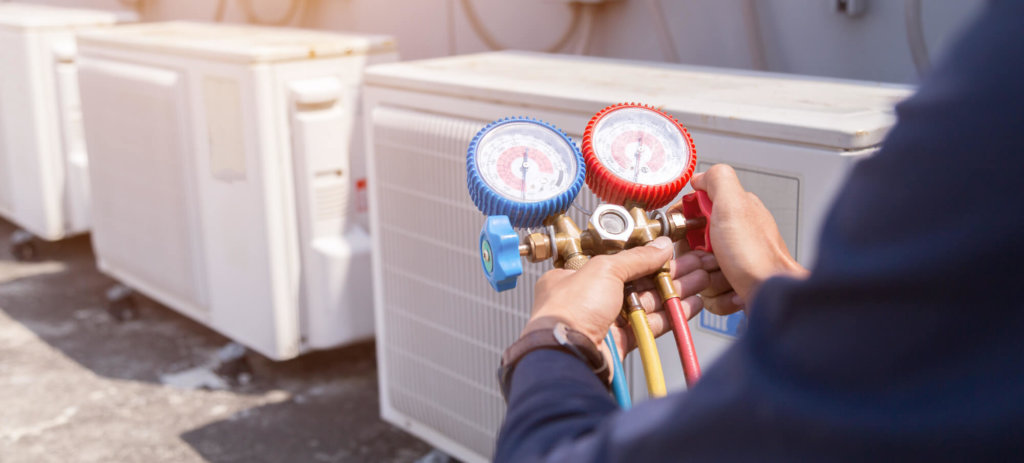
Technician is checking air conditioner ,measuring equipment for filling air conditioners.

As unfortunate as HVAC repairs are, the good news is many can be prevented or delayed with the right maintenance. Learn more here.

A new furnace can cost you anywhere from $2,000 to $7,000 on average, depending on the size of your house. A new central air conditioner, meanwhile, can cost between $2,500 and $15,000.

There will come a time when you need to replace both. But you can delay those replacements with proper maintenance on your HVAC system.

When you maintain your home’s HVAC system, you can steer clear of costly repairs. You assure you get as much life out of your HVAC system as possible before needing HVAC replacement.

Here are 7 essential kinds of HVAC maintenance:

1)  Replace Air Filter Regularly

The air filter inside your HVAC system is arguably its most important component. It protects your HVAC system by shielding it from:

  • Dirt
  • Dust
  • Allergens
  • Pet dander
  • Smoke & smog

Use a high-quality air filter and set a reminder to replace it every three months so your HVAC system runs efficiently. This reduces the risk of it breaking down ahead of schedule.

It’s one of the most essential types of HVAC maintenance.

2)  Clear Area by Furnace and AC Unit

Most furnaces are located in utility closets or basements. So it’s common for clutter to grow around them.

Don’t let too much stuff linger outside your furnace. It makes it hard for you to access your furnace and gathers dust, which can work its way into your furnace. Keep the area clear of clutter at all costs.

From the AC unit outside, clear away:

  • Dirt
  • Leaves & sticks
  • Grass clippings
  • Toys
  • Other debris

Nothing should be atop or against your AC unit.

Assure your AC unit is level. It also should sit on a concrete pad to prevent it from sinking into the lawn.

3)  Clean Evaporator and Condenser Coils

You have evaporator coils inside your HVAC system and condenser coils outside in your AC unit. Both play an important part in keeping your home cool in the heat.

  • Evaporator coils take the warm air inside your home and strip it of humidity so it can be efficiently cooled.
  • Condenser coils push hot air out of your home out so the indoor temperature is comfortable.

Both evaporator and condenser coils must be kept clean to let your HVAC system do its job. Both can get clogged with dirt and debris.

4)  Remove Blower Dirt, Dust, and Debris

Your HVAC system creates as much warm or cool air as you want, depending on the season. But if its blower doesn’t work, that “conditioned” air never makes it through your home.

Your HVAC blower sends warm or cool air  through the ductwork and air register. To work properly, clean it every month or so to get rid of dirt, dust, allergens and debris.

Test the blower to assure it does more than just make noise when your HVAC system runs.

5)  Don’t Let Condensate Drain Clog

The condensate drain in your HVAC system plays an important role. It takes the moisture your evaporator coils remove from the air and drains it away it.

Over time, mold, algae, allergens and more can clog your condensate drain. There’s simply no way for the moisture to drain away. This increases the humidity in your home and potentially causes serious HVAC problems.

Pour a mixture of bleach and water down the condensate drain each year to clear the drain. This should prevent clogs from forming in the first place.

6)  Check and Clean Air Ducts as Needed

When did you last inspect and clean ed the air ducts in your home?

If it’s been a while, a lot of dust and allergens has built up inside them. In some cases, even mold and mildew can grow in air ducts and send mold spores throughout your home.

The National Air Duct Cleaners Association recommends you clean air ducts about once every 3 to 5 years. Besides removing dust, such cleaning also reduces strain on your HVAC system.

7)  Open Air Registers and Keep Them Clear

Opening more of your home’s air registers also reduces HVAC strain.

Make sure at least 80 percent of your air registers are always open. Clear the areas around them to assure uninterrupted air flow.

This lets the warm or cool air spread throughout your home. You’ll notice a big difference when you open more air registers.

Make HVAC Maintenance a Priority

Regular maintenance extends the life of your HVAC system and reduces your energy costs.

But there will be times when you’ll need an HVAC professional. We provide the residential, commercial and industrial HVAC services you need to keep your HVAC system going strong.

What Percentage Should You Mark Up Your Material for Doing HVAC WorkWhat Percentage Should You Mark Up Your Material for Doing HVAC Work

HVAC companies that service residential and commercial heating and air systems have an important job — no one likes to be hot in the summer and cold in the winter. Even though people need your services, they don’t want to pay an exorbitant amount to get their HVAC systems repaired or replaced. At the same time, you need to make enough money to pay your staff and your bills.

Break-Even Point

  1. Before you decide on how much to mark up your materials, know how much you need to make on the job to break even. Add up all your bills and divide that by the number of jobs your staff typically complete in a month. Calculate the number of hours the job should take, how much your staff person makes per hour — including costs such as health insurance and workers’ compensation — how much your charge per hour and the cost of the materials. If you need $50 per hour to cover all your staff costs and you charge $100 per hour for labor, that’s $50 toward your break-even point. If you need a profit of $100 per job to keep yourself in business, mark up the materials accordingly so they make up the other $50.

Markup vs. Margin

  1. Markup and your profit margin are calculated differently. The amount you mark up your materials doesn’t equal your profit margin percentage. Understand the difference so you can more accurately set your markups to make the profit you’re expecting. For a part that you paid $100, marking it up to $150 gives you a 50 percent markup: multiply 100 by 0.50 to get a $50 markup. To get your margin, divide the markup — in this case $50 — by your cost, $100. You get 0.33, or 33 percent. In this example, a 50-percent markup equals a 33 percent profit margin.

Parts Markup

  1. A standard markup in a non-retail business is 100 percent, meaning you charge the customer twice what you spent on the part or material. This requires accurate bookkeeping and estimating skills because prices change constantly. Know what you spent on each part before you can mark it up correctly. Your overall cost for the job also includes a labor markup, charging more per hour for your technician’s time than you pay him. These two markups can work together to make your business profitable. When you mark up your materials by 100 percent, you typically mark up your labor less, such as 25 percent.

Overall Markup

  1. Instead of setting a percentage to mark up your materials, provide overall job estimates. Decide how much you need to make on each job and provide an estimate that increases the total by a percentage instead of breaking labor and materials into different pieces that need to be marked up. For example, if your actual labor cost, including insurance and commissions, is $400 and your materials are $300, your total cost to do the job is $700. Mark that up so you get a net profit of 30 percent by dividing $700 by 0.70, and you get an increase of $300, for a total customer cost of $1,000. Set your overall markup percentage based on your break-even point to ensure that the job makes enough to pay your bills and, hopefully, makes a profit for the company.