Ottos HVAC Blog Benefits of Hiring a Professional HVAC Contractor

Benefits of Hiring a Professional HVAC Contractor

Why Hire Expert HVAC Company

Hiring a skilled HVAC contractor has several advantages, whether you need a newly designed heating and cooling system or repairs and maintenance on your current one. Professionals have the knowledge and skills to ensure the property is safe and your system is working properly no matter what. They can repair, install, and maintain any HVAC unit that you have. That’s why, if you have problems with your air conditioner, make sure to contact the experts.

Here are the benefits that you might enjoy if you do so:

Complete the Task Properly

Professional HVAC technicians have years of expertise and are well-versed in the HVAC system’s ins and outs. They are capable of resolving any issue, no matter how complex. It’s because they are well-trained and equipped. Their experience and training can assist them in detecting other difficulties that you were unaware of, and they will work quickly to resolve them. An HVAC contractor can quickly install your system and inspect it thoroughly.

Increase System Longevity

Scheduling an HVAC repair now and then because your air conditioner isn’t operating is both costly and time-consuming. And the regular damages are a sign that your HVAC system isn’t going to last as long as it should. There would be no need for regular maintenance with a proper HVAC installation. Once your air conditioner is installed, you only have to arrange seasonal tune-ups and maintenance services. And it will last a long time.

Safe and Effective Service

Touching some electrical parts, fan blades, and other sharp metallic things are required when servicing your air conditioner. If you don’t have the proper training to perform this repair, you risk electrocution or cutting yourself. Worse, you could set fire to your home. An HVAC contractor is equipped and taught with safety precautions to prevent injuries. They also know which sections of your air conditioning system require special care.

Related Post

Keep It Running: 7 Essential Types of HVAC MaintenanceKeep It Running: 7 Essential Types of HVAC Maintenance

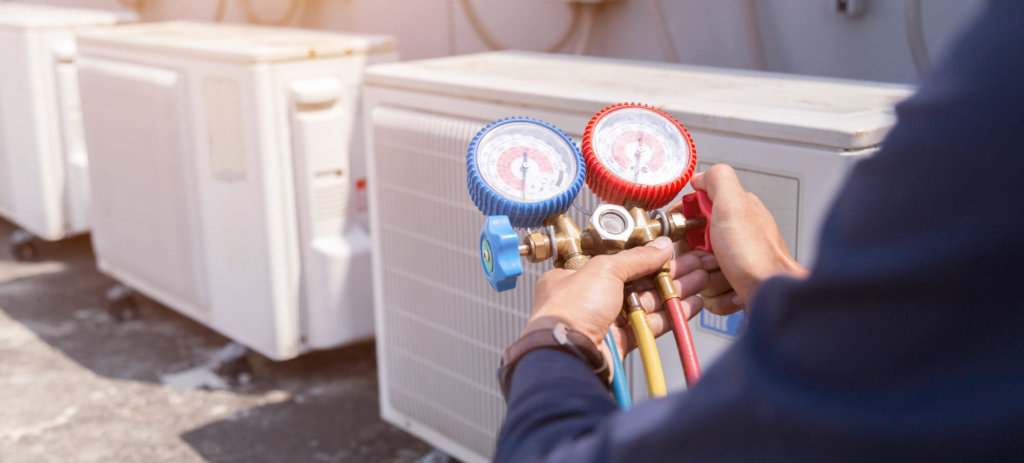
Technician is checking air conditioner ,measuring equipment for filling air conditioners.

As unfortunate as HVAC repairs are, the good news is many can be prevented or delayed with the right maintenance. Learn more here.

A new furnace can cost you anywhere from $2,000 to $7,000 on average, depending on the size of your house. A new central air conditioner, meanwhile, can cost between $2,500 and $15,000.

There will come a time when you need to replace both. But you can delay those replacements with proper maintenance on your HVAC system.

When you maintain your home’s HVAC system, you can steer clear of costly repairs. You assure you get as much life out of your HVAC system as possible before needing HVAC replacement.

Here are 7 essential kinds of HVAC maintenance:

1)  Replace Air Filter Regularly

The air filter inside your HVAC system is arguably its most important component. It protects your HVAC system by shielding it from:

  • Dirt
  • Dust
  • Allergens
  • Pet dander
  • Smoke & smog

Use a high-quality air filter and set a reminder to replace it every three months so your HVAC system runs efficiently. This reduces the risk of it breaking down ahead of schedule.

It’s one of the most essential types of HVAC maintenance.

2)  Clear Area by Furnace and AC Unit

Most furnaces are located in utility closets or basements. So it’s common for clutter to grow around them.

Don’t let too much stuff linger outside your furnace. It makes it hard for you to access your furnace and gathers dust, which can work its way into your furnace. Keep the area clear of clutter at all costs.

From the AC unit outside, clear away:

  • Dirt
  • Leaves & sticks
  • Grass clippings
  • Toys
  • Other debris

Nothing should be atop or against your AC unit.

Assure your AC unit is level. It also should sit on a concrete pad to prevent it from sinking into the lawn.

3)  Clean Evaporator and Condenser Coils

You have evaporator coils inside your HVAC system and condenser coils outside in your AC unit. Both play an important part in keeping your home cool in the heat.

  • Evaporator coils take the warm air inside your home and strip it of humidity so it can be efficiently cooled.
  • Condenser coils push hot air out of your home out so the indoor temperature is comfortable.

Both evaporator and condenser coils must be kept clean to let your HVAC system do its job. Both can get clogged with dirt and debris.

4)  Remove Blower Dirt, Dust, and Debris

Your HVAC system creates as much warm or cool air as you want, depending on the season. But if its blower doesn’t work, that “conditioned” air never makes it through your home.

Your HVAC blower sends warm or cool air  through the ductwork and air register. To work properly, clean it every month or so to get rid of dirt, dust, allergens and debris.

Test the blower to assure it does more than just make noise when your HVAC system runs.

5)  Don’t Let Condensate Drain Clog

The condensate drain in your HVAC system plays an important role. It takes the moisture your evaporator coils remove from the air and drains it away it.

Over time, mold, algae, allergens and more can clog your condensate drain. There’s simply no way for the moisture to drain away. This increases the humidity in your home and potentially causes serious HVAC problems.

Pour a mixture of bleach and water down the condensate drain each year to clear the drain. This should prevent clogs from forming in the first place.

6)  Check and Clean Air Ducts as Needed

When did you last inspect and clean ed the air ducts in your home?

If it’s been a while, a lot of dust and allergens has built up inside them. In some cases, even mold and mildew can grow in air ducts and send mold spores throughout your home.

The National Air Duct Cleaners Association recommends you clean air ducts about once every 3 to 5 years. Besides removing dust, such cleaning also reduces strain on your HVAC system.

7)  Open Air Registers and Keep Them Clear

Opening more of your home’s air registers also reduces HVAC strain.

Make sure at least 80 percent of your air registers are always open. Clear the areas around them to assure uninterrupted air flow.

This lets the warm or cool air spread throughout your home. You’ll notice a big difference when you open more air registers.

Make HVAC Maintenance a Priority

Regular maintenance extends the life of your HVAC system and reduces your energy costs.

But there will be times when you’ll need an HVAC professional. We provide the residential, commercial and industrial HVAC services you need to keep your HVAC system going strong.
WHY WATER HEATERS ARE SO IMPORTANTWHY WATER HEATERS ARE SO IMPORTANT

Why water heaters are so important

Water heaters are essential to our wellbeing and daily living. Although we sometimes take them for granted, water heaters allow us to wash dishes with ease, or warm up in the shower after a cold day outside. They even affect our washing machines, and help maintain the integrity of our clothes with warm cycles. Without a water heater, we would resort to manually heating water, which would be a waste of energy, time, and effort, which is why these systems are so functional and important in your home.

As users, we tend to notice such systems only when something goes wrong and our day-to-day activities are interrupted. Although people often get routine plumbing maintenance checks, water heater checks remain forgotten. This can lead to dramatic (even dangerous) issues later, leading to expensive repair or replacement costs.

Let’s dive deeper into this topic, and why water heaters are so important in every household in Toronto.

TEMPERATURE REGULATION

Starting with the basics, heating systems allow us to toggle between hot and cold water usage. The temperature depends on the task at hand; typically, cleaning is done with lukewarm water, while showering or washing hands requires warmer water.

An efficient water heater moves quickly between hot and cold water, and doesn’t run out of hot water quickly. As soon as you start to notice your water taking longer to warm up, or your hot showers getting shorter, it is a sign that something is amiss with your heater and its output is starting to deteriorate. Another sign that your system isn’t working properly is if the pilot light does not turn on, which indicates that the water isn’t warming up internally.

WATER CONSERVATION

We all recognize the importance of conserving water. Good quality water heaters work quickly so that as soon as the tap is switched, you receive hot water. If you have to run the tap for a couple minutes before your water is heated, it’s a sign that your system is either of mediocre quality or that a repair is pending. Running water when not needed (even if it’s for a couple minutes) can really add up on your monthly water bill.

ENERGY CONSERVATION

Similarly, water wastage or inefficiency can significantly impact your energy consumption. Most systems use gas or electricity to heat water, and if your system is running for a long time without heating up, it utilizes more energy. Not only is this not great for the environment, but it also comes with higher utility bills. This can easily be avoided with the right model, and then routine maintenance and repairs if needed.

Here is when the kind of heater you have comes into play. For example, a tank water heater keeps your water stored at a constant temperature regardless of which temperature you require at the time. A tankless heater will not heat water unless you turn the hot water tap, so you can expect energy to be saved with this system.

TYPES OF WATER HEATERS

However, which system should you choose? It can be intimidating trying to decide between a tankless heater or tanked, and then considering the size and output level. Make sure to reach out to professionals who can recommend another system if your current water heater is not meeting your needs. We’ve been in the water heater business for a long time, and our experts believe that the benefits of a tank system greatly outweigh those of a tankless. Local professionals will give you accurate recommendations based on your usage, as well as other factors such as the local weather. As we experience low temperatures in the GTA, it is important to pick the right heater that can withstand issues such as pipes freezing or lines breaking.

MAINTENANCE AND REPLACEMENT

Often, water heater issues are a result of a lack of routine checks. In this case, maintenance by a professional will do the job. If the issue is more serious, a repair can restore the system back to new. We strongly recommend not attempting a DIY fix or hack to your water heater; often, this can create new, more dangerous issues. Lack of professional knowledge can lead to short circuits, line breaks, and even personal harm through burns by sudden spurts of extremely hot water.

During remodelling or renovating your space, it may be a good time to consider a replacement. If you’re unsure about what to do, here are some important questions to think about when it comes to repairing or replacing your heating system:

  1. How often do you need to do maintenance checks? This is directly dependent on your chosen model and its efficiency. Doing a quick maintenance check every time you do your plumbing maintenance should keep your system happy and healthy for a long time.
  2. How often are you doing repairs? If you need to repair your system frequently, it is an indication that it isn’t working for you. Perhaps the usage is too high for your particular model, or maybe the style of the tank isn’t providing the best results. A great system will allow your water heater to run smoothly and efficiently without requiring repairs often.
  3. How old is your system? If you have an older system, chances are that you have outgrown your water heater! If you’re planning a remodel or renovation, consider opting for a new, better quality model that will ensure you don’t face hassles with your system. Referring to professionals here is important, as they can provide consultations that are tailored to your needs.

Being vigilant about your system and treating it often is key in avoiding larger, more dramatic problems later. We realize how important hot water is, and how it impacts so many of our daily activities. Feel free to reach out for a consultation, or if things get really bad, we offer emergency services for a quick fix as well.

5 Benefits of Good Ventilation5 Benefits of Good Ventilation

Good ventilation may not seem all that important at first glance. When you get down to the heart and soul of it, though, the many benefits good ventilation has to offer, like the five listed below, should make it a priority in your home.

1) Improve Indoor Air Quality
The EPA suggests that indoor air quality in most homes is worse than the quality of the air outside. Unless measures are taken to improve ventilation, like installing a whole house fan, garage exhaust fan and attic fan, you may find yourself struggling with immediate health problems related to poor indoor air quality like irritation of the eyes, nose, and throat, headaches, fatigue, and dizziness, or long-term effects that include cancer, respiratory disease, and even heart disease.

2) Reduce Moisture
Good ventilation helps to draw moist air out of your home, releasing it outside. Moisture is introduced into the air in your home whenever you prepare meals, shower, wash dishes, or do laundry. Without adequate ventilation that moisture has no escape and becomes trapped in your home to generate mold and mildew problems that compromise the structure and beauty of your home in addition to the health of your family.

3) Temperature Control
Believe it or not, ventilation, properly venting stifling air out of your home, can go a long way toward keeping your home comfortable inside when the world heats up outside. Whole house fans, such as the QuietCool QC CL-3100 Whole House Fan, and attic fans, like the QuietCool Smart Attic Gable Fan, are excellent tools to assist with this as they help to remove the hot air from your home allowing cooler air to circulate better within your home.

4) Protect Respiratory Health
Toxins, allergens, bacteria, and moisture in the air in your home can lead to a wealth of unpleasant allergy symptoms, respiratory illnesses, and even asthma attacks. Good ventilation allows these things to escape your home, clearing the air inside so your family can breathe easier.

5) Improves the Smell of Your Home
There’s nothing quite like fresh air to make a room, or a home, smell clean. Good ventilation can help to remove many of the more unpleasant odors in your home, such as mold, mildew, tobacco smoke, cooking odors, and even pet smells.

The five benefits above are a small sample of the good that adequate ventilation can provide for your home. The key for improving indoor air quality and making your home a healthier place for your family and friends is to keep adequate ventilation in your home a priority.