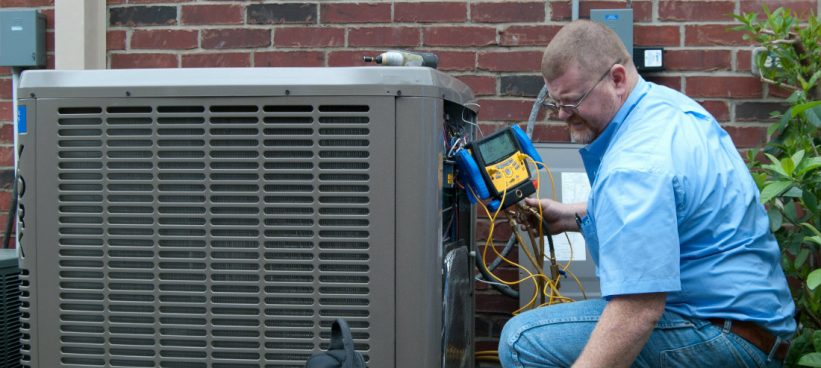
At Otto’s HVAC, we know that building a house is more than just putting up walls and installing systems—it’s about creating a home that will stand the test of time. Recently, we had the opportunity to collaborate with SewerTV Hydro Jetting and Plumbing, a top-notch plumbing company based in San Antonio, to tackle the intricate plumbing work on one of our residential projects.
And let me tell you, they didn’t just meet expectations—they exceeded them.
The Scope of the Project
This home was designed to be as functional as it is beautiful. For the plumbing, that meant installing an efficient, durable system that could handle everything from everyday household needs to potential future expansions. SewerTV Hydro Jetting and Plumbing took charge of running all the pipes for the house, ensuring that every connection was secure, every pipe was perfectly placed, and the system was ready to handle the demands of modern living.
Why SewerTV Stands Out
From the moment they arrived on site, their professionalism and expertise were apparent. They meticulously mapped out the plumbing system, collaborating with our team to ensure the pipes were laid in harmony with the HVAC system. Their attention to detail and clear communication made the entire process seamless.
Expert Installation: The SewerTV team ensured that every pipe was precisely aligned and securely connected. Their use of high-quality materials gave us confidence in the long-term durability of the system.
Problem-Solving Skills: In construction, unexpected challenges are inevitable. SewerTV was quick to identify and resolve any issues that arose, keeping the project on track.
Efficiency: Despite the complexity of the project, their team completed the work on schedule, demonstrating the efficiency that only comes with experience and dedication.
A Partnership to Celebrate
At Otto’s HVAC, we pride ourselves on partnering with companies that share our commitment to excellence. SewerTV Hydro Jetting and Plumbing proved to be exactly that kind of partner. Their work not only met the needs of the homeowner but also complemented the HVAC system we installed, creating a home that is efficient, reliable, and built to last.
Final Thoughts
If you’re in San Antonio and need plumbing work done—whether it’s for a new build, a renovation, or an emergency repair—I can’t recommend SewerTV Hydro Jetting and Plumbing highly enough. Their expertise, professionalism, and dedication to quality make them a standout in their field.
Here at Otto’s HVAC, we’re proud to have worked alongside such a stellar team and look forward to more collaborations in the future. Thank you, SewerTV, for helping us create another dream home in San Antonio!
Mowing the lawn and painting your home are easy ways to maintain your home and increase its value. In the same way, there are easy things you can do to take care of your air conditioning and heating equipment to keep it running when you need it most. And, as an additional benefit, it can reduce unexpected emergency calls and can lengthen the life of your HVAC equipment. A little preventive maintenance in the spring and fall goes a long way. Here are our top five tips to add to your home maintenance routine:
Change Your Filters
When was the last time you replaced the filters on your unit? Disposable filters keep your system clean and take out the large particles from your indoor air. Aim to change them every 1-3 months. If is allergy season or you have pets in your home, you may consider replacing your filters more often. We recommend picking a filter rated MERV 7-11. Anything more will reduce the airflow on your system which can put an unnecessary strain on your system and will negatively affect its efficiency, too. If you have an air purification system, follow the manufacturer’s instructions for servicing those filters, too. Often ductless systems require that filters be cleaned (See a helpful DIY.)
Clean Your Condensing Unit
Most air conditioners have an outdoor condensing unit/heat pump sitting outside with a fan on top to disperse heat in the summer. The metal fins on the condensing unit frequently get clogged up with dirt, pollen, and grime. Once each season, spray the outside of the unit with a water hose to clean it. Warning: Do not use a pressure washer because it will permanently damage your unit.
Visually Inspect and Create Clearance Around Your Outdoor Unit
Remove the build-up of leaves and overgrown vegetation so they do not interfere with the air flow of your outdoor unit. You can trim any bushes or trees also so your unit has plenty of clearance, about 2 feet, on all sides. Keep a close eye if you have bushes or trees that give off excessive pollen, such as Cottonwood trees in particular. They are notorious for clogging up condensing units.
Check Your Evaporator Coil’s Drainpipe and Drain pan
If you are unsure where your drain pipe is, have your service technician show you where to find it. Check your HVAC system’s drainpipe and clear any blockages of the algae/mold that sometimes builds up there. A wet-dry vacuum can suction out any plugged up areas, and bleach can help clean it too. A clogged drain line is one of the most common breakdowns we fix in Houston, Texas during the spring and summer. Often customers learn of it when water comes pouring through their ceiling unless a protective float switch or “ceiling saver” is installed which switches off the air conditioning to prevent damaging leaks.
Call in a Professional for Regular Maintenance
We recommend having a licensed professional come in and perform preventative maintenance twice a year, including flushing the coils, checking the drain pan and drainage system, vacuuming the blower compartments, looking at the voltage, checking refrigerant levels in the air conditioning unit, evaluating furnace operation, checking voltage on motors and loose wires. Spring is a good time to service air conditioning equipment and in the fall, we service heating equipment. With luck, we will catch any problems before they become a major inconvenience.
HVAC is a year-round necessity; these systems help us keep warm in the winter and cool during the summer. With continuous usage such as this, an air conditioner can be under plenty of strain, and it can eventually break down. To prevent this from happening, it is good to perform routine HVAC maintenance and catch a problem before it has occurred.
Moreover, apart from HVAC system repairs, completely replacing an air conditioner can result in even more costs. It is thus imperative to adopt the essential tips for preventing costly HVAC repairs. The sooner you realize that there is a problem, or the more checks you deploy to avoid a problem from occurring in the first place, the lower will be your HVAC maintenance costs.
An HVAC system is like a car – it needs proper care and maintenance to function correctly and extend its lifespan. A properly working HVAC system is one that will keep your home snug or cool for several years to come. But the pre-requisite for this longevity is HVAC maintenance, which is essential.
There are multiple benefits for keeping your HVAC system in top-notch condition:
1. Maintenance Can Lower Utility Bills
Reducing utility bills is one of the main reasons households should well maintain their HVAC units. An HVAC unit operating efficiently, plus a home that is correctly insulated, will result in less money spent on electricity, heating, and cooling costs. HVAC maintenance is also essential to prevent the need for major repairs or complete replacements.
2. Ensure Healthy Air With Maintenance
An adequately repaired HVAC unit will not only keep a home cozy or fresh, but it will limit problems with air quality. Cleaner filters and coils equate to better breathing for an entire household. Unmaintained HVAC units are a magnet for dirt, mold, bacteria, and many other pathogens, all causing or worsening respiratory problems for those living in the home.
The better you maintain your HVAC unit, the longer that unit will be able to perform. Considering the astronomical amounts people spend on installing HVAC units, it makes sense to want to keep that unit operating in tip-top shape for many years.
4. Improve Efficiency With HVAC Maintenance
It’s clear that a more efficient HVAC system will cost less to run. Dirty or unmaintained units require twenty percent more energy to generate the same cooling or heating level as a perfectly maintained AC unit.
5. Fewer Emergency Repairs
Sadly, it’s a fact that HVAC units will require emergency repairs from time to time. Well-maintained units are less likely to breakdown during months of sustained use, namely the summer months from June through September and the colder winter months from December to March. Keeping your AC unit up to date with regular inspections and maintenance will remove the worry that your HVAC will break down during the months you need it most and save you from HVAC maintenance costs in the future.
Costs of Replacing HVAC Units in the USA
Households who neglect to adhere to monthly HVAC maintenance will see a higher probability that the system will fail. In this case, you will need to replace the furnace, air conditioner, or heat pump.
If this happens, you will need to cough up anywhere between $8,000 to $15,000+ should you replace your damaged units. While this price can seem steep for many homeowners, the actual cost is dependent on:
The size of the units
The efficiency levels of the units
The features/technology you choose
The contractor chosen for the installation
Furnaces typically last much longer than AC units, meaning that if a household initially had these two units installed simultaneously and the AC is failing, likely, you don’t need to renew the furnace for another five or more years.
The best way to consider this is that the AC and furnace are like conjoined twins; they each have their separate compartments, yet both utilize the indoor units (blower motor).
Thus, if households spend additional funds on upgrading their existing AC yet leave the furnace and blower motor as they are, instantly, you are wasting money since the AC is really only half-upgraded and won’t work as efficiently as it’s originally designed to do.
The tip here is that if you are required to upgrade to an AC unit with a SEER rating over 16, it is best to update the furnace simultaneously.
Good to know:
SEER (Seasonal Energy Efficiency Rating) is a rating from 13 to 21+ that measures an AC unit’s efficiency. The higher the score, the more efficient an AC unit is at cooling your home and reducing your energy bills.
AFUE (Annual Fuel Utilization Efficiency) is a percentage ranging from 80% to 100% that measures a furnace’s efficiency. The increase in the percentage number equates to how efficient the furnace works and reduces your energy bills.
6 Must-Know Tips to Prevent Costly HVAC Repairs
With details on why HVAC preventative maintenance is essential and how it can affect your household, let us look at the six crucial steps you need to take regularly to ensure the proper functioning of your air conditioner.
1. Clean the Condenser or Heat Pump
Outdoor air conditioners and heat pumps can get notably dirty, causing the system to work harder to create the necessary cold and warm air you want in your home.
Cleaning condensers and heat pumps reduce the likelihood of damage to any internal components. Households must ensure that there is no debris on the top and sides of their outdoor air-conditioning pumps and units.
Use your garden hose on the fins, making sure that you get in-between the crevices to get all the gunk out.
Also, double-check that your unit is level. If lopsided, the refrigerants that are so important in helping your A/C work well, will be disjointed. Your condenser and compressor could be at an increased risk of breaking down as a result.
2. Check the Filter
One of the most apparent reasons for air conditioner repair is a dirty air filter. Changing the filter is one of the more straightforward ways of doing HVAC maintenance to improve the air conditioner’s efficiency, reduce energy costs of heating the home, and decrease the likelihood of needing repairs.
Check your filter monthly to ensure it isn’t dirty or clogged. If it is, it’s a good idea to give it a good wash and run air over it. As for changing the filter, about once every three months should suffice. If it looks dirtier than usual, then replace it at once, especially if your households have pets.
The AC filter can freeze if it is too dirty and then thaw, causing water damage.
If you have a reusable filter, clean it gently with a soft cloth. After that, add some mild soap and water.
If it’s not reusable, head to the store and buy a new one. If you or your family have allergies, it’s good to get a HEPA or hypoallergenic filter. These filters will help the most purify the air.
3. Regular or Annual Professional Check-Ups
A check-up comprises an on-site visit from an HVAC technician who will examine the HVAC system and ensure it operates at optimum performance. Depending on the technician involved, the inspection may include doing any of the following:
Ensuring the fan is working correctly
Cleaning the coils
Checking (or possibly changing) the air filter
Cleaning drain lines
Checking the refrigerant level
Checking for leaks in the heat exchanger
A check-up can be a one-time event or provided yearly as part of regularly scheduled maintenance.
A professional check-up only needs to be completed once a year and aids households to ensure that their HVAC does not break down when they need it most during the high summer and winter months.
Getting your HVAC serviced means that all the components will be cleaned and inspected, and working at their optimal best, preventing costly energy bills, not to mention expensive, unexpected repair bills.
4. Clean the Drain Lines
An air conditioner, along with cooling, also takes out the moisture from the air. This moisture then accumulates within the drain lines of the air conditioner and is directed outside. Over time, with the accumulation of dirt and dust, the drain lines can become clogged and even be a home for algae and mold.
It is thus a good idea to periodically clean the drain line. Take off the air conditioner’s outer cover and clean the drain line with a clean piece of cloth. Moreover, you can rinse it with a mixture of water and vinegar, removing any mold which might have formed.
5. Keeping the Outdoor Unit Clear
The outdoor unit is continuously exposed to weather and other environmental factors such as dirt and debris. Furthermore, growth and vegetation can cover the outdoor unit over time and prevent the exhaust air from being ejected effectively. Sometimes, the branches and leaves can even get inside the outdoor unit and interfere with the fan’s smooth functioning.
It makes sense to monitor the area around the outdoor unit, and observe any bushes or leaves that might need trimming. This is a DIY job, which does not take up a lot of time, but can save you significant expenses later on.
6. Get a Smart AC Controller
By making your HVAC system smart, you can access additional features that can help with preventive maintenance. For instance, smart air conditioners or smart AC controllers allow you to monitor your usage history and receive alerts every time your AC may need a filter status cleaning.
Some thermostats can even detect when your AC is not performing optimally or if there is an issue with indoor air quality. These are significant signs of a defective HVAC system.
With other modes such as scheduling or geofencing, you can activate your HVAC systems depending on your set-time or location. This ensures your HVAC system performs efficiently, does not run unnecessarily, nor wastes energy.
Final Thoughts on Preventing HVAC Maintenance Costs
For many obvious reasons, HVAC preventative maintenance is essential. Scheduling routine examinations and following through on correcting minor problems will ensure you enjoy the luxury of a system without the concern of it failing. A well-maintained unit will have less severe problems, meaning less hassle and unnecessary costs.
Don’t wait until winter storms or sweaty summers hit to ensure that your home HVAC system is in good working order. A little effort now will prevent a significant hassle amid a mid-January snowstorm or a Fourth of July sweltering day. Moreover, with HVAC maintenance costs going through the roof, it is best to avoid them.
To lessen the burden and guarantee everything is adequately maintained, consider hiring skilled technicians to handle your HVAC inspection and maintenance. Furthermore, consider backing this up with regular cleaning and smart devices to reduce the burden on your system and save thousands of dollars in the process.
1085 sq ft projection and lens test room with Chrosziel Large Format Projectors
New Trioptic Lens Tester
45 truckloads of equipment brought from the former place on Vine St.
This is Otto’s third location. I remember the first storefront at 7531 Sunset Boulevard. Then they move to 870 Vine Street around 1983 with 8 employees.
Otto Nemenz at ONI on Vine Street around 1984.
And now this magnificent facility in Culver City:
Lounge Area and Kitchen at ONI in Culver City.
Otto said, “We certainly didn’t plan it this way, but the place is enormous and we’re lucky to have the latest HVAC system with advanced air filtration. The place is so large that social distancing comes naturally. The prep bays have 23-foot high ceilings. Crews can check out for jobs and remain safe.”
Fritz Heinzle added, “Union and safety committees visited and approved of what they saw. The halls are 12-feet wide. Equipment is returned to the loading dock where it is checked in and sanitized. The vault is fireproof. Prep technicians work with customers in the big, open plan area. Customers sign in, have their temperature checked, receive masks and gloves. We are open for business and are already prepping jobs.”
Prep Floor with 23′ high ceiling
Prep Area in Feature Room with 12′ ceiling.
Instead of fixed camera pedestals and moving lens charts on rails that hang from the ceiling, Otto Nemenz and crew embedded tracks into the floor on which the camera can move. They installed P.A.T. (Pret à Tourner) Focus Charts from MYT Works in New York. The charts have magnetic backings that attach and move on the perfectly perpendicular walls.
“Having the camera move on tracks frees up a lot of space,” Otto explained.
Trioptic ImageMaster Cine Flex and Chrosziel Projector in the Lens Room
The massive Trioptic ImageMaster Cine Flex is similar to the ones installed at ARRI, Signature Prime manufacturing and QC, ARRI Rental, and elsewhere. Essentially, it’s three motorized telescopes that pivot on the center and off-axis along with a “wheel of fortune” to test, align and check lenses, including MTF values. The data is stored in its computer. So, if you change air gaps or mess with elements, the Trioptic tester will let a technician return the lens back to the default factory settings. It also checks for loose elements and anything else conspiring inside, both before and after a job.
The Chrosziel TP7 is the latest Large Format, LED illuminated, 60mm Image Circle Projectors.
The lens test room is 50 feet long, so you can check out far distances as well.
Otto summed it up, “This move has been in the works for a long time. We were running out of space in the Vine Street place. We would love to have you come to visit us. Thanks to all the cinematographers, assistants, crews, directors, and producers for all their years of support. We look forward to working together for many years to come.