Ottos HVAC Blog Top 5 Tips for Maintaining Your HVAC System

Top 5 Tips for Maintaining Your HVAC System

Mowing the lawn and painting your home are easy ways to maintain your home and increase its value. In the same way, there are easy things you can do to take care of your air conditioning and heating equipment to keep it running when you need it most. And, as an additional benefit, it can reduce unexpected emergency calls and can lengthen the life of your HVAC equipment. A little preventive maintenance in the spring and fall goes a long way. Here are our top five tips to add to your home maintenance routine:

Change Your Filters

When was the last time you replaced the filters on your unit? Disposable filters keep your system clean and take out the large particles from your indoor air. Aim to change them every 1-3 months. If is allergy season or you have pets in your home, you may consider replacing your filters more often. We recommend picking a filter rated MERV 7-11. Anything more will reduce the airflow on your system which can put an unnecessary strain on your system and will negatively affect its efficiency, too. If you have an air purification system, follow the manufacturer’s instructions for servicing those filters, too. Often ductless systems require that filters be cleaned (See a helpful DIY.)

Clean Your Condensing Unit

Most air conditioners have an outdoor condensing unit/heat pump sitting outside with a fan on top to disperse heat in the summer. The metal fins on the condensing unit frequently get clogged up with dirt, pollen, and grime. Once each season, spray the outside of the unit with a water hose to clean it. Warning: Do not use a pressure washer because it will permanently damage your unit.

Visually Inspect and Create Clearance Around Your Outdoor Unit

Remove the build-up of leaves and overgrown vegetation so they do not interfere with the air flow of your outdoor unit. You can trim any bushes or trees also so your unit has plenty of clearance, about 2 feet, on all sides. Keep a close eye if you have bushes or trees that give off excessive pollen, such as Cottonwood trees in particular. They are notorious for clogging up condensing units.

Check Your Evaporator Coil’s Drainpipe and Drain pan

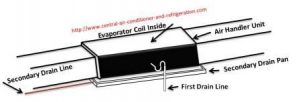
If you are unsure where your drain pipe is, have your service technician show you where to find it. Check your HVAC system’s drainpipe and clear any blockages of the algae/mold that sometimes builds up there. A wet-dry vacuum can suction out any plugged up areas, and bleach can help clean it too. A clogged drain line is one of the most common breakdowns we fix in Houston, Texas during the spring and summer. Often customers learn of it when water comes pouring through their ceiling unless a protective float switch or “ceiling saver” is installed which switches off the air conditioning to prevent damaging leaks.

Call in a Professional for Regular Maintenance

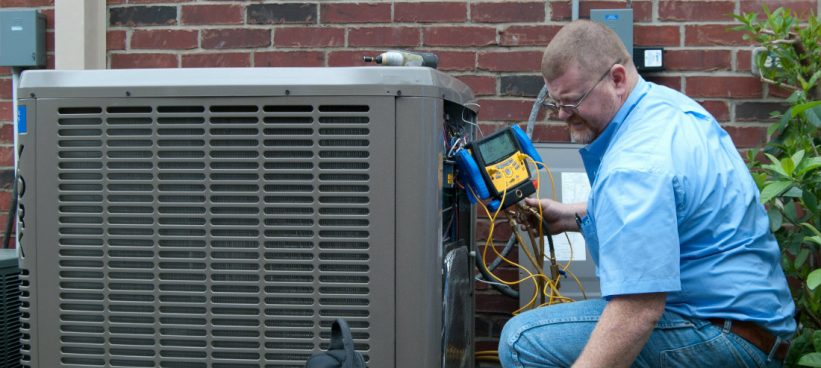
We recommend having a licensed professional come in and perform preventative maintenance twice a year, including flushing the coils, checking the drain pan and drainage system, vacuuming the blower compartments, looking at the voltage, checking refrigerant levels in the air conditioning unit, evaluating furnace operation, checking voltage on motors and loose wires. Spring is a good time to service air conditioning equipment and in the fall, we service heating equipment. With luck, we will catch any problems before they become a major inconvenience.

Need an HVAC Partner?

Contact the experts at Ottos Hvac to take care of your repair and maintenance needs for any make or model of air conditioning or heating system in residential and light commercial settings.

Related Post

Benefits of Hiring a Professional HVAC ContractorBenefits of Hiring a Professional HVAC Contractor

Why Hire Expert HVAC Company

Hiring a skilled HVAC contractor has several advantages, whether you need a newly designed heating and cooling system or repairs and maintenance on your current one. Professionals have the knowledge and skills to ensure the property is safe and your system is working properly no matter what. They can repair, install, and maintain any HVAC unit that you have. That’s why, if you have problems with your air conditioner, make sure to contact the experts.

Here are the benefits that you might enjoy if you do so:

Complete the Task Properly

Professional HVAC technicians have years of expertise and are well-versed in the HVAC system’s ins and outs. They are capable of resolving any issue, no matter how complex. It’s because they are well-trained and equipped. Their experience and training can assist them in detecting other difficulties that you were unaware of, and they will work quickly to resolve them. An HVAC contractor can quickly install your system and inspect it thoroughly.

Increase System Longevity

Scheduling an HVAC repair now and then because your air conditioner isn’t operating is both costly and time-consuming. And the regular damages are a sign that your HVAC system isn’t going to last as long as it should. There would be no need for regular maintenance with a proper HVAC installation. Once your air conditioner is installed, you only have to arrange seasonal tune-ups and maintenance services. And it will last a long time.

Safe and Effective Service

Touching some electrical parts, fan blades, and other sharp metallic things are required when servicing your air conditioner. If you don’t have the proper training to perform this repair, you risk electrocution or cutting yourself. Worse, you could set fire to your home. An HVAC contractor is equipped and taught with safety precautions to prevent injuries. They also know which sections of your air conditioning system require special care.

Controlling Mold in Your Commercial Property With Your HVAC SystemControlling Mold in Your Commercial Property With Your HVAC System

Mold growth is an all-too-familiar problem for commercial property managers. When overlooked, it can cause discomfort and irritation for the building’s occupants while also compromising indoor air quality. To better control mold in your property–and prevent its development–you’ll need to take a closer look at your HVAC system. A trusted provider of quality central air conditioning, All Weather Heating & Air Conditioning, shares the essentials you need to know here.

office space with AC on ceiling

Why You Should Keep Tabs on Your Commercial HVAC System

The fact is, mold doesn’t just appear out of nowhere–it generally forms under specific conditions. Mold requires water, a food source and the right temperature range. The food source is negligible–your commercial property is chock-full of them, ranging from drywall and carpeting to paper, wood and furnishings. The water comes from the excess moisture caused by relative temperatures that encourage mold development–and these are elements where the HVAC system is involved.

Your HVAC system can have a significant effect on the indoor moisture level of your commercial property. If the system isn’t well-designed or has performance issues, not only will it generate moisture that promotes mold growth, it will also give mold spores a handy mode of transportation throughout the building via the ducts. For this reason, make sure to pay attention to your heating and air conditioning system and take measures that allow it to effectively control mold development. These may include:

  • Checking the coils and drain pans. The coils dehumidify the air and cause condensate water to drip into the drain pan. When water doesn’t drain properly via the deep seal trap in the pan, however, it builds up and encourages mold to grow. Make sure the drain pan is properly cleaned and sloped to prevent this.

  • Using ventilation and dehumidification equipment. This helps get rid of excess indoor moisture in your commercial property and eliminate the potential for mold growth. All Weather Heating & Air Conditioning offers a wide range of ventilators and dehumidifiers from top manufacturer Bryant® to meet your needs.

  • Investing in regular HVAC inspections and tune-ups. Some components of your HVAC system can become wet or develop issues that lead to mold growth. These include outdoor air dampers, ducts and air filters. You’ll be able to catch these problems early on–and deal with them as necessary–by turning to All Weather Heating & Air Conditioning for regular inspections and tune-ups.

5 Benefits of Good Ventilation5 Benefits of Good Ventilation

Good ventilation may not seem all that important at first glance. When you get down to the heart and soul of it, though, the many benefits good ventilation has to offer, like the five listed below, should make it a priority in your home.

1) Improve Indoor Air Quality
The EPA suggests that indoor air quality in most homes is worse than the quality of the air outside. Unless measures are taken to improve ventilation, like installing a whole house fan, garage exhaust fan and attic fan, you may find yourself struggling with immediate health problems related to poor indoor air quality like irritation of the eyes, nose, and throat, headaches, fatigue, and dizziness, or long-term effects that include cancer, respiratory disease, and even heart disease.

2) Reduce Moisture
Good ventilation helps to draw moist air out of your home, releasing it outside. Moisture is introduced into the air in your home whenever you prepare meals, shower, wash dishes, or do laundry. Without adequate ventilation that moisture has no escape and becomes trapped in your home to generate mold and mildew problems that compromise the structure and beauty of your home in addition to the health of your family.

3) Temperature Control
Believe it or not, ventilation, properly venting stifling air out of your home, can go a long way toward keeping your home comfortable inside when the world heats up outside. Whole house fans, such as the QuietCool QC CL-3100 Whole House Fan, and attic fans, like the QuietCool Smart Attic Gable Fan, are excellent tools to assist with this as they help to remove the hot air from your home allowing cooler air to circulate better within your home.

4) Protect Respiratory Health
Toxins, allergens, bacteria, and moisture in the air in your home can lead to a wealth of unpleasant allergy symptoms, respiratory illnesses, and even asthma attacks. Good ventilation allows these things to escape your home, clearing the air inside so your family can breathe easier.

5) Improves the Smell of Your Home
There’s nothing quite like fresh air to make a room, or a home, smell clean. Good ventilation can help to remove many of the more unpleasant odors in your home, such as mold, mildew, tobacco smoke, cooking odors, and even pet smells.

The five benefits above are a small sample of the good that adequate ventilation can provide for your home. The key for improving indoor air quality and making your home a healthier place for your family and friends is to keep adequate ventilation in your home a priority.